• anna j. clutterbuck-cook
  • contact
  • curriculum vitae
  • find me elsewhere
  • marilyn ross memorial book prize

the feminist librarian

the feminist librarian

Author Archives: Anna Clutterbuck-Cook

on chatham beach [honeymoon, installment four]

24 Saturday Nov 2012

Posted by Anna Clutterbuck-Cook in our family

≈ 2 Comments

Tags

cape cod, outdoors, photos, travel, wedding

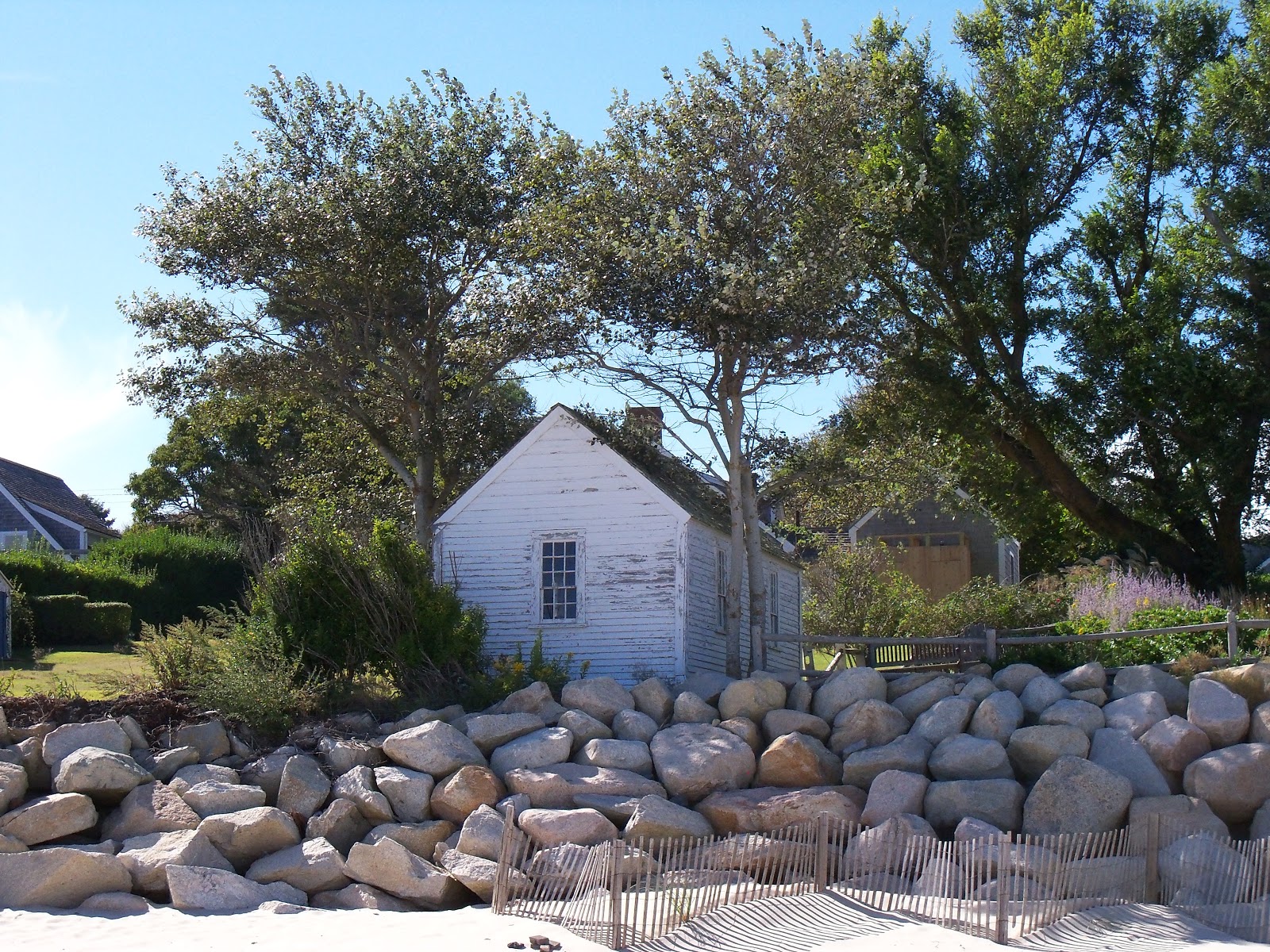
On Thursday of our honeymoon week, we were going to stay in — but the weather was so beautiful that we ended up driving about half an hour to the seaside town of Chatham, southwest of the cottage where we were staying. From the center of town we walked out to the public beach.

The tide was coming in and the waves were beautiful.

I would love, someday, to be able to live within hearing distance of the surf.

It’s perhaps a mark of too much exposure to bohemian literature that the fantasy of living out our retirement as a couple of dykes (and a bevy of cats) on a wind-swept coast would be a fine thing.

Or perhaps it’s just the Michigander in me.

Stay tuned for our one-week anniversary trip to Provincetown!

giving thanks today for …

22 Thursday Nov 2012

Posted by Anna Clutterbuck-Cook in think pieces

≈ 1 Comment

Tags

family, friends, holidays

  • My wife, Hanna.
  • Our cats, Geraldine and Teazle.
  • Our families and friends.
  • The internet that lets us all stay connected.
  • Work I enjoy and
  • Colleagues I am proud to work with.
  • Robust health insurance and
  • Obamacare (babysteps everyone, babysteps!).
  • Writing and reading fan fiction,
  • My fellow writers at #firstthedraft,
  • And the people who encourage me to continue my history work outside of academe.
  • Starting to feel that Boston is home.
  • Bootstrap compost,
  • Maple syrup pie, 
  • Kona coffee from the Drowsy Parrot, 
  • And Stillman’s Farm summer and winter CSA.

wellfleet [honeymoon, installment three]

19 Monday Nov 2012

Posted by Anna Clutterbuck-Cook in our family

≈ 1 Comment

Tags

cape cod, photos, travel, wedding

After spending Sunday, Monday, and Tuesday in the lower Cape, we decided to explore the upper Cape the latter half of our week. We started in Wellfleet, which promised us a bookshop to browse in and beaches to stroll on.

It’s surprisingly difficult to get to the shore from here in Boston, particularly since we don’t own a car. So it was a treat to walk on some actual sand again (something I used to do almost weekly back in Michigan).

I basically wanted to relocate to every cottage we passed on the Cape, particularly the weather beaten ones.

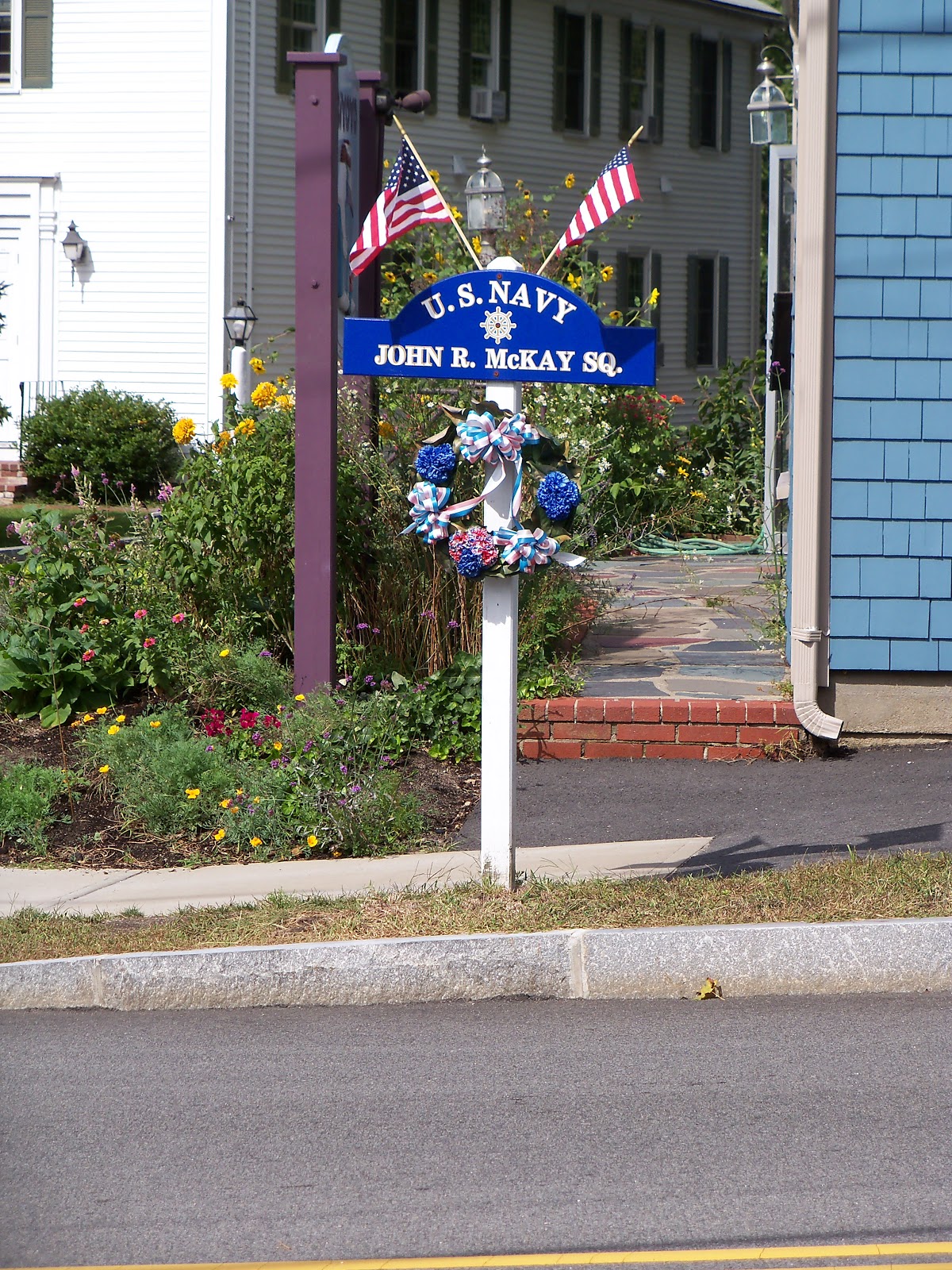
Walking along the boardwalk at the marina, we were tickled to see this boat (named in reference to the X-Files perhaps?). And along the main street in town we saw this plaque, which made us wonder whether John and Rodney had decided to relocate from Nantucket.

Along the main drag, we also saw this beautiful church doorway.

On our way back from Wellfleet, we stopped at Kemp Pottery, and found this inexplicable series of tiles:

One of the potters was at work in the studio working on a series of amphoras to be given as awards for a local sports hall of fame. Here, you can see runners and bikers on the unfinished pieces (yes, the figures have tiny dicks):

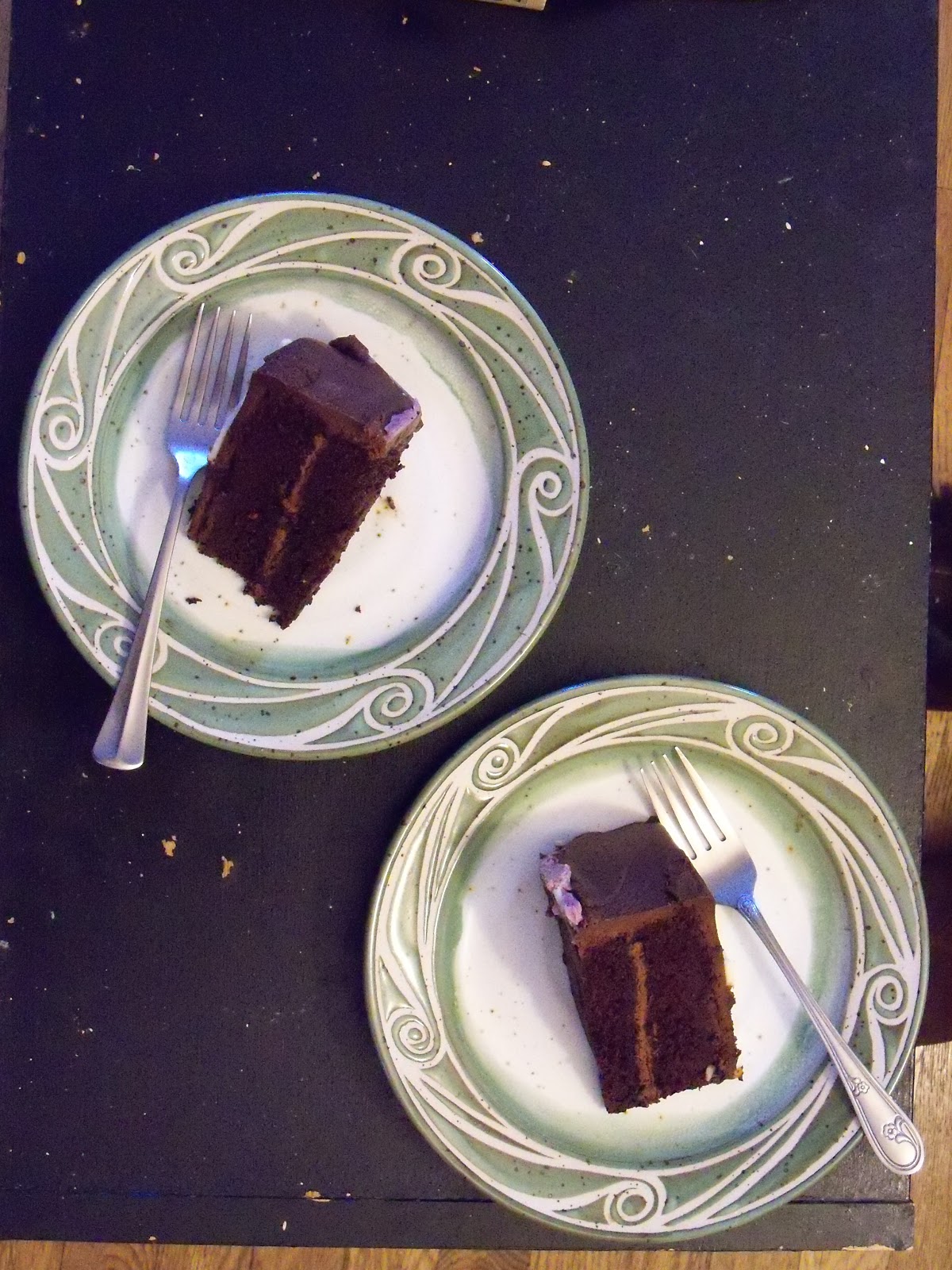
We ended up splurging a little on two plates — not the official wedding plates Kemp Pottery makes, but which we think of as our wedding plates all the same.

When we got home after our honeymoon, we had our last two pieces of wedding cake (delicious chocolate cake given to us by my colleagues at the MHS) on our new wedding plates.

Up next … another afternoon of beach walking in Chatham …

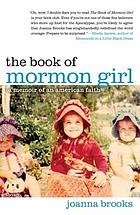
booknotes: book of mormon girl

17 Saturday Nov 2012

Posted by Anna Clutterbuck-Cook in book reviews

≈ Leave a comment

Tags

feminism, gender and sexuality, memoir, politics, religion

I rarely have the time these days to invest in comment threads on blogs, though I skim hundreds of RSS-scraped posts every day via Google Reader. Yet over the past few months, I’ve spent quite a bit of time over at the Family Scholars blog, engaging with socially conservative bloggers and commenters about issues such marriage equality and queer family formation.

I actually find the practice almost … soothing.

Hanna, meanwhile, is mystified about my motivations, since just having me describe some of the interactions I have there ramps up her anxiety and stress levels to uncomfortable proportions. And I find I don’t have very articulate reasons for why I find arguing with the opposition — bearing witness, speaking up for my point of view — to be an almost meditative practice.

Except that, growing up and going to college where I did, it’s what I’ve had to do by default most of my life. So it’s what feels comfortable, feels familiar: standing on the edges knocking politely on the door to remind those on the inside (of the mainstream culture, church, school, whatever) that I’m still here.

I don’t necessarily want to be let in? It’s a nice world, in many ways, where I am out here. I’ve always been a fan of fresh air and expansive horizons.

But I don’t want them to forget that I’m out here.

Another aspect of my insistence on being a complicating presence came home to me while I was reading Joanna Brooks’ Book of Mormon Girl (Free Press, 2012) this past week. It had been on my radar for awhile, but what prompted me to read it was an email from a friend of mine, a former member of the LDS church, who has walked away from the faith in his adulthood for a variety of reasons not the least of which is the fact that he’s gay and the Mormon church is not all that cool — at least at an institutional level — with queerness. He’d found the book a disorienting read, he reported to me, because while he’s quit the church entirely Brooks continues to struggle mightily with her inherited faith and childhood experience, and the betrayal of the community she once felt safe within when she stepped outside the bounds of orthodoxy (as an outspoken Mormon feminist, queer ally married to a Jewish man). Why did she continue to fight to belong in a church that clearly pushed her away, hard, with both hands?

It’s a stubbornness I recognize, though I wasn’t actually raised in the church (Mormon or otherwise). The faith of my heritage was loosely Protestant, my father the son of a New Testament theologian, my mother the mostly unchurched daughter of a Christian Scientist and disbelieving Scotch Presbyterian. In my adolescence, we attended a liberal Dutch protestant church (a denomination in the Reformed Church in America) for a handful of years where I argued passionately with Conservative youth leaders from my position as a nascent feminist and tried to envision the Church as a pathway to effectively channel my welling passion for social justice.

Then I went to college and discovered feminist theology which offered (though I didn’t have these words at the time) a way of thought and action that was both intersectional and spiritual: a faith of uncompromising social justice, nonviolent action, solidarity, and equality: each and every one of us is a child of God. Full worthy to be loved and capable of loving.

It’s a theology that I, unchurched though I am, continue to strive for in the spiritual practice of daily living.

And it felt like a theology that many religious folk around me were uninterested in pursuing.

I’ve said before, and I’ll repeat it here, that I found my Christianity and left the church in more or less the same breath.

I saw what Christianity could be and is, at its best and brightest, and in my adolescent impatience had no time for those preoccupied with orthodoxy at the expense of lovingkindness. Lacking the deep roots of religious history, community, family, and faith that ties women like Joanna Brooks to the church — and I know many of them, ardent feminist thinkers, queers, social justice workers, all fighting past the burnout to build a Church I would be proud to call mine — I up and quit and walked away.

But in part because of the women (and I know there are men, too, but it’s the women I think of in these moments, the ones who stand up and refuse not to be counted) I keep circling back. I keep tapping on the door, poking my head in, and reminding folks that my life, too, is relevant to the conversation: You’re talking about the welfare state? I might be financially secure right now, but I’ve had state-subsidized healthcare. You’re talking about male headship? Let me talk to you about sex, gender, and humanity. You’re talking about same-sex marriage? Let me introduce you to my wife, our two cats, and quotidian details of our lives.You’re talking about war? Let’s talk about the history of religious nonviolence.

My mother has always said that she won’t join any church that constructs an “us” from which a “them” is excluded, kept at arms length, on the outside. Which is why, to this day, she remains unbaptized (and why none of us children were baptized), and certainly informs my own decision not to seek church membership.

But I keep tapping at the door. I keep having the conversations. I want to bear witness (imperfect, broken, human, though I am) to the fact that we could do better and that I know there are those working mightily within the Church, as well as without, to make it so.

Hmm. The plan was to write a book review, but clearly I had other things to say. Still: Book of Mormon Girl is sweet, funny, heartbreaking, thoughtful, and passionate. As a queer American I found the chapter on Proposition 8 particularly painful to read; as a woman who came of age about 5-10 years after Brooks, I found her chapter on feminism and faith, and the trauma of the LDS purges in the 90s (when the hierarchy excommunicated a number of liberal intellectuals and activists, and declared feminists, gays, and lesbians the “enemy”) to be particularly resonant. As an historian with an interest in the personal journeys of those who grow up in fundamentalist, evangelical circles, Brooks’ narrative was of scholarly interest to me as well. I highly recommend it to anyone who wants to think more deeply about what it means to be a politically and socially progressive person in the context of a reactionary religion.

thoughts on traveling while gay-married

13 Tuesday Nov 2012

Posted by Anna Clutterbuck-Cook in our family

≈ 3 Comments

Tags

gender and sexuality, politics, travel, wedding

Hanna and I were in Montreal this weekend, at the North American Conference on British Studies. Well, Hanna was at the conference and I went along as the spouse. I spent the hours Hanna was in session writing an epic piece of fan fiction I’m working on (yes, this is what I do on vacation) and the hours she was free we spent wandering around the city. I’d never been to Montreal, and do hope to return there at some point when we have more free time (and more hours of daylight!).

Cathedral-Marie-Reine-du-Monde (via)

But what I actually want to write about today is less our visit to Montreal and more the fact that taking this international trip together so soon after the election, with marriage equality and gay rights all over the news, made me acutely aware of the fact that our marriage is still second-class when it comes to legal recognition. We’re married in the state of Massachusetts, and treated as such within its borders (for example, when I picked up the rental car at the Enterprise office they told me kindly I no longer needed to present Hanna’s license in order to add her as an authorized driver; spouses are automatically covered). But it’s actually just good luck that driving through Massachusetts, Vermont, and into Quebec, that we remained, for our entire trip, on soil where our marriage is valid.

Post-election marriage equality map;
click through to Sociological Images for high-res version

While this wasn’t of immediate material concern to us, crossing the U.S. – Canadian border, the U.S. border patrol considers us two individual unrelated citizens, rather than a family unit.

When we drove up to Maine for our post-wedding brunch with Hanna’s parents in October, our marriage ceased to be recognized by the jurisdiction we were in for the duration of our stay; thanks to Maine voters this will not be the case when we go up for our annual Christmas visit. When we fly to Oregon to visit my brother and sister-in-law next year, we’ll be in a state where we’d only have the option of a civil union; the next time we visit my home state of Michigan, where there’s a Defense of Marriage Act in place, I’ll be in a geo-political location where people have actively rejected my status as a married person.
This actually matters to me way more than I thought it would, the way the legal status of my marriage is so permeable. Obviously, the promises that Hanna and I have made to one another do not cease at the state or national border. And as more and more queer folk marry same-sex partners, our relationships will gain cultural legibility even in places where DOMA laws are still on the books, or gay marriage isn’t technically legal. I imagine that when I introduce Hanna as my wife when we’re in California next fall for a friend’s wedding our status as a married couple will be taken as read.
But looking at this map, as a gay-married person, I suddenly realize that until the legal-political landscape for marriage rights change, Hanna and I are basically limited to living in eight states in our fifty-state union (or moving abroad). 
While we have no plans to leave Massachusetts before the decade is out, it’s still a sobering realization, and one that I didn’t feel the full import of back before we’d tied the knot. It’s one thing to live in a state with a gay marriage ban or civil unions when you’re just considering getting married. You weigh your options, maybe decide to travel somewhere like Vermont or Iowa or (now) Washington and make it legal, throw a party, configure yourself and your wife as rebellious upstarts, the advance guard of the gay-married revolution. 
(At least, I could totally see myself getting a kick out of that, had we met and decided to live in, say, Ann Arbor, Michigan.) 
But now, as an already-married lesbian it feels way more hostile to walk into spaces where there are folks actively choosing not to recognize and honor my relationship choices and commitments. Instead of those people saying, “No, you can’t, we won’t let you,” it feels like they’re saying “You have, but we don’t care.“
And I think that feels worse because it feels like even when you do things by the book it doesn’t matter, you’ll get dismissed anyway. I know this isn’t true, rationally. That state-by-state recognition is a powerful symbolic and material gain, as is every single individual instance of person-to-person recognition (from our parents to the woman at Enterprise who rented me the car), as is the sea-change of public opinion which we appear to be witnessing. But in the moment, there’s a part of me that finds it really, really scary to acknowledge that regardless of all intimate personal commitments and acts, we are at the end of the day beholden to the government and to the opinions of our fellow citizens for equal recognition, and if they were to decide we weren’t married, they have the power to (legally) erase our formal entanglements and there’s nothing we could do about it.
Which is why I feel newfound gratitude toward all of the folks who have made this their issue du jour as organizers. It’s only one small corner of the queer rights universe, but just because it’s gone “mainstream” doesn’t mean it’s ceased to matter.

please exercise your right to vote

06 Tuesday Nov 2012

Posted by Anna Clutterbuck-Cook in think pieces

≈ 1 Comment

Tags

being the change, boston, feminism, politics

Ohio, 1912 (via)

Hanna and I went up to our local polling station around 7:15am this morning to cast our ballots. The lines were long, but moving quickly and we were in and out of the school cafeteria in about 30 minutes. Everyone was polite and efficient, and for some reason the signs offering translation services (Vietnamese, Russian, Spanish, and more) made me tear up. As brokenly human as our election process is, I’m grateful to have been born in a generation where my right to participate is taken for granted, rather than something I need to fight for. Queer folks who are same-sex marriage supporters have to experience their civil rights up for a vote, and often see those rights rejected by their fellow citizens … but at least we get to cast a vote for our own equal rights. Women during the suffrage campaigns could only batter on the door in righteous anger (or speak words of forceful persuasion) in a long, slow struggle to be let in. I am grateful that so many of them did.

Please vote today. Even if you’re voting for the other guy I sincerely want you to make your preference known. I know there are flaws in the system, and I have friends who are cynical about the process and abstain on principal – and I understand their reasons and respect that it’s their right to do so. But I’m going to encourage you to make your voice heard in a different way today: by making an affirmative decision about which direction you would like our nation — and each state within it — to move. If you don’t cast a ballot in the first place, if there are disputes over voter fraud or recounts there won’t be a ballot from you to re-count.

(via)

Regular readers of this blog will be unsurprised to know I voted a Democratic ticket. At four this morning, when the cats woke me up to demand breakfast, I lay in the dark and enumerated the reasons why — given the two-party system — Democratic candidates are really the only option for leftist me:

1. The social safety net. Welfare and “entitlements” may have become dirty words in contemporary American politics, but my vision for what government is good for actually starts (and largely ends) with provision of basic care for its citizenry, particularly the most vulnerable. I have friends currently surviving in part thanks to government support — food stamps, WIC, unemployment insurance, government-subsidized student loans, social security benefits. Both Hanna and I have benefited from state-subsidized health care and federal student loan programs (say what you will about the cost of higher education, federal loans made our advanced degrees and subsequent financial stability possible at a relatively sustainable price). In our elder years, we will hopefully benefit from whatever iteration of social security is available. As global climate change becomes a reality, disaster relief will be the difference between utter devastation and recovery and resilience for more and more of us. My ethics demand that I support a government that will continue to provide these to the best of its ability, and actively work to bring material security to us when we need it most.

2. Reproductive justice and bodily autonomy. I’m a person with female anatomy; my body these days is the subject of intense debate and scrutiny in the political realm, particularly due to its capacity to sustain a pregnancy. Despite the fact that I do not plan to procreate, I am still deeply affected by a world which sees persons with uteri as individuals whose bodily autonomy is not secure and subject to the political agendas of others. Self-interest demands, therefore, that I vote for politicians who — at least at the party level — recognize my humanity as a complex reality, not just something that exists in the absence of others’ trumping interests.

3. Civil rights and social justice for queer folk. Democratic politicians are not consistently supportive of equal civil rights for queer folks — and not all Republicans are anti-gay. But taken in aggregate, the Democratic party is the only viable political party that is actually making moves toward supporting my rights as a citizen with same-sex desires to not be discriminated against in law because of those desires.

Here in Massachusetts we also had the opportunity to vote on legalization of medical marijuana and physician-assisted suicide. I voted in favor of both. I have known enough people facing difficult end-of-life decisions, including my late grandfather who died in 2007 of aggressive lung cancer, to know that we should all have the right to choose when and how to die, when the opportunity to choose is available to us. Although my grandfather’s condition deteriorated too rapidly for him to reach the point where assisted suicide was actively on the table, he had that conversation with my family and the hospice care folks who helped our family through the process of his death. And when it comes to marijuana, I don’t actually think it should be criminalized at all but will take what I can get in terms of de-criminalization. Hopefully, as medical use becomes more widespread and aboveground the stigma against responsible use will lessen and regulation will move out of the criminal justice system and perhaps into the public health realm.

This is what same-sex marriage looks like

Same-sex marriage is on the ballot in four states today: Maine, Maryland, Minnesota and Washington. E.J. Graff has been writing about the history and prospect of each measure over at The American Prospect, and I encourage you to check out her thoughtful state-by-state analysis. I know two families in Minnesota whose wee ones (ages four and six) are passionately supportive of the same-sex marriage campaigns and I’ll be thinking of them today. I want them both to know – Noah and Lilly I’m talking to you! — that regardless of the political outcome, they’re growing into fine people who are being the change we want in the world. Even if our guys don’t win this time around, that you care about fairness and kindness matters and will still make a difference, now and every day we move forward together.

falmouth and woods hole [honeymoon, installment two]

04 Sunday Nov 2012

Posted by Anna Clutterbuck-Cook in our family

≈ Leave a comment

Tags

cape cod, photos, travel, wedding

On our honeymoon, Hanna and I had a whole week on Cape Cod to explore. A native Michigander, I had never been out to the Cape at all and Hanna had only been once, years ago, and then only to Provincetown (more on there later). We didn’t make any hard-and-fast plans about our week of activities, and instead set out to explore.

On Monday we drove back up the Cape to Falmouth and began our day with breakfast at Pop Kitchen, which served up eggs benedict and omelettes and bottomless coffee.

Hanna & her coffee (used with permission)

The decor was bright and the food tasty; the only thing to mar the meal was the jerk the next table over on vacation from North Carolina who harassed his waitress and wouldn’t stop gabbing on the phone about how much everything sucked. Proof, I suppose of what we already know: rude people exist pretty much everywhere.

After breakfast, we walked out to Wood’s Hole, where the ferries leave for Nantucket and Martha’s Vineyard. It was a beautiful eight-mile round trip walk along the Shining Sea Bikeway.

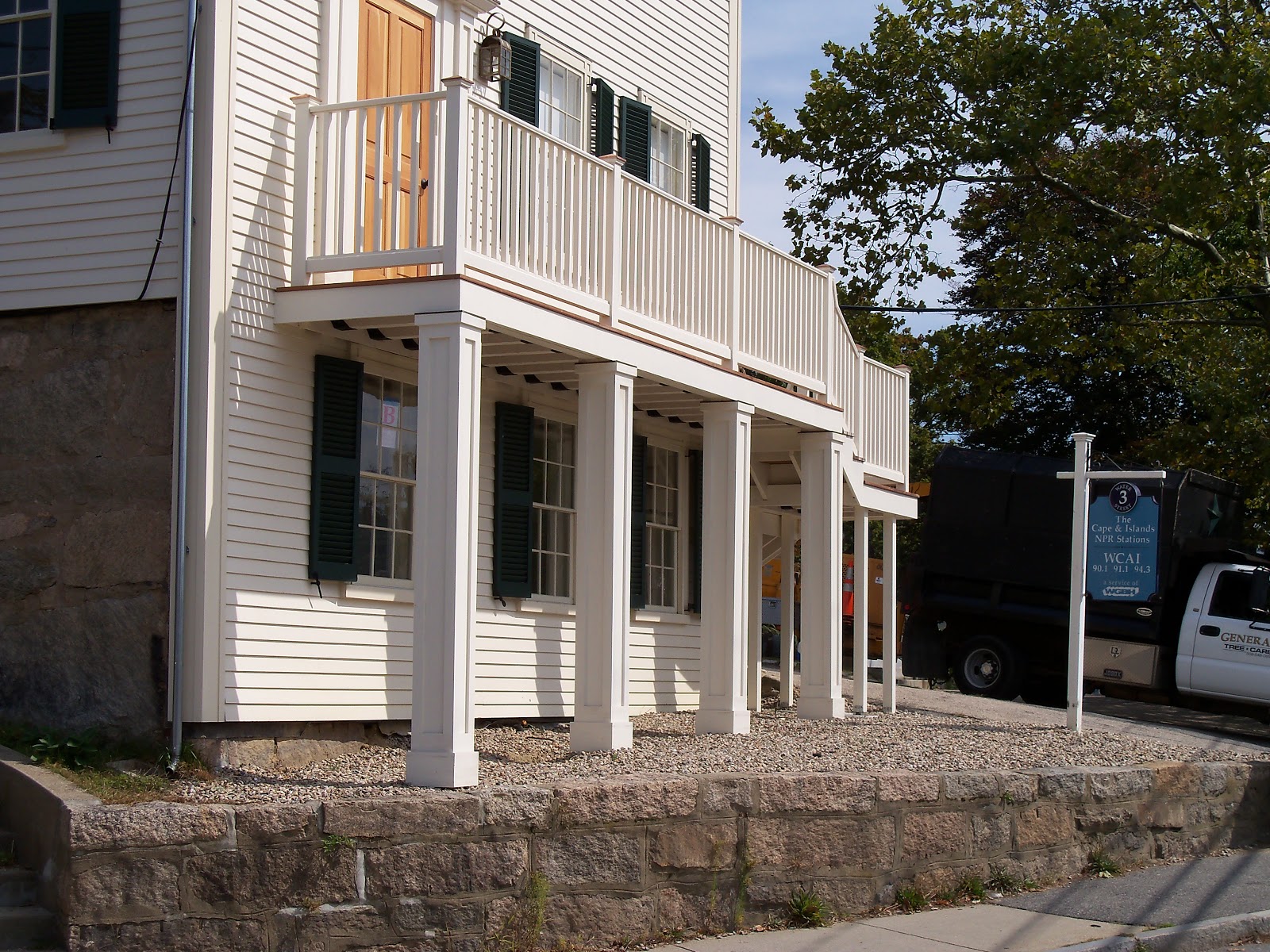
One of the first buildings we came to in Wood’s Hole was the local NPR affiliate, WCAI, operating out of this home-like building. Between that and the tasty coffee shops, we felt quite at home!

When we got back to Falmouth we went in search of a salon that would do gel manicures — something Hanna had requested as a treat during our vacation.

The salon we found, Bellezza, didn’t have two back-to-back appointments until the following day (which was also forecast to be rainy) so we returned on Tuesday for ice cream and some pampering.

I had never had a manicure before and it was a very odd experience, but the woman who did our nails was very chatty and a fellow cat person, so we mostly talked about the inexplicable activities of our respective feline companions.

The gel manicures were awesome (speaking as someone who always nicks my polish) though expensive; I can’t imagine people who have enough money to make this a regular thing. But it was still fun to have bright color for a couple of weeks.

When we got back to Eastham in the late afternoon, the rose bush on the south side of the cottage had decided to greet us with a few autumn blooms.

Up next: Wellfleet, then Provincetown!

And yes, I do have a few posts of substance rattling around in the back of my mind — one on work, class, financial (in)security, and responsibility, particularly, but I’ve been trying to write it since I was promoted in August and it still hasn’t sorted itself out. So you’re getting pretty pictures instead! I hope you enjoy them.

booknotes: ethics, politics, sex, and death

02 Friday Nov 2012

Posted by Anna Clutterbuck-Cook in book reviews

≈ Leave a comment

Tags

history, memoir

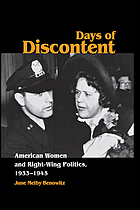
Benowitz, June Melby. Days of Discontent: American Women and Right-Wing Politics, 1933-1945 (Northern Illinois University Press, 2012). Days is positioned at the intersection of two growing fields: the history of conservative and right-wing grassroots political activism and the political activities of women between the passage of the 19th amendment in 1920 and the return to domesticity in the postwar Fifties (followed by the well known “second wave” of feminist activism in the Sixties). Benowitz surveys the activities of right-wing organizers Elizabeth Dilling, Grace Wick, Catherine Curtis and Agnes Waters among others. At times the narrative falls into repetitive sequence-of-events recounting. I found myself wishing to slow down certain chapters and delve deeper into, for example, the class dynamics and race fears of individual women who were profiled. Hopefully, such further exploration will be taken up by future scholars who build on the foundation laid by Days of Discontent.

Buechner, Frederic. Now & Then: A Memoir of Vocation (HarperCollins, 1983). My late paternal grandfather, who passed away in 2007, was a one-time graduate student in English literature who turned to the seminary after a year at University of Michigan and eventually became a professor of New Testament theology. His favorite course to teach, however, was a seminary elective titled “Christianity and Literature,” which examined the power of literature (and later, film) to grapple with matters of faith. When I was nineteen, I audited the course and spent the semester reading, and arguing about, Billy Budd, Lord of the Flies, the work of Flannary O’Connor, and Frederick Buechner’s Godric, the fictionalized account of the life of an English hermit. Buechner was one of my grandfather’s favorite writers, and when Hanna and I married this fall my grandmother sent us an essay by Buechner on the sacrament of marriage. It was this collection of personal memories and relationships I brought to my reading of Buechner’s slim memoir. In Now & Then Buechner reflects on his time at Union Seminary, his teaching at Exeter Academy, and his years of writing, lecturing, and preaching in rural Vermont. While I appreciated his reminiscences about his time at Union and his own personal faith journey, he occasionally veers into the preachy — particularly, for some inexplicable reason, his insistence that Buddhism is a religion that fails to appreciate the power of love. I may not be a scholar of Buddhism, but say what? All-in-all, recommended for those interested in mid-twentieth-century American protestantism and personal reflections on the writing life.

Gitlin, Todd. Letters to a Young Activist (Basic Books, 2012; 2003). Having read Gitlin’s seminal history of mid-century movement politics, The Sixties, for my thesis research a few years ago, I picked up this slim volume at the Brattle book carts on the “it’s only $1” theory. I don’t generally like the “letters to a…” premise, which has become overplayed in recent years, and I can’t say that format did a lot for this particular piece. But Gitlin manages (I think, though I’m now in the “over thirty” set myself) to skirt condescension and offer some useful reflections on the organizing, activist, or “movement” life. I particularly appreciated the way he wrestled with the complicated legacy of Sixties leftist movements and reactionary backlash, as well as the importance of practical (and often boring) action to balance out idealism. I think I will leave it to young activists themselves to weigh in on whether Gitlin succeeds in offering the wisdom of a mentor without the know-better attitude with which elder generations so often look upon the work of brash youth (so often judged and found wanting). Either way, his work is valuable as the thoughtful reflections of a once-young activist turned historian attempting to articulate his own lessons learned.

Overall, Christine. Why Have Children? The Ethical Debate (MIT Press, 2012). In our society, it is generally the non-parents among us who bear the brunt of curiosity and often censure. We scrutinize the motivations of the non-parents by choice and invest the resources of entire industries to enable those who have difficulty procreating to become parents. Yet philosopher of ethics Christine Overall — herself a mother of two children — argues that the burden of moral justification should fall not on those who do not procreate, but rather on those who do. Systematically, she explores the commonplace justifications for procreation — continuing the family line, parental happiness, elder care, providing siblings for existing children, etc. — and finds them insufficient to morally support the creation of new life. In the end, she makes the case that the only ethically justified reason for freely-chosen procreation is the desire to enter into a relationship with the future child. A committed feminist, Overall also spends a great deal of time exploring issues of bodily autonomy and reproductive justice — careful to weigh the work of pregnancy as a female-bodied burden, as well as acknowledging the many situations in which procreation takes place under various levels of coercion — for which I am grateful. Her arguments are logical, progressive, dense, and the boundaries of her consideration carefully delineated (she sets aside, for example, the ethics per se of assisted reproductive technologies, while acknowledging they deserve serious ethical consideration on their own), so readers looking for concise soundbite arguments will not find them here: her work requires careful attention and some measure of reflection to digest. My one serious point of divergence with Overall is in her discussion of unconditional love as both unsustainable and misleading. She argues that parental love is always conditional in that it is necessarily directed toward a particular child who is loved as an individual, not in a more universal sense. She and I differ in our understanding of unconditional love, which I have always understood to be both universal and particular. However, this is a small quibble with what at the end of the day is an extremely compelling and valuable addition to feminist ethics.

Pattersson, Vicki. The Taken (Harper Voyager, 2012). Last weekend I picked up Vicki Pattersson’s Taken, a supernatural noir involving an intrepid lady journalist, Kit Craig, and a former P.I., Griffin Shaw, who for the past fifty years has been working as a Centurian ushing murder victims’ souls to the afterlife. I had hopes Pattersson might be another Cherie Priest or Seanan McGuire, but this first installment, at least, of what promises to be a series, wasn’t Bloodshot or Rosemary and Rue. For one, the supernatural aspect of the story (Griffin’s post-mortal state) doesn’t really factor into the story in a major way. It’s what he is, and sets the plot in motion, but isn’t really developed as part of the cosmology. The Taken is a fairly straightforward investigative drama. Likewise, the character of Kit Craig feels like a sketched-out caricature: a newspaper heiress deeply involved in rockabilly culture, she has a fascination for the Fifties that is introduced but has no material bearing on the plot. The crime upon which the novel hinges (predictably, these days) on sex work and secret religious societies that rather embarrassingly harkens back to Arthur Conan Doyle’s A Study in Scarlet.

mobility in the city [a few thoughts]

28 Sunday Oct 2012

Posted by Anna Clutterbuck-Cook in think pieces

≈ Leave a comment

Tags

being the change, bigotry, boston, children, the body, the personal is political, why be judgy?

Warning: This is a rambling post full of thoughts in progress.

My friend Molly is in the process of writing a book about parenting-while-feminist and in our little writing group, #firstthedraft, we’ve been talking about the politics of “babywearing” (carrying your infant and/or small child in a backpack or sling, etc.) versus strollers. My parents generally used packs — front and back — in the mid-80s when I was small, as well as wagons, tricycles, car seats, and various bike attachments, to tote us around. I don’t remember that we ever had a stroller per-se, but then we also lived in a small enough town that for daily getting around a car was essential and strollers were thus less so. But I do remember using strollers as a childcare provider in my teens, as a way to move toddlers I physically couldn’t carry over distances of more than a city block or two (about the distance they had the stamina to walk on their own). I never thought of child transport options as very political in nature.

Here in the city, though, I’ve learned, strollers are a Big Deal. Everyone has Feelings about them: how big they should (or shouldn’t) be, where they should (and shouldn’t) be allowed to travel, when (if ever) they are reasonable to be on public transportation. Parents and non-parents alike take all sides and sometimes blood is shed (or at the very least ill-will is fostered).

Last week, I suggested on Twitter that the whole problem might be solved if only we could create little steampunk baby carriers that were balloon or propeller-powered and could hover at about 7-8 feet from the ground. The caregiver could then walk along tugging the carrier along on a tether and strollers would take up the sidewalks and/or precious room on the T no more!

still from The Red Balloon (via)

(Though I suppose then we’d be arguing about low-hanging trees and awnings on storefronts. Sigh.)

I actually think identifying this social rough-and-tumble as one about strollers and parenting choices  says something about how we, as a society, compartmentalize parents and their (especially wee) children into the category of Other, a group of people who enter the public realm on sufferance from the rest of us — those of us who, we like to believe, only take up an “appropriate” amount of space on the T, on the sidewalk, who move at the right speed from point A to point B, and are able to time our inconvenient errands for those times when, even if we do take up more space then usual, we will somehow magically not slow down, crowd out, or inadvertently invade the personal space of our fellow city dwellers.

Those of us, in other words, who assume we have a right to be in public space when and how we need to … as opposed to those Other folks whose right to the public square only extend as far as their ability to imitate the space-taking habits of the default citizen (Us).

So what I want to talk a little bit about in this post is how, in an urban environment, especially if you do not own a car and/or are trying to get by using it a little as possible, you’re just going to get in peoples’ way. Even if you don’t have dependents to transport. Even if you don’t have serious mobility issues that require extra gear (walker, cane, chairAnd errands are going to take a lot of effort to complete. And chances are you’re going to need some sort of wheeled conveyance to get them done — unless you’re lucky enough that you don’t have a bad back or a bum wrist or weak ankle and can afford a gym membership and the time to bench press on a regular basis.

Errands in the city take much more time and planning, in my experience, than they did in the car-dependent town where I grew up (or perhaps, I should clarify, much more than they did for me and my car-owning family; for the folks in my hometown too poor to own a car, life was further complicated by a crappy-to-nonexistent public transit system). It’s something I’ve had to get used to, as a former smaller-town dweller turned urbanite. And I think perhaps this helps me see more clearly the similarities across types of transport-aides that some other people don’t — because we’re so used to tuning our brainwaves to “judge” when parents-and-children come into view.

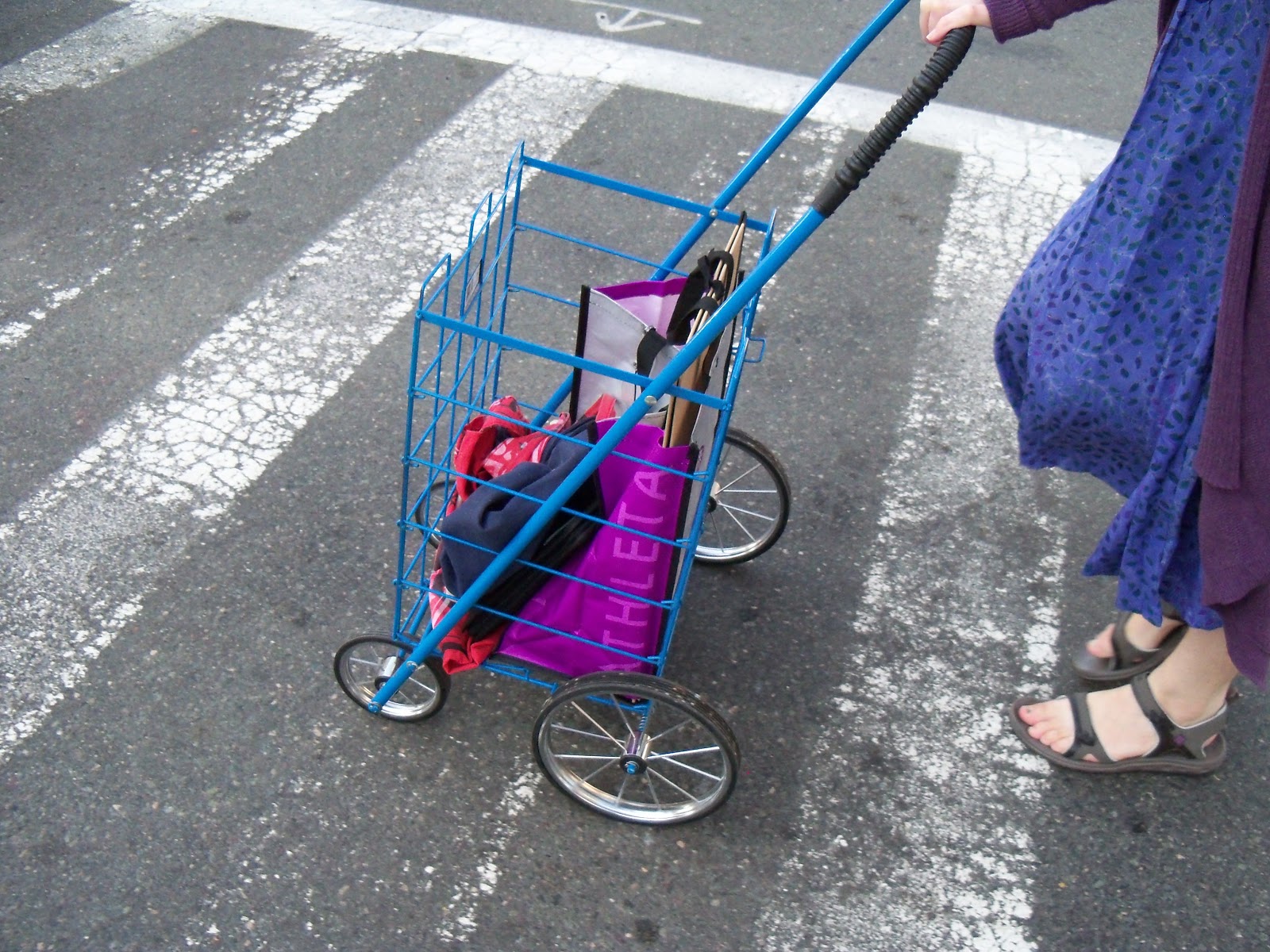
Hanna and I finally bought this shopping cart this year

I’m going to use, as an example, the errand I ran earlier this week to pick up our first monthly allotment of winter veggies from Stillman’s farm where we are CSA subscribers. Stillman’s is out near Fitchburg, Massachusetts, and drives the produce into the city to various pre-scheduled pick-up locations. The closest pick-up point for us was in downtown Boston about two miles from where I work at the MHS. The pick-up time was 2-4pm.

Setting aside, for a moment, the privilege of having a job with a) an hour-long lunch break, and b) the ability to leave on an errand and not worry about getting in trouble if the subway is delayed and I get back a bit late, this sounds like a relatively easy transaction. Take a late lunch, go down, pick up veggies, return to work, take veggies home at the end of the day. If I were living in my home town, this errand would have taken about twenty minutes, maybe, leaving 40 minutes at either end to actually eat lunch.

In Boston, this errand means the following:

1. Remember to take the wheelie-cart with me to work (which means dragging it along on our morning walk of approximately three miles) so that I will be able to transport the heavy winter vegetables on my own.

2. At 2pm, walk to the closest T stop and wait for a train that will take me the right number of stops from Hynes Convention Center to Haymarket (approx. 10 minutes)

3. Maneuver the empty cart into the T, off the T, and up the escalator at Haymarket, and two blocks to the drop point (approx. 15 minutes).

4. Transfer the vegetables from the back of the delivery truck into the cart (approx. 5 minutes).

5. Stop at a nearby sandwich shop for a sandwich and iced tea — admittedly an “optional” step, though to go without would have meant foregoing a midday meal; as it was, I didn’t have time to actually eat the sandwich until I was walking home that evening (approx 10-15 minutes).

6. Carry the cart, maybe 45 pounds fully loaded, down the stairs to Haymarket station; they have an elevator but I didn’t have time to locate it; the elevators to below-ground stops are often poorly marked. The escalators go up, but not down.

7. The first T to pull into the station was headed in the right direction, but not to the appropriate stop. I got on anyway, since I was now starting to feel anxious about getting back to work roughly on time. In order to board the train, I had to lift the cart up the stairs and maneuver it around the other passengers to a quasi-secure “parking” spot midway down the car.

8. At Copley Square I had to transfer trains, meaning I needed to maneuver around standing passengers carrying the laden cart down to the platform, and then repeat the process boarding the train again. All of these situations were made comparatively easy by a) the fact I’m physically able to lift the loaded cart for short bursts of time, b) I was traveling mid-afternoon instead of rush hour, c) I wasn’t getting hate-stares from people who automatically resent the presence of strollers in the subway. (steps 6-8 took maybe 20 minutes).

9. At Hynes, I had to disembark and haul the cart up three flights of stairs (only one of which is equipped with an up escalator) to street level, and then wheel the cart from the station to the MHS. (5 minutes)

10. At the end of the work day, I knew that rush hour on the T precluded trying to get my shopping cart on the T unless I wanted to wait for 45 minutes to an hour for any train empty enough to accommodate me. Since I am able to walk, and didn’t have to rush home for any reason, I walked home — a distance of about 3 miles — pushing the cart ahead of me.

This is the labor it takes to do one errand in the city when you’re relying on public transportation and your own two feet. I’m not writing this post in a bid for folks to pity me — we made the decision to subscribe to the CSA this winter, after all, knowing the time and effort it would take to get our fresh veggies. But I do hope that focusing in on the logistics of one errand this way points out how most of us, at one time or another, even if we are able-bodied adults sans children moving around our environment, are awkward to accommodate. And also point out how the environment is as much “at fault” as the awkward human being in question.

Rather than bitching about those of us who crowd the sidewalk with shopping carts, strollers, or walkers, we might think about the assumptions that led to sidewalks being a certain width (i.e. that all those who use the sidewalk are people who can walk unaided and unburdened with goods). While some of us might be able to carry our children (or our groceries) in wraps or packs or tote bags, others may not be strong enough to carry 45 pounds of produce (or exhausted toddler) for three miles — or time our outings before/after rush hour in order to actually fit on the T without the other passengers complaining or resenting you.

More and more, I find myself thinking about how the ideal citizen-worker in our world these days is the perfectly-able young adult without any dependents, who never gets ill, and is somehow (magically) perfectly self-sufficient. Not only do they never behave awkwardly in public, take up more space than we think they should, turn up their music louder than we’d like, lose their train of thought in the grocery aisle, or fumble with their wallet at the cash register … they manage their bodies (and those of their children) and personal belongings so that the rest of us can imagine they are not there.

Oh, I’ve been there. I’ve been annoyed and judgy and exhausted and angry and in the headspace where I just want to get home and not deal with one more stranger ever anywhere. But that’s just not the way the world works. We’re all awkward, noisy, thoughtless, slow. We all take up more space, sometimes, than others think we should.

And it seems like an important exercise or practice for each of us to — regardless of how we feel and what we think of others’ choices and presence —  realize that they’re probably just trying to get around the city like we are, and that sometimes getting from point A to B is an awkward, clumsy process. One that does, in fact, take up space in the world.

And that we all, in fact, equally entitled to be mobile, and to move around the city when and how we need to in order to live our lives.

cranberry cottages [honeymoon, installment one]

25 Thursday Oct 2012

Posted by Anna Clutterbuck-Cook in our family

≈ 4 Comments

Tags

cape cod, photos, travel, wedding

For our honeymoon on the Cape, we chose to stay in a cottage colony just north of Orleans called Cranberry Cottages; we were in a little studio cottage called “The Honeymooner,” though we didn’t realize that until after we’d arrived!

At the “elbow” of the Cape, the Orleans-Eastham area is a great spot — if you have a car — to explore up and down the Cape. With a week to poke around, we picked a different destination almost every day and took in what there was to see (and taste!).

On our first morning we walked out from our cabin to the rail trail that took us directly into Orleans on foot, where we breakfasted at The Hole in One donut shop and restaurant. Breakfast was so tasty that we decided to take our donuts to go, and have them as a mid-afternoon snack!

What’s a honeymoon / vacation for if not for sitting in Adirondack chairs drinking coffee, eating donuts, and catching up on one’s leisure reading?

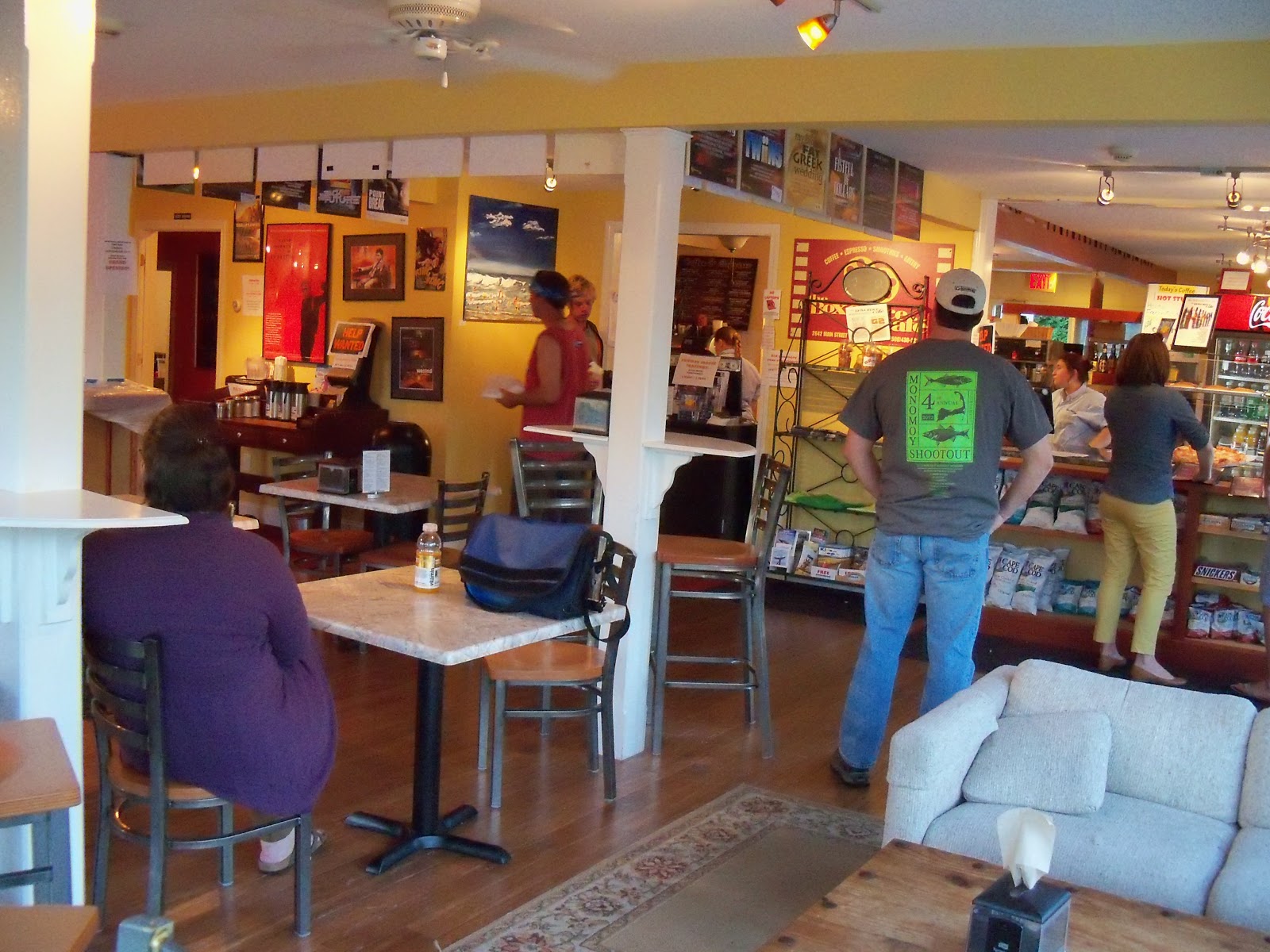
For dinner, we found a great restaurant called the Box Office Cafe that offered a wide variety of unique movie-themed pizza. We got the Beetle Juice pizza that featured (vegan) chicken, blueberries, and BBQ sauce. Hanna was skeptical, but I persuaded her and we enjoyed it so much we bought it twice more before the week was out!

Next up … our two days in Falmouth (one outdoorsy, one pamperingly girly).

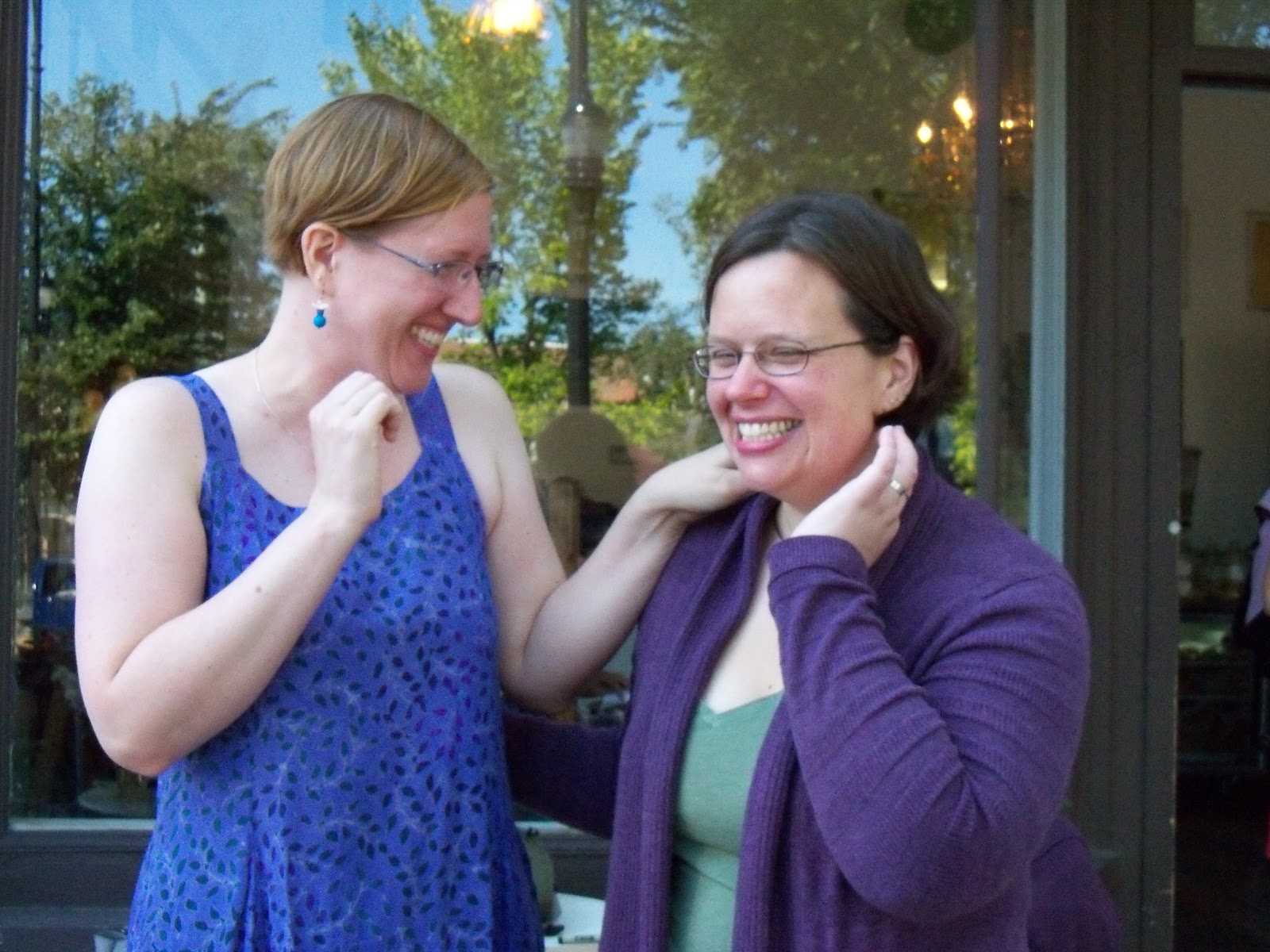
*In the event that folks have noticed, I’m the only person depicted in these photographs not because Hanna decided not to come along on our honeymoon but because she doesn’t like to share pictures of herself with the world, online or off.

← Older posts
Newer posts →
"the past is a wild party; check your preconceptions at the door." ~ Emma Donoghue

Recent Posts

  • medical update 11.11.22
  • medical update 6.4.22
  • medical update 1.16.2022
  • medical update 10.13.2021
  • medical update 8.17.2021

Archives

Categories

Creative Commons License

This work by Anna J. Clutterbuck-Cook is licensed under a Creative Commons Attribution 3.0 Unported License

Meta

  • Create account
  • Log in
  • Entries feed
  • Comments feed
  • WordPress.com

Create a free website or blog at WordPress.com.

  • Subscribe Subscribed
    • the feminist librarian
    • Join 37 other subscribers
    • Already have a WordPress.com account? Log in now.
    • the feminist librarian
    • Subscribe Subscribed
    • Sign up
    • Log in
    • Report this content
    • View site in Reader
    • Manage subscriptions
    • Collapse this bar