• anna j. clutterbuck-cook
  • contact
  • curriculum vitae
  • find me elsewhere
  • marilyn ross memorial book prize

the feminist librarian

the feminist librarian

Tag Archives: travel

30 @ 30: urban living [#7]

31 Wednesday Aug 2011

Posted by Anna Clutterbuck-Cook in life writing

≈ 2 Comments

Tags

boston, maine, michigan, thirty at thirty, travel

Four years ago today, I hit the road in a rental car full of earthly possessions to drive from Holland (Mich.) to Boston (Mass.) and begin my life as a graduate student and city dweller. Starting next week, I’m tentatively planning a whole series of posts using emails and photographs from the fall of 2007, to reflect back on that transition and what that first semester at Simmons (and my first few months in Boston) were like.

In this installment of 30@30, though, I want to talk about being a city dweller more generally, and my experience of visiting and living in cities as a young person and as an adult. I want to reflect on my perceptions of urban environments and the pros and cons of living in cities versus smaller towns versus more rural spaces (all three of which I’ve experienced, to a greater or lesser extent). Becoming an urbanite has been a struggle for me, and there’s a part of me that will never quite feel at home in the city — possibly the part of me that did feel at home, during my teens, in the wilderness of Michigan’s upper peninsula or in the foothills of the Southern Oregon Cascades. (My adolescent dream of becoming a backwoods guide will be featured in an upcoming 30@30 post on camping.) At the same time, I was born and grew up in a city of not immoderate size: around 35K in the city limits, according to the 2000 census, with roughly twice that number in the surrounding metro area. I lived two blocks from the library, less than a mile from the college where my father worked, and about the same distance from the downtown that — by the time I was a teenager and these things were relevant — boasted half a dozen places for decent coffee and two well-stocked bookstores. All the necessary amenities of life.

lemonjello’s coffee shop (Holland, Mich.)
photograph by Hanna

Still, there were ways in which Holland was distinctly different from a major metropolitan area like Chicago or Boston. There was really no public transit system to speak of, meaning you pretty much needed a car to get around in a serious way — sure, I had a bike and everything, but stuff like grocery shopping for a family of five can’t really be done on a bicycle or on foot. Most of the neighborhoods I knew as a child consisted of single-family homes, duplexes, and — closer to the college — student dorms. Apartments and condos existed, but not on the scale of a place like Boston.

My hands-down favorite thing about Chicago, the first few times I visited as a child, were the escalators at the hotel and the subway. Yes, I was easy to please.

As regular readers of this blog have probably gathered (if they didn’t already know) I mostly lived in Holland until 2007, and the elsewhere places I lived were mostly more rural, not less: Lincoln, Oregon; Hawk Hill, Missouri; Crawfordsville, Indiana. Cities were places I visited for a day or two (Chicago, Seattle) or a week (San Francisco) or at most, a month (Victoria, B.C.). I associated cities with vacations and travel, with the chance to try out new cuisines, shop used bookstores, visit museums, attend the theatre. Chicago, the city we most frequently visited when I was young, was the land of the Field Museum, the Chicago Theatre, the elaborate Christmas windows along Michigan Avenue, and the fresh roasted candied almonds from street vendors. It was a magical place, one that offered a departure from normal routine.

My first foray into city life was during my year abroad in Aberdeen, Scotland (2003-2004). Aberdeen is only the twenty-fifth most populous city in the UK, coming in between Salford (near Manchester) and Dudley (in the Midlands). In 2008 it reported a population of just over 210K. True, I was living in student housing during that time, and not working since I was studying full-time and had no work visa. So life in Aberdeen was quite different from navigating urban living as a renter and young professional. But there were experiences I had there, and skills I learned, that are not entirely un-applicable to life in Boston. I learned, for example, that even in cities green spaces can be found — though sometimes it takes diligence and a willingness to use multiple forms of public transportation. I learned how different (and often faster!) navigating a city by foot can be from navigating by car or bus. I learned that, even as a student, it pays to be connected to city life outside the university — whether it’s by attending concerts and plays, becoming a subscriber at the local public library, or spending time at coffee shops not exclusively frequented by students. I learned how to read a bus timetable and how to pay for a cab. I learned to be sensible but also not to live in fear of the city streets at night simply because I was alone and female.
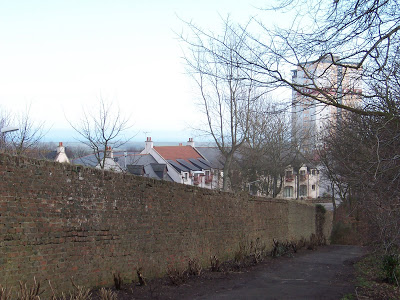
Seaton Park, Old Aberdeen (March 2004)
The North Sea is on the horizon.

One of the hardest lessons I learned was that some cities are just too large to know completely. There were parts of Aberdeen I simply never went to during my ten months there. There are parts of Boston I have never yet visited in the four years I’ve been here. It’s unsettling. I don’t like it. It makes me feel a bit blind — like those dreams where your vision refuses to come into focus.

I came back to the States from my year abroad certain I didn’t want to live in a city the rest of my life. Yet the rub is, of course, that most schools big enough to host graduate programs, most cities large enough to host a healthy number of libraries, most areas with a high probability of meeting someone youngish and also single who shares your interests — most of these things require a fairly dense population. So I ended up in Boston.
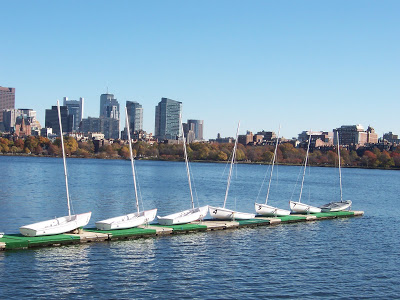
Boston skyline (November 2007)

These days I’ve made my peace with the city (see 2008, 2009, and 2010), though I can honestly say I’m not thrilled with the prospect of living here the rest of my life. Check back again in another four years and that answer might have changed.  There are days when I would rather be anywhere but here, days when I feel so claustrophobic I don’t think I’ll be able to stand it, days when I hate with a white-hot passion the freakin’ logistics of city life. There are also days when I realize how much I’ve made certain parts of Boston “home” — and that if it ever came to the point where Hanna and I were seriously considering a relocation, I would develop a hard-core case of pre-emptive nostalgia for the places we would be leaving behind.

A few weeks ago, when the T was delayed and then Red Sox fans and commuters were so packed into the subway cars that I waited over an hour for a train before just giving up and walking home in the rain, I was feeling pissy enough to come up with what I now think of as my “urban angst” list: the top five reasons why I hate city life. I’ll share them with you in a moment. The thing is, that when I had calmed down and considered the list I realized that my top five reasons why I enjoy living in Boston are actually the flip-side of the top five rather-be-anywhere-but-here items. I’m not sure what to make of that, other than simply to observe that like so many things in life, it only gets more complicated the more you think about it.
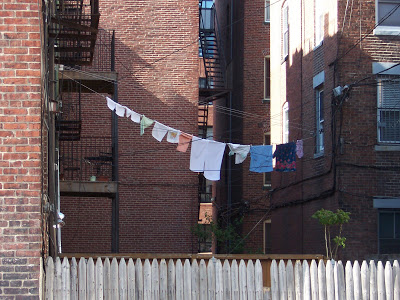


Laundry drying in the North End, Boston (May 2009)

 My urban angst list is as follows:

  • The Commute. Before Boston, I never lived more than, say, a twenty minute drive at most from where I worked or went to school. Usually it was closer to a five-minute drive, and a walk of a mile or two. These days, I live about two miles from work but the commute from door to door takes anywhere from twenty minutes (on a good day, when we walk straight onto a train) to an hour plus. I resent that I don’t have the option of skipping this part of my day. And it can make me feel trapped when the only way to get out of town is to take the train (or multiple trains) to get anywhere rural or green. Or to rent a car, which is then another additional expense.
  • Errands. Errands have never been more complicated. We have a plethora of options when it comes to buying groceries and other necessities and yes, most of them are thankfully on the walk from work to home or in the vicinity. But there’s this thing you don’t think about when you’re used to running errands in a car, and that’s how much shit you can reasonably juggle with two hands and a shoulder bag. There are weeks when I feel like my life outside of work is almost entirely dictated by the errands we need to run and the logistics of getting there and back. Rachel @ Women’s Health News has written a brilliant post on this subject recently, reflecting on the difficulty of buying groceries without a car.
  • Weather. Before moving to Boston, I had never really thought about how much more the weather matters in a big city. This might seem counter-intuitive, but when you don’t have a car and you’re either walking or taking public transit to get around you need to dress for the weather with much more care than I ever needed to back in Michigan. And you need to go out prepared for the weather to change by the end of the day, because there’s no option for running home at lunch to grab an extra sweater or your umbrella. The heat is also more intense here, and when you walk two miles to work on a humid summer day that means taking an extra change of clothes and some heavy-duty deodorant with you.
  • Apartment Living. Cities are expensive, and while Hanna and I have decent landlords, relatively quiet neighbors right now (knock on wood), and a lovely tree-shaded living room, our apartment is tiny compared to what I’m used to. Tiny and expensive. I’ll just come right out and say we pay $1250/month for our one-bedroom place, which is about par for the course in the area where we live. Hanna wishes we could have chickens, or at least room for compost. I wish we had a kitchen that more than one person could work in comfortably. And it would be nice to have storage space for things like suitcases and maybe a bike. The smallness of the space also makes entertaining more than one friend at a time difficult, which means get-togethers usually require meeting in some third space — something that inevitably costs more than hosting folks at home. I miss the days when I could have friends over to cook a meal, eat dinner at an actual table, and watch Masterpiece Theater in a room that had chairs for everyone.
  • The Illusion of Cultural Smorgasbord. Cities are full of amazing things to see and do: museums, lectures, theatre, concerts, author talks, walking tours, festivals, food and wine tasting, film series, the list could go on and on. There are specialty food shops to die for, and restaurants for every taste and occasion. The thing is, arts and culture stuff is (once again) expensive. And not only expensive, but often happens at times and/or in places that make it prohibitive to get to. Maybe there’s a lecture on women’s history that starts at 5:15pm which is technically after I get out of work, but it’s across town and there’s no way I’ll reach it unless I take a taxi for $40.00 which I simply don’t have. Those sorts of calculations. We’re no longer students, which means we aren’t eligible for any standard discounts for things like theatre or concerts, most of which are priced right out of our range. As someone who works at a non-profit cultural institution myself, I don’t necessarily think these things are overpriced — but the reality is that the cost of most of them is beyond what we can afford. So there are great things to do and see in Boston, but as people who are busy living here, there’s only so much we get to take advantage of.

My flip-side list:

  • My Job. If there’s a reason I want to stay in Boston, right now, beyond the fact that Hanna is happy here, it’s that I love my job. And a place like the MHS can really only thrive in a densely-populated urban environment, with a steady flow of graduate students and faculty, and moneyed families willing to support cultural institutions at a level of giving that most of us simply cannot afford (see “The Illusion of Cultural Smorgasbord”). As a librarian who wants to work in an independent research library or archive (i.e. not a public library and not an academic library) I only have so many options, and most of them are in urban areas — the Newberry Library in Chicago, for example, or one of the handful of LGBT archives like the Herstory Archive in New York City.
  • Public Transit. As much as depending on public transit can feel limiting (see “Commute”), I’m really glad to live in a city that offers a decent amount of service, and to live in an area where I can access it easily — both buses and subways — to get to the places I most need to go. I would not want to own or secure a car in Boston, and I’m glad Hanna and I don’t have to worry about things like car payments, insurance, and upkeep on one or two vehicles. It’s also great to live in an area that supports programs like Zipcar (car sharing) and Hubway (bicycle sharing).
  • Walking the City. The logistics of errands drive me crazy, but I do love the fact that we live in a city where walking is a feasible, even pleasant, option for many of our travels. And as much as I miss the five-minute drive to work in the morning, I enjoy being able to get in my daily exercise along with my commute, rather than having to get up at 5am to go jogging before I make my way to the train or get into the car.
  • Food Choices. If we ever more to a less urban area, I’m going to miss the plethora of options we currently have for grocery shopping and dining out. As expensive as it can sometimes be, it’s also wonderful to be able to look at pretty much any recipe and know that somewhere in Boston there’s a store that will offer the ingredients you need to make it. Part of getting to know — and feeling at home in — the city is knowing where you, personally, like to go for your favorite olives (J. Pace & Sons) or the best vanilla beans (Polcari’s). Which bakeries offer the second-day bags of bagels at $2/bag (Kupel’s), which coffee shop offers your favorite French Roast (Boston Common Coffee Co.), and the place to get baked raisin donuts on Saturday mornings (Clear Flour Bakery).
  • $1 Carts. So a lot of things are more expensive in the city — from apartments to your morning latte — but some are cheaper. Mainly I’m thinking of used books, and the fact that Boston has a strong enough used book market to support a dangerous number of used book stores many of which feature substantial $1 sections with rapid turn-over and a fairly good selection. Sure you have to be willing to browse often and buy on impulse, but who doesn’t want to do that where books are concerned!

With that, I think I’ve taken up more than enough of your time this week. I don’t have anything cogent to say about being an urbanite. It’s still a work in progress. We’ll see where the next five, ten, fifteen years takes us.
by special request from the birthday boy

17 Sunday Jul 2011

Posted by Anna Clutterbuck-Cook in our family

≈ 1 Comment

Tags

british isles, family, outdoors, photos, travel

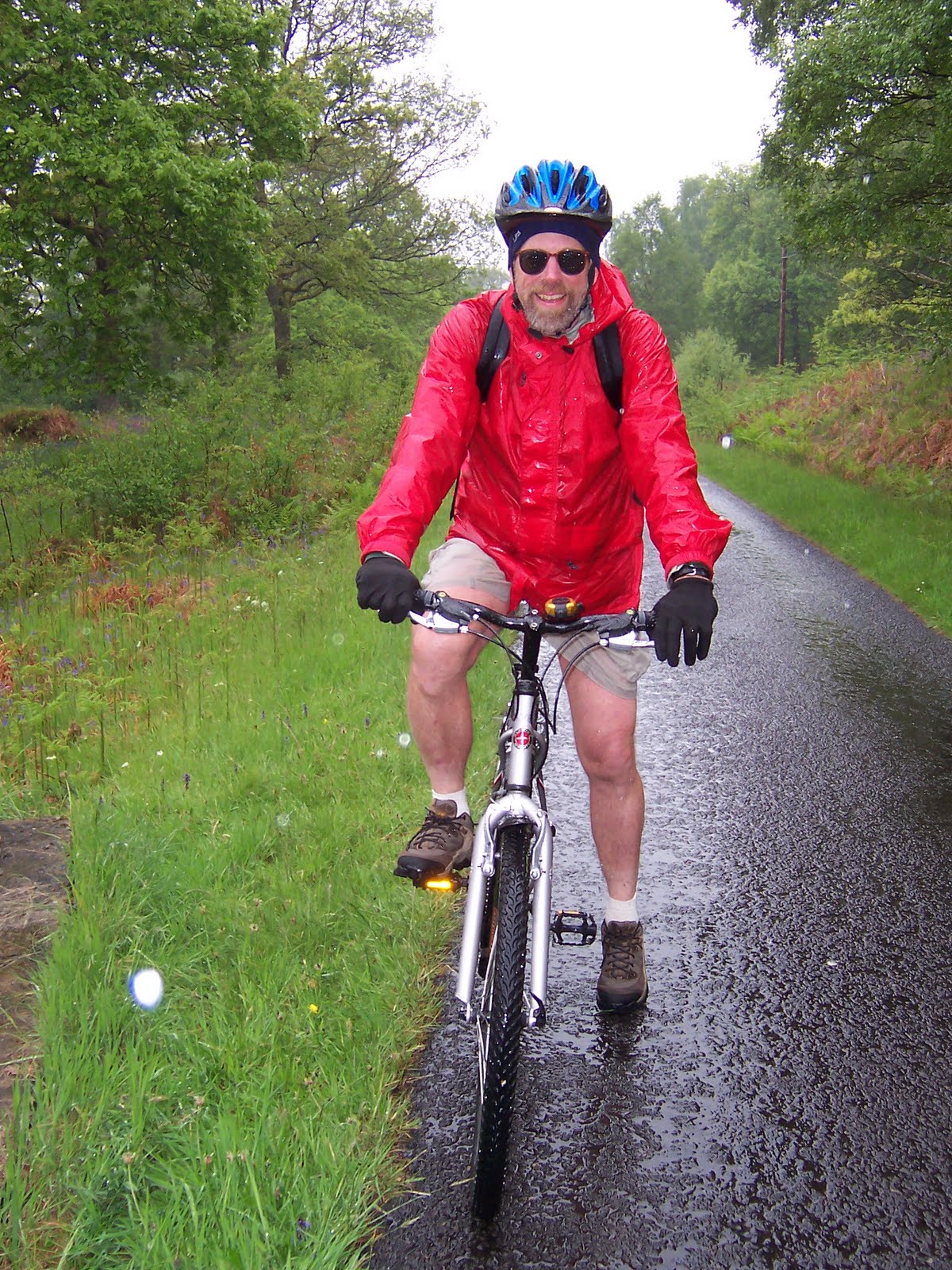
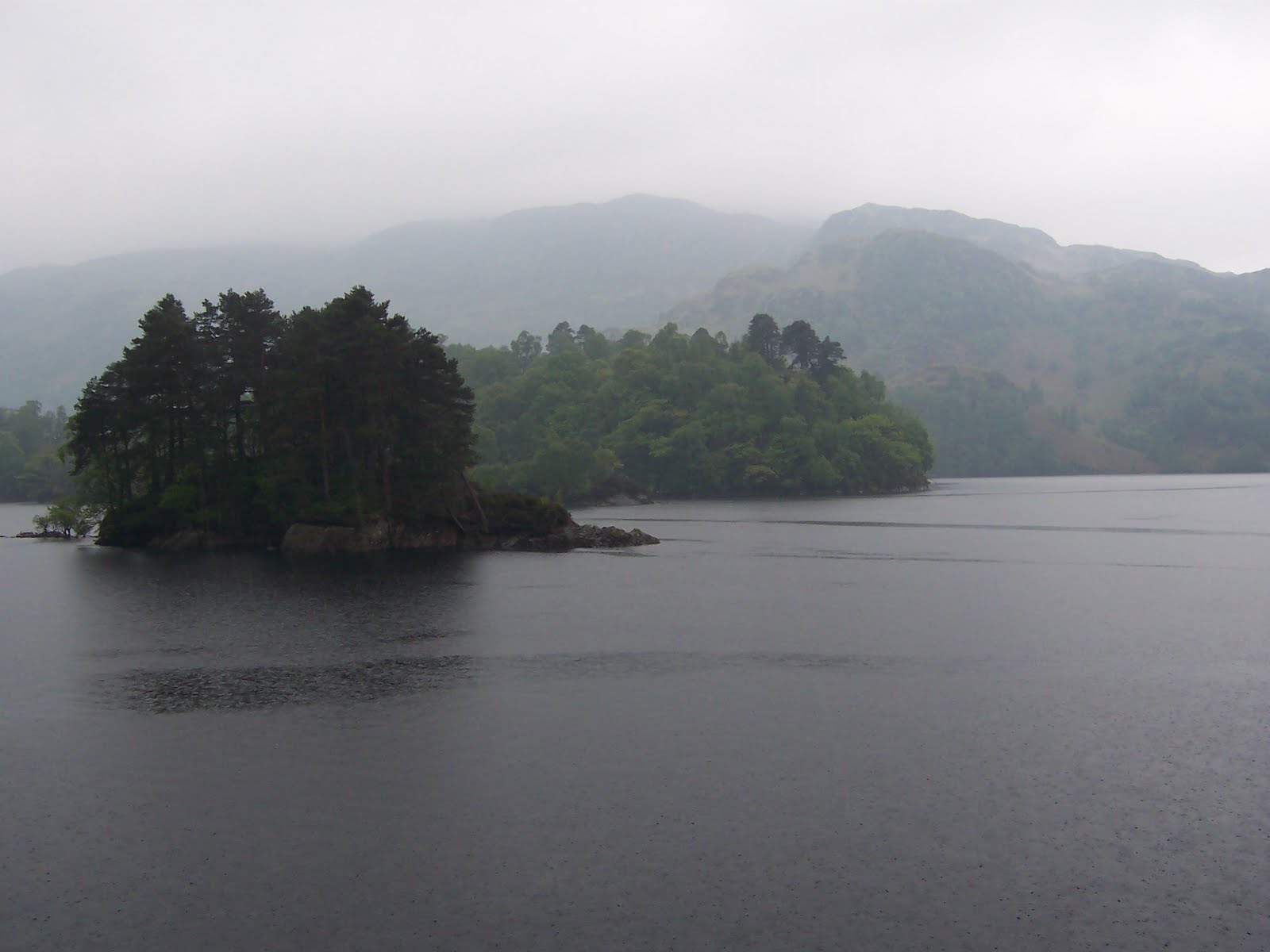
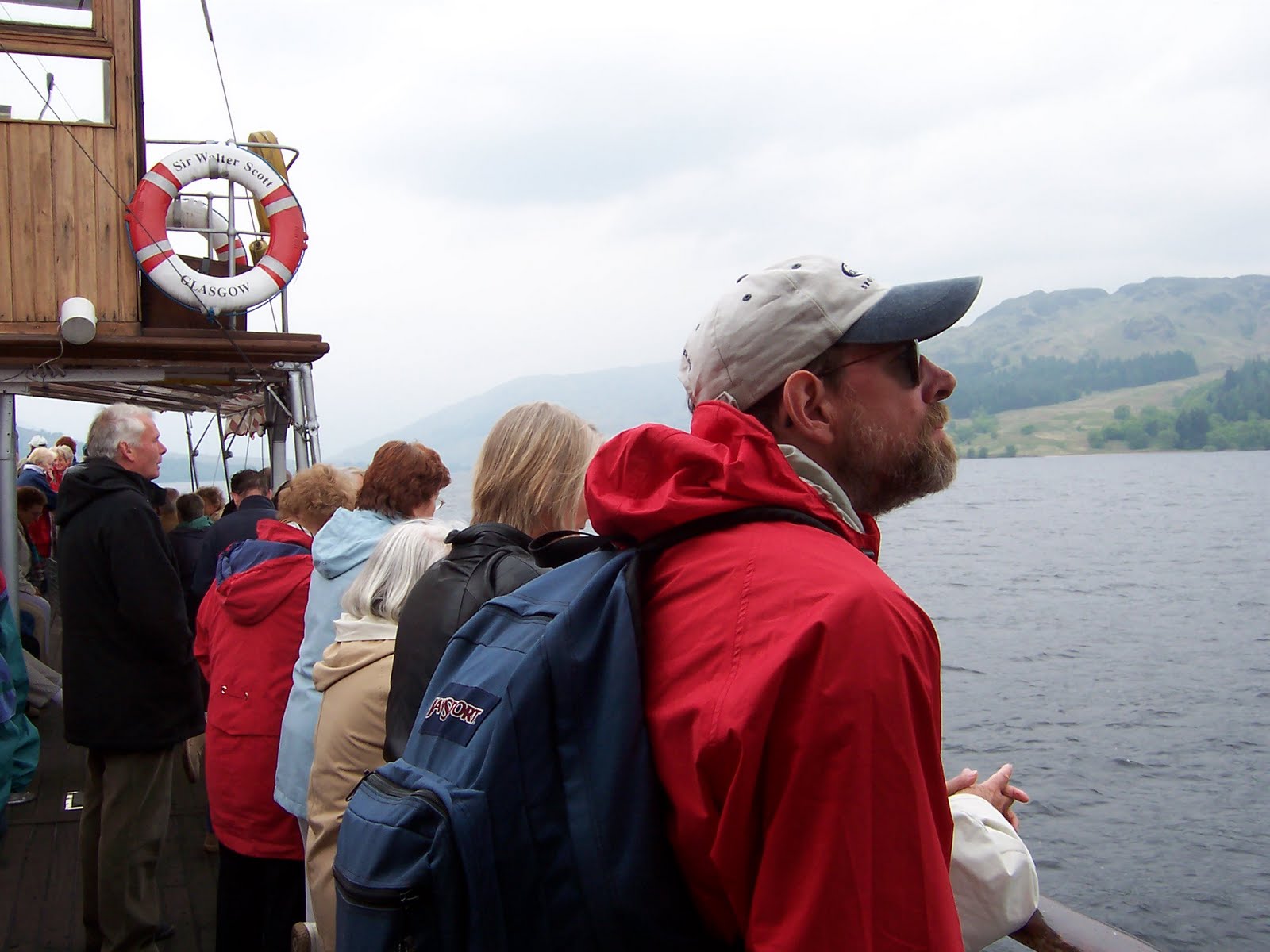
Dad suggested I share these pictures from a bike ride we took together around Loch Katrine in The Trossachs, Scotland on May 2004. It was at the tail end of a trip during which we had gorgeous weather. I’m not complaining about that, since it allowed us to complete the West Highland Way on foot without getting drenched. But the rain caught up with us on this particular day.

Loch Katrine is a water source for the city of Glasgow, so the only
boat allowed on the lake is the Sir Walter Scott steam launch.
It’s eerily quiet, whether you are riding it or watching from the shore.
You rent cycles and can ride the ferry across the loch,
then cycle back to where you started.
This is where the rain caught up with us.
You can see, if you look closely, the raindrops on the surface of the loch.
We made it back in time for afternoon tea,
and to watch the launch return!

And a lovely couple who worked at the site gave us a ride back to Stirling, saving us the cost of a cab fare.

memorial day monday [photo post]

30 Monday May 2011

Posted by Anna Clutterbuck-Cook in a sense of place

≈ Leave a comment

Tags

hanna, photos, travel, vermont

Hi all! I missed my planned Friday photo post because I was felled with a migraine (vomiting and all) and Hanna didn’t have my login information, so there could be no cross-post. And then we were traveling over the last few days. So here’s a belated photo post for the holiday weekend.
We drove back to Boston via Vermont Rt. 9 to Brattleboro, Vermont, to visit their lovely co-op. On the way over, we stopped at the top of Hogback Mountain and for the first time since Hanna’s been taking me up there we weren’t actually fogged in and I could see at least part of the famous “100 mile view.” Hanna tried out the new panorama setting on our digital camera.

Here are the results.

For a little more on what we’re doing today, post-unpacking, check out the post I just put up on Lyn’s Friends Feast. And look forward to a special two-for-one fic post scheduled to post tomorrow.

Stay cool, everyone, and enjoy your week.

rainy thursday [photo post]

26 Thursday May 2011

Posted by Anna Clutterbuck-Cook in a sense of place

≈ Leave a comment

Tags

family, hanna, michigan, photos, travel

It’s rainy in Michigan, but earlier in the week, during a quintessential bright, clear summer day (we spent part of it in the hammock), Hanna snapped these gorgeous sun-drenched photographs.

lemonjello’s (Holland, Mich.),
the coffee shop where my sister worked in college

I’m not frowning, just squinting in the sun. Also, I look like my mom!
Brewery with bicycles (we bought some to take home)
Detailing from the facade of the building that once housed my bank
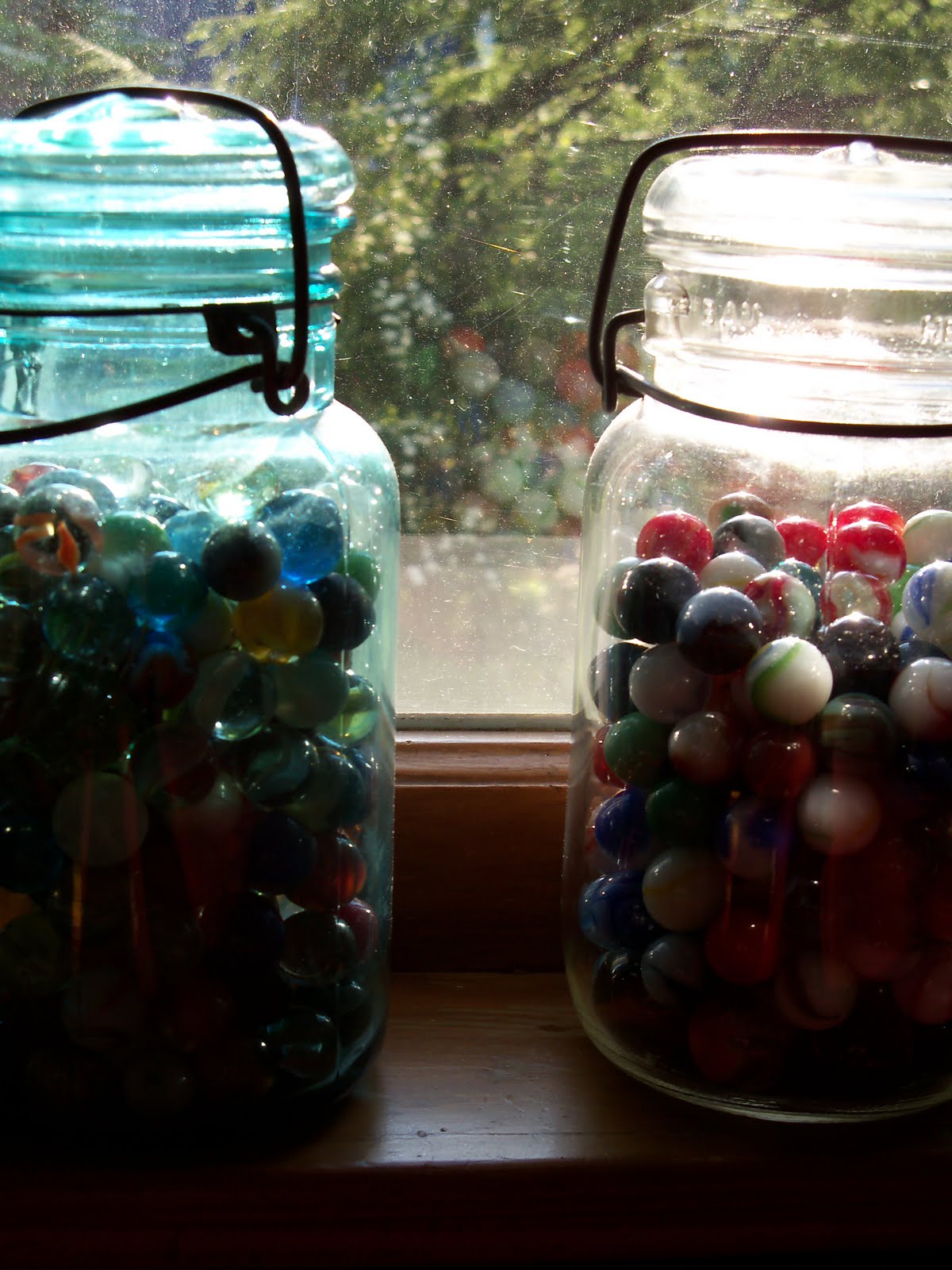
Marbles in the sun
Marbles in jars
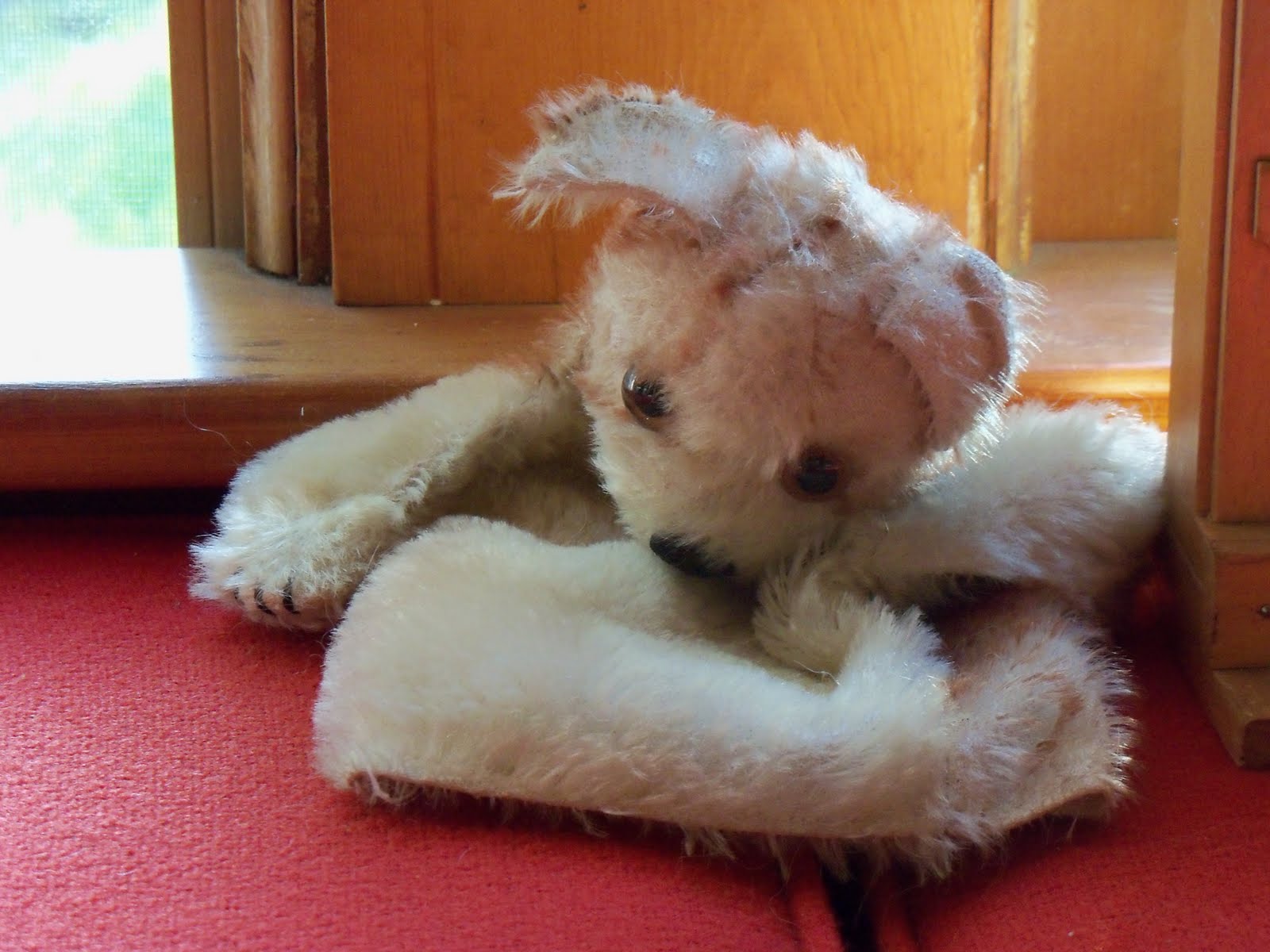
Hand puppet
Loom in the window

wednesday in the woods [photo post]

25 Wednesday May 2011

Posted by Anna Clutterbuck-Cook in a sense of place

≈ Leave a comment

Tags

family, hanna, michigan, photos, travel

Cross-posted at …fly over me, evil angel….

As promised, photos from the Saugatuck Dunes. Photos by Hanna; selection and commentary by Anna.

On Sunday morning we went hiking with my (Anna’s) parents

One of the major things I miss in the city is lack of access to the woods
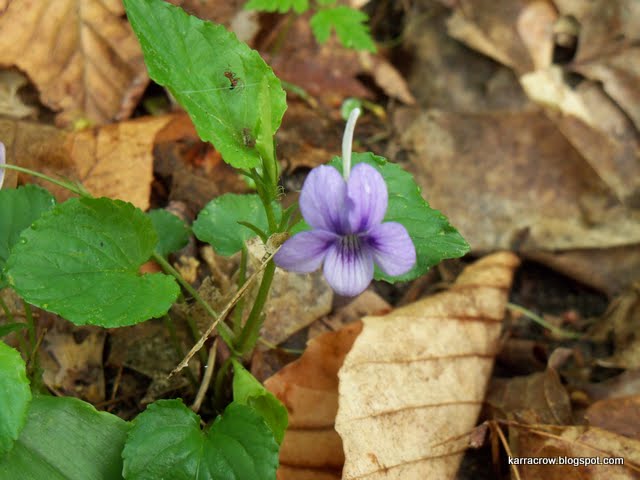
Woodland violets
I also miss Michigan sand dunes
And the lake (I am hot & sweaty in this picture)
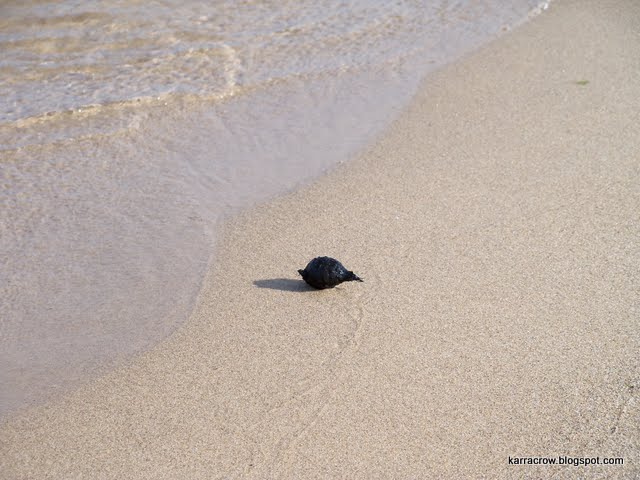
Root washed up on the shoreline
I wish there was a way for us to live & work in Boston
and still spend time here every weekend…

tuesday on twelfth street [photo post]

24 Tuesday May 2011

Posted by Anna Clutterbuck-Cook in a sense of place

≈ 1 Comment

Tags

family, hanna, michigan, photos, travel

Welcome to part two of vacation photo posts, brought to you by Anna (text and composition) and Hanna (photographs). Cross-posted at the feminist librarian.

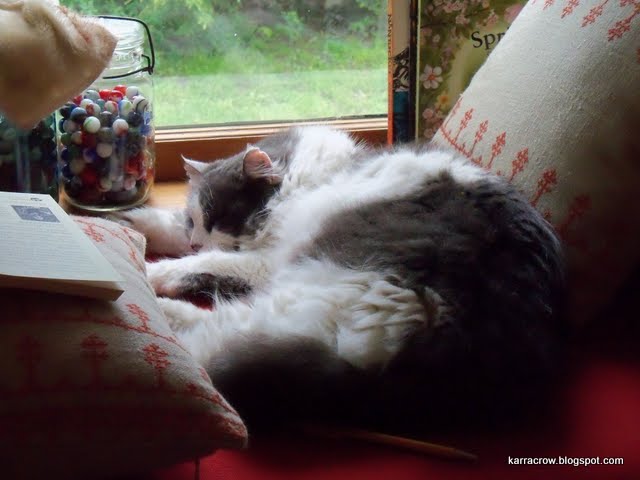
Toby takes a cat nap on the windowseat

Hanna’s personal favorite: sunlight through the
French doors
Dinner preparations
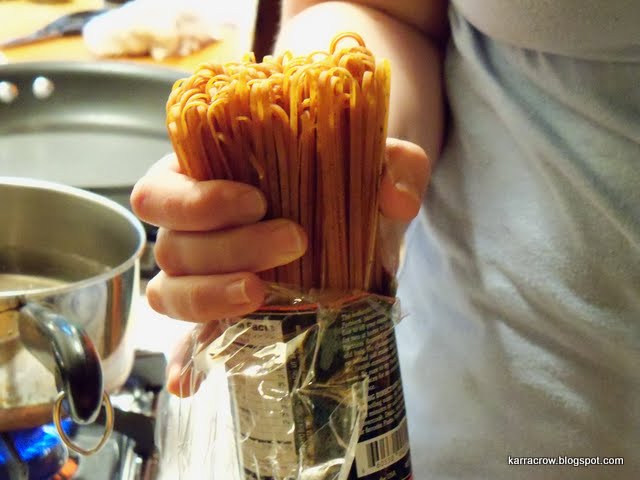
Basil tomato pasta = yum!

The (uncharacteristically tidy!) dining room table
Up to the second floor (bedtime!)

Stay tuned for tomorrow’s photos from our hike at the Saugatuck Dunes State Park.

monday in michigan [photo post]

23 Monday May 2011

Posted by Anna Clutterbuck-Cook in a sense of place

≈ Leave a comment

Tags

family, hanna, michigan, photos, travel

Cross-posted at …fly over me, evil angel….
 
Hanna and I are in West Michigan (Holland, to be precise) this week, visiting with my parents and various other childhood acquaintances. I haven’t been back here since October 2009. Hanna hasn’t been here ever. I’m showing her the stuff I remember, discovering with her the new stuff that’s happened since I’ve been away, and we’re enjoying not having to go to work for the week. We’re watching Season Two of Life on Mars and catching up on the leisure reading.

As I write this, Hanna is sitting next to me at the dining room table reading a history of coffeehouse culture in Europe, 1600-1720. I’ve been learning all the ways in which the responsible coffee user was supposed to ingest his/her drug of choice at the time (an hour before and after ingesting food, at as hot a temperature as could be tolerated) and all of the wondrous effects it was supposed to bestow.

Anyway. Here are some pictures from our Saturday walkabout. On Tuesday I’ll be bringing you photographs of domestic life at the Cook household and on Wednesday photographs from the Saugatuck Dunes State Park, where we went hiking on Sunday.

Later in the week, there may be more photos … or there might be a Friday Fun video. We’ll see what the vacation brings!

All the photos were taken by Hanna.

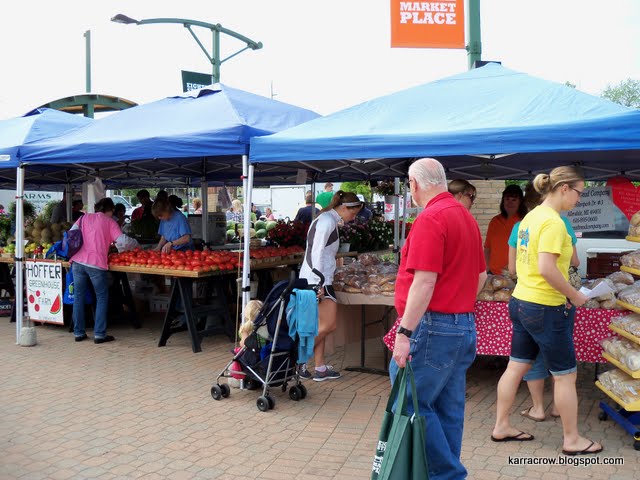
On Saturday morning we went to the local farmer’s market

It was nice, after two days in the car, to be out walking.
Miquel Fuentes, age 11, on his cello.
The turtle in the cello case is named PeeWee.
This was an addition to main street since my last visit.
We purposefully missed Tulip Time but the flowers are still blooming.
Sailboat on Lake Macatawa (latter-day Swallows & Amazons)

Stay tuned for Part Two (Hanna’s lovely photographs of the interior of my parents’ home) tomorrow.

releasing books into the wild

17 Tuesday May 2011

Posted by Anna Clutterbuck-Cook in library life

≈ Leave a comment

Tags

books, boston, call to participate, michigan, travel

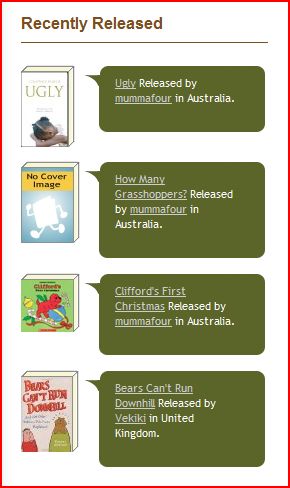
Through the great apartment clear-out of 2011, Hanna and I built a rather substantial stack of books — mostly titles we’d acquired used on the $1 book carts in Boston, or have duplicates of from graduate courses, etc. — that we no longer felt the need to own. Previously when this has happened, we’ve donated them to Goodwill or the local library book sale or sold them on at one of the myriad used bookshops (all good options!) However, this time around, we’ve decided to try releasing them into the wild via the online book sharing project BookCrossings.

Here is one of the books we’re going to “release into the wild” in upcoming days.

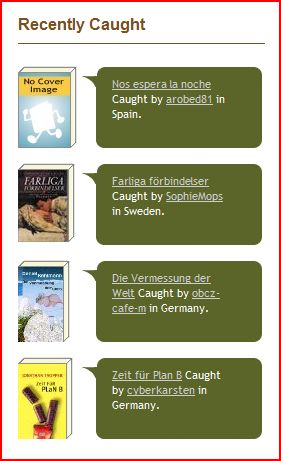
This was a fun memoir by comedian Hillary Carlip that Hanna bought me for $1 last spring to read while I was on my research trip in Oregon. It was great airplane reading. Now we’ve given it a “BCID” code number and written instructions in the front cover for whomever finds the book (once we’ve left it somewhere) to go to the website and enter the code, logging where the book was found and then, hopefully, where the discoverer eventually releases it.  One of the most charming features of the site that I’ve discovered so far is the side-bar widgets that highlight books recently “released” and “caught” around the world.
Since this is a brand-new experiment for us, I don’t have a lot more fun facts to add … but after we’ve released our first batch of 21 books in locations here in Massachusetts, in Vermont, New York, Ontario, and Michigan, and they’ve been out running about for a few weeks I’ll let you know what sorts of adventures they’ve been having. Stay tuned for the sequel!

the tattooed lady: or, more than you ever wanted to know about my first tattoo

19 Sunday Dec 2010

Posted by Anna Clutterbuck-Cook in life writing

≈ 6 Comments

Tags

children, domesticity, librarians, simmons, travel

Maggie (age 4), Anna (age 11), Brian (age 7), Holland, Michigan, Summer 1992

I promise this is about my new tattoo (!). So bear with me here.

In 1943 prolific journalist and novelist Arthur Ransome wrote to a young friend, Pamela Whitlock in an attempt to encourage her in her own endeavors as a writer — even as she was pulled into work for the war effort. “The training for your own private job is going on all the time,” he counseled her (Signaling from Mars, 301).

Stick to it, filling your notebooks. Nothing is odder than the way in which a big slice of life, vivid at the time, fades utterly away when you escape from it into something different. It’s like coming back from a year abroad. But notes, no matter how scrappy, are like stones dropped into a pool of still water. They stir up the whole picture and bring to life all sort of other things, including things you don’t happen to have written down at the time (Signaling from Mars, 307).

Coniston Water, Cumbria (30 March 2004)

Ransome knew of what he spoke, having started his own writing career as a young university drop-out, scraping by on the salary of an office boy while trying his hand at memoir and other miscellaneous bits of writing. His Bohemia in London (1907) is something of a classic in the genre of starving artist memoirs, recounting days spent shivering in unheated flats and surviving on apples for weeks at a time so that he had enough money to buy books.  From London — and his first, deeply unhappy, marriage — Ransome escaped to St. Petersburg where he witnessed first-hand the Russian Revolution and its aftermath, sending back dispatches to both newspapers and family members (his mother received regular reports on his digestive health, including harrowing tales of surgery in wartime medical facilities; his small daughter received letters adorned with illustrations of papa in great fur coats) and editing a collection of Russian folktales in translation.

Eventually, he abandoned Russia — taking with him one of Trotsky’s secretaries, Evgenia Shvelpina, whom he had to smuggle out of the country through the Mediterranean. The two later married and eventually retired to Ransome’s beloved Lake District in Cumbria where between 1931 and 1947 Ransome authored a series of adventure stories with child protagonists (Ransome himself always protested that he had not set out to write children’s stories, but rather wrote the stories that he himself most enjoyed). Set primarily in the Lake District — though later volumes take the cast of characters into Scotland, south to the Broads, and into the realm of half-fantasy — each book follows the adventures of several families of children who spend their school holidays sailing, camping, and spinning out all sorts of adventure stories that weave seamlessly between fiction and reality. As Ransome observed after completing Swallows and Amazons, the introductory tale,

I was enjoying the writing of this book more than I have ever enjoyed writing any other book in my life. And I think I can put my finger on the thing in it which gave me so much pleasure. It was just this, the way in which the children in it have no firm dividing line between make-believe and reality, but slip in and out of one and the other again and again (quoted in In Search of Swallows and Amazons, Roger Wardale, 32).

Above Coniston Water on my 23rd Birthday (30 March 2004)

While Ransome’s novels have become enduring classics in Britain and, oddly enough, have a devoted following in Japan, they are known only rarely here in the United States. When my family stumbled upon them in the early 1990s, they were unknown treasures. Treasures which we readily devoured, my parents reading them to us every night before bed. Treasures that turned into extended fantasy play of our own. Lacking an island or annual holidays in the Lake District, we turned our own urban landscape into a wilderness, camping in the backyard and repurposing the (profoundly unseaworthy) hull of an abandoned rowboat in which to play captain, first mate, and “ship’s girl” for hours on end.

Suffice to say, the series, its author, and its landscape (both fictional and actual) continue to signify, for me, profound ties to my childhood and my family of origin, as well as my particular affection for the landscape (both literary and actual) of Britain.

Ransome illustrated all of his own stories with whimsical pen and ink drawings … which is where this post finally makes its way back around to tattoos. Because when I began thinking about what sort of tattoo I was looking to acquire in celebration of my completion of library school, I knew I wanted something that was able to weave together in a particular image the part of myself that is at the fore when I am living that part of myself that sought out librarianship as a vocation. And that is the part of myself that is grounded in my childhood steeped in literature — the part of myself that does not distinguish between reading and living, between gaining knowledge and doing. As well as the part of myself that seeks both the comfort of the familiar and domestic … and the sharp edge of political analysis and social critique. And knowing what I know about Ransome as a person, while also relating to the novels he created very much as an ingenuous child, Swallows and Amazons offers just such a mix of the political and personal.

Amazon sails (photo by Hanna), ink done by Ellen @ Chameleon Tattoo Cambridge, Mass.)

It was my mother who suggested I look to AR’s illustrations — and she who finally located the illustration that became the basis for my finished tattoo. The sailboat is the Amazon, the boat belonging to Nancy and Peggy Blackett of Beckfoot Farm.

We are introduced to the Amazon sisters in the first novel of the series, Swallows and Amazons, and they remain central throughout. One of the strengths of Ransome’s series — which is indubitably visited by the British imperialist fairy on occasion, not to mention the overtly racist fairy — is his range of both male and female characters. He goes much further than his contemporary, C.S. Lewis (for example) in portraying girls who openly eschew gendered expectations — and who are celebrated for their agency. Nancy Blackett (who has changed her name from “Ruth” to a name she feels more aptly reflects her position as pirate captain of the Amazon) abhors wearing dresses is often de facto leader of the expeditionary forces. Neither does Ransome punish boys whose idea of a good time is less conquering and more conservation: The plot of Great Northern celebrates the ethic of preserving a rare species of bird in the wild, rather than harvesting its eggs for scientific study and prowess.

I close this post with the text of a telegram that, in Swallows and Amazons begins the whole adventure. The Walker children, on holiday in the Lake District with their mother, have been anxiously awaiting word from their father (serving in the Navy) who is to weigh in on the proposition that they be allowed to camp sans adult chaperon on an island in the middle of the (unnamed) lake.  In the opening pages of the book, young Roger is racing from the house across the headland to his siblings to deliver the final word:

BETTER DROWNED THAN DUFFERS IF NOT DUFFERS WONT DROWN.

On the one hand you can (and I often do) read this in a fairly harsh, survival-of-the-fittist, fashion (see? I said the British-imperialist fairy came to visit!). Yet on balance I prefer to imagine that the absent Walker parent is expressing trust in his children’s judgement and abilities — something I often find is uniquely in the power of a very small set of English literary parents (see E. Nesbit’s fictional parents for another example). These adults are always present — yet rarely intrusive. They engage with their children when called upon to do so, taking their children’s concerns seriously and often deferring to them as the experts of the moment.

It is this act of trust in their own children’s abilities to act independent of them in the world, and not only to survive but in fact thrive while doing so, that makes the wonderful adventures of the following thirteen novels possible.

Which (coming full circle) is precisely the same trust my parents placed in us as children — and made possible, for me, so many things that have led up to this moment.

So for all of those reasons let me say: I am very pleased with my first tattoo. And am already well on my way to envisioning a second!

off to maine (my thesis draft is complete)!

02 Thursday Sep 2010

Posted by Anna Clutterbuck-Cook in our family

≈ Leave a comment

Tags

family, holidays, maine, thesis, travel

Kevin and Linda Clutterbuck’s garden, Norridgewock, Maine
July, 2010; photograph by Anna Cook

This week, right in the middle of a heat wave here in Boston and between a two-day migraine headache and the start of fall semester classes, I decided my first full draft was as done as it was going to be. I closed the files, saved them to my USB drive, and tomorrow morning will print two copies and drop them off in the mailboxes of my first and second readers.

The draft comprises an introduction (context and methods) and three chapters. It clocks in at 98 pages, which is longer than my adviser will like but shorter than the final draft is likely to be. I feel very proud to have written those 98 pages over the past twelve weeks, however rough they may be (and believe me, some sections are rough).

What happens from here? Well, first Hanna and I are going — hurricane Earl permitting! — to spend Labor Day weekend free of labor at her parents’ home in central Maine (see above).

Then, my readers will look over and comment on the rough draft and my adviser and I will sit down and plan out the timetable for my final version. There are some constituents voting for a final draft to be submitted in September, and some in the May completion camp. I myself am divided, but leaning toward May for both personal and scholastic reasons. I’ll keep you posted.

Meanwhile, I’m pleased that this phase of the project — which at times felt endless verging on the hopeless (Hanna will testify to the tears involved) — is over and the next phase can begin. I’ve always been a bigger fan of revision than I have of the initial, terrifying draft.

Cross-posted from my oregon extension oral history project blog.

← Older posts
Newer posts →
"the past is a wild party; check your preconceptions at the door." ~ Emma Donoghue

Recent Posts

  • medical update 11.11.22
  • medical update 6.4.22
  • medical update 1.16.2022
  • medical update 10.13.2021
  • medical update 8.17.2021

Archives

Categories

Creative Commons License

This work by Anna J. Clutterbuck-Cook is licensed under a Creative Commons Attribution 3.0 Unported License

Meta

  • Create account
  • Log in
  • Entries feed
  • Comments feed
  • WordPress.com

Blog at WordPress.com.

  • Subscribe Subscribed
    • the feminist librarian
    • Join 37 other subscribers
    • Already have a WordPress.com account? Log in now.
    • the feminist librarian
    • Subscribe Subscribed
    • Sign up
    • Log in
    • Report this content
    • View site in Reader
    • Manage subscriptions
    • Collapse this bar