• anna j. clutterbuck-cook
  • contact
  • curriculum vitae
  • find me elsewhere
  • marilyn ross memorial book prize

the feminist librarian

the feminist librarian

Author Archives: Anna Clutterbuck-Cook

booknotes: when we were outlaws

08 Thursday Dec 2011

Posted by Anna Clutterbuck-Cook in book reviews

≈ Leave a comment

Tags

being the change, feminism, gender and sexuality, history, memoir, politics

In many ways, Jeanne Córdova’s memoir, When We Were Outlaws: A Memoir of Love and Revolution (Midway, Fla.: Spinster’s Ink, 2011), couldn’t be more different than the last memoir of the 70s I reviewed here at the feminist librarian: Patricia Harmon’s Arms Wide Open. Harmon’s memoir told the tale of a self-trained hippie midwife who moved with sons and male lovers through several different rural communes before entering medical school for formal nurse-midwifery training. Jeanne Córdova, by contrast, spent the 1970s in the Los Angeles area free-lancing as a journalist and activist in what were then referred to as the women’s and gay liberation movements. A self-identified butch, she came of age as part of the lesbian bar culture of the 50s and 60s, then discovered gay liberation and feminism in 70s. Córdova was the founding editor of The Lesbian Tide newsmagazine and the human rights editor of the L.A. Free Press, interviewing radicals on both the left and the right on the run from the law. As she observes in her introduction, “this memoir visits many outlaws, some freedom fighters, and a few who would be called terrorists … I needed to know and sort out these outlaws in my mind in order to discover the perimeters of my own moral compass … Outlaws takes place at the intersection of shadow and shade that differentiate between persona and principle” (vii).

Yet I found myself, while reading Outlaws, thinking often of Harmon’s memoir and the parallels between both works in scope and tone. And in the relationship (in text, at least) between the authors and their own personal and political pasts. Like Arms Wide Open, When We Were Outlaws seeks to tell a specific slice of the authors life, rather than starting with childhood and moving through the years in an orderly progression. Both authors chose, as their time-frame, the turbulent years of the 1970s when the heady, optimistic social change movements of the late 1960s led to more complicated lived realities for those who championed leftist causes and a counterculture way of life. Córdova focuses on her life and work between 1974-1975, with some flashbacks and flash forwards to help us make sense of the dense web of associations — political and personal — that characterized that time, both for Córdova specifically and her fellow activists in what was then called “the Movement” more broadly. Like Arms, Outlaws gives us an in-the-moment perspective on the life of someone struggling to live out her political convictions in her personal life. For Jeanne Córdova this means an up-close, and in many ways unshrinking, view of her involvement with lesbian separatist politics in relation to the gay liberation movement more broadly. It also means intimate portraits of her trial-and-error practice of open relationships, as she paints a portrait of her involvement with two women — the long-term relationship in which she and her partner have negotiated non-monogamy, and the quickening of an intense love affair with a fellow activist that threatens the stability of her more permanent ties.

It has become a commonplace, since almost before they began, to identify the leftist social movements of the 60s and 70s as enthusiasms of youth, as romantic idealism (or destructive self-absorption, depending on your political persuasion) that necessarily gave way to realistic politicking and material concerns. In some ways this is true. Many of the individuals who populate When We Were Outlaws are young adults in or just out of undergraduate or graduate school programs, young professionals or struggling under-employed twentysomethings. They don’t (yet) have dependents to care for, and are geographically mobile, often living on the economic edge. They’re at the point in their lives where they’re developing a sense of what kind of life they want for themselves and those they care about — what kind of work they find meaningful, what values they hold dear, what kind of relationships they want to build and maintain. Often, their answers (however tentative) to these questions are at odds with the answers their parents or the activists of the previous generations gave.

Yet despite the youth (and youthful perspective) of its protagonist, I would argue that Outlaws pushes us to re-examine our assumptions that the moral dilemmas and vision for a better future that Córdova and her cohort were immersed in are solely the province of the young — impetuosity that will necessarily give way as one grows into more seasoned adulthood. One of the most interesting narrative threads in Outlaws traces the relationship between Córdova and her political mentor/substitute parental figure Morris Kight. Kight was a mover and shaker in L.A. gay political activism, someone with whom Córdova worked closely and fell out publicly over the place of women in the gay liberation movement. Their differences aren’t so much conservative elders vs. radical youth but something more complicated — a difference in experience, of power, of privilege. In the very personal (yet also political) struggle between Kight and Córdova we can see all the complications inherent in working for social justice, complications that don’t get, well, less complicated — or less relevant — as we grow older.

Córdova reflects back on her younger self with a sometimes-critical, yet always compassionate eye. While the narrative style is “novelized memoir” (to use the author’s own choice of phrase), one nevertheless gets the sense that the author both knows well her protagonist’s faults and cares very deeply for her younger self, no matter how flawed her present self may find that person of the past. “I was not born knowing how to love,” is how she open’s her introduction. “It came to me late in life” (vii). In the pages of Outlaws we see her be cruel to lovers, ideologically ruthless, politically short-sighted, and cripplingly addicted to booze and prescription drugs. At the same time, we see a heart-breakingly young woman who’s been physically evicted from her childhood home (for bringing home a lover), is living with serious and intermittently-treated depression, experiences chronic under-employment, and who nonetheless is working hard to build a meaningful life for herself and a better future for us all. Whether you agree with the young Córdova’s means and visionary ends doesn’t necessarily detract from the import of such a closely-rendered self-portrait.

I suspect we’re only in the early years of a richly textured new wave of 70s-era autobiography which will shed new light on the particularity of growing into adulthood during a period when even the most fundamental of questions concerning how we organize our personal and political lives seemed to be in real, material flux. I am also happy (quite selfishly, I admit!) about the way these personal perspectives will provide unique, and accessible, primary source material for historians of the period, even while many historical sources remain in private hands (and therefore often invisible-to-researchers). Córdova’s memoir would provide a rich jumping-off point in a course that sought to explore this era in all its rich historical realities — and I hope it prompts many readers to re-examine what they think they know about the political contours of the decade.


This review was made possible by the generousity of Lynn Ballen at Spinster’s Ink who provided me with an advance review copy of the book. The book is available now for purchase online or at your brick-and-mortar bookstore of choice. You can read more about the memoir and its author at www.jeannecordova.com.

from the neighborhood: athan’s bakery

05 Monday Dec 2011

Posted by Anna Clutterbuck-Cook in a sense of place

≈ Leave a comment

Tags

boston, from the neighborhood, photos

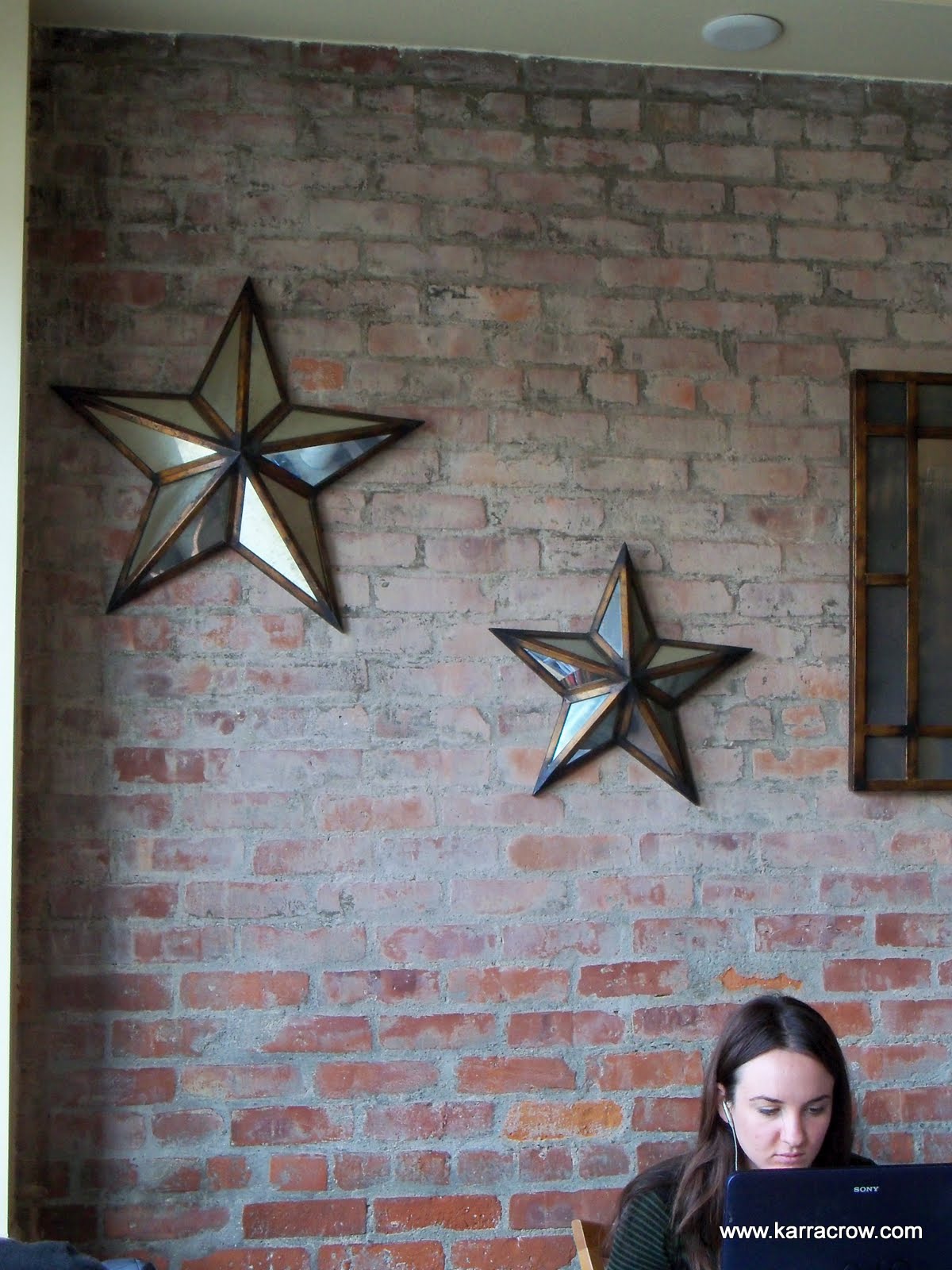
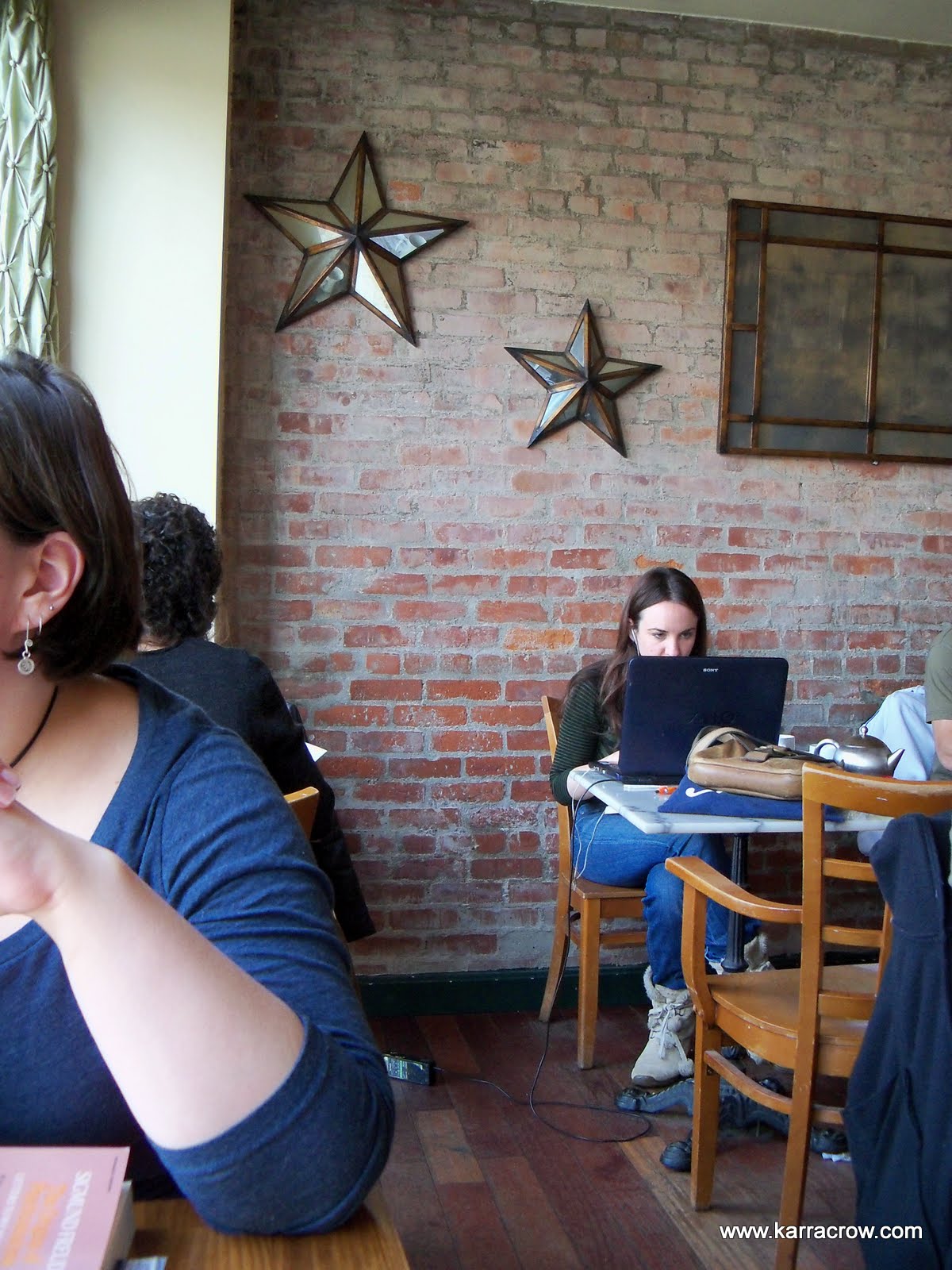
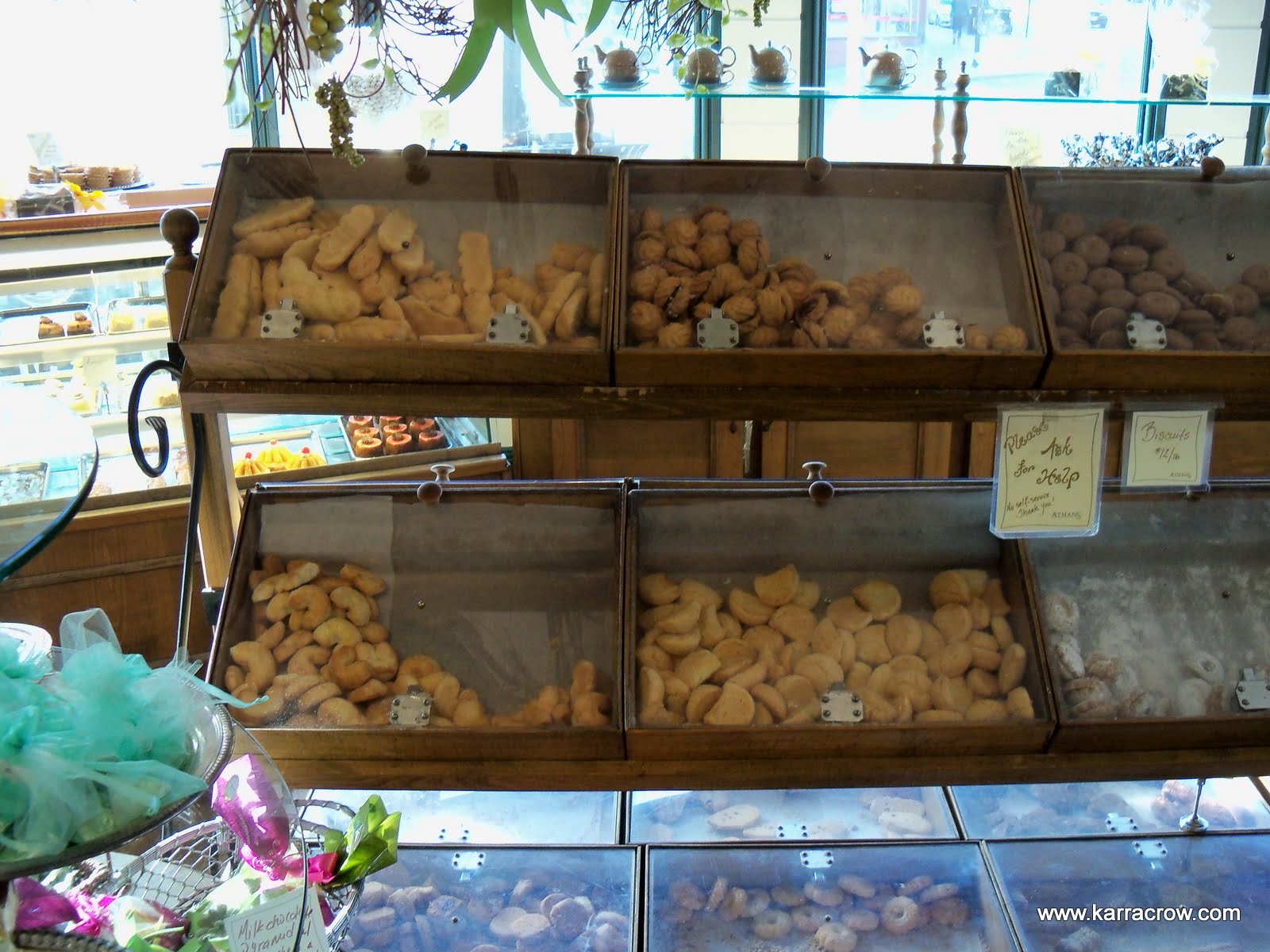
Yesterday, Hanna and I branched out from out usual weekend haunts to try out a new spot for weekend brunch: Athan’s Bakery in Washington Square, Brookline. It turned out to be a great place for people watching, reading (Hanna: Freud’s collected letters to Wilhelm Fliess, Anna: The Reactionary Mind by Corey Robin), and nursing our morning espresso. Here are some photos I snapped while we were there.

The front room, full of sunshine and sugary things.
Cookies sold by the pound
Not exactly breakfast food, but …
There were lots of students with laptops working away
Hanna’s left arm, lovely earrings, and
new-hairstyle-in-progress
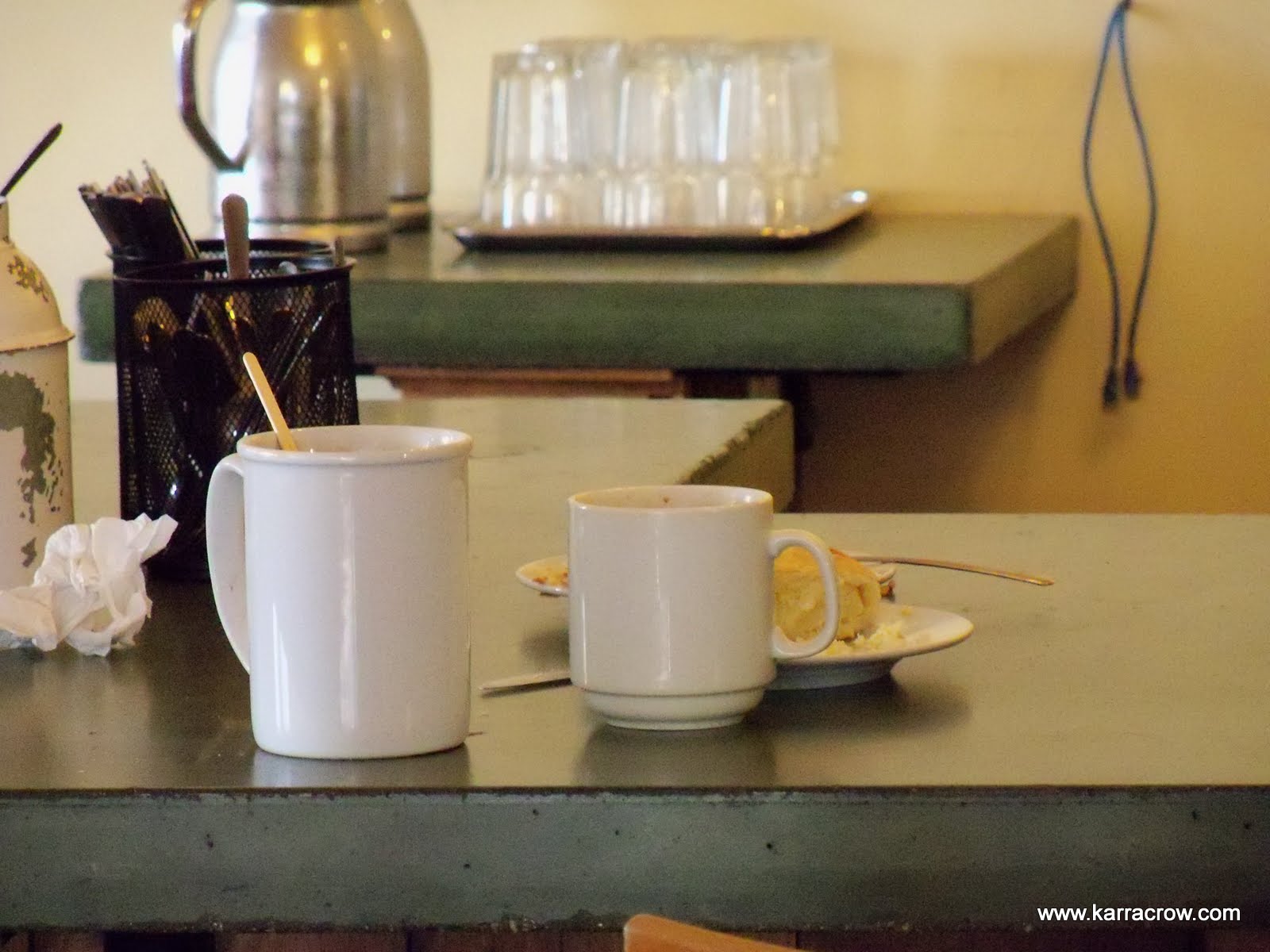
Abandoned coffee cups at the espresso bar.

third thoughts: conversations about sex + identity

04 Sunday Dec 2011

Posted by Anna Clutterbuck-Cook in life writing

≈ Leave a comment

Tags

call to participate, sexuality and gender, sociology

As promised, here are some “third thoughts” about my participation in Holly Donovan’s comparative research on social interactions between straight and non-straight folks in urban and rural areas. 


For my first thoughts and second thoughts, if you haven’t already seen them, follow the links.

To read more about participating in Holly’s research project, check out her call for participants (PDF). If you live in the Boston area and identify as queer in any way — or know someone who is and does — do check the project out; she’s still actively searching for participants. She mentioned particularly needing to hear from non-academics and people who hail from working class communities.
So. Now that the “signal boost” portion of the post is complete, on to my own further reflections.
we sat down to talk over coffee at Pavement Coffeehouse
Even though Holly indicated that the second-round interview typically lasts about thirty minutes, she and I talked for a good hour and a quarter (are you surprised? if you know me, you aren’t surprised). Here are a few things that Holly’s response to my project journal (see second thoughts) prompted in my own thinking.
Holly noted several times the way in which my journal observations “emphasized the positive.” She was actually pulling that phrase from a section in my journal where I talk about a tricky interaction with someone who was kinda luke-warm about the lesbian relationship thing.  I was describing how I chose to emphasize the positive with them, verbally pointing out the steps this person made toward acceptance and thanking them for being willing to acknowledge my relationship with Hanna. We talked quite a bit about this, both as a conscious strategy for interactions with a potentially hostile environment, and also as something that simply is for me when it comes to my queer identity.

Let me try to explain (warning: it’s a work-in-progress). As I’ve talked about in the previous posts — and as should be overwhelmingly evident from everything I write about sexuality and relationships on this blog — I experience my sexuality, sexual orientation, and sexual relationships in a really enthusiastic way. Because my sexuality is fluid in many respects, you could say that I didn’t really have a sexual orientation/identity until I was in a relationship of my choosing. A relationship which I entered as an adult who was enthusiastic about being partnered with this particular person (Hanna). Prior to that moment of becoming part of a couple, I was sort of a blank slate, socially, for other people to read whatever the hell orientation they wanted to onto me. It wasn’t an active component of my self-presentation until I wanted it to be.

So basically, by the time my sexuality became visible and people could react to it in more public settings (outside of conversation with intimate friends), I had pretty clear convictions about what was and was not out of bounds, and how I wanted to handle any resistance to who I am, who I’m with, and how I choose to enjoy my sexuality. I have two basic ground-rules for myself about handling less-than-optimal social interactions:

1. I won’t be dishonest about who I am. This is largely pragmatic, since I’m terrible at dissembling. But it’s also a decision rooted in my personal ethics. Since I can remember, the way my family (and later I, as an individual) chose to live has made some people uncomfortable — even angry. If I had grown up trying to manage other peoples’ discomfort about my non-conformity it would have been a losing battle before it began. Aside from the fact that managing other peoples’ emotions is a) doomed to fail, and b) the worst energy sink ever.  So I just won’t. I am who I am, and if that’s a problem for someone then we’re probably going to need to figure out how not to be in much contact, or simply put on our grown-up pants and deal with the fact we have differences.

2. Whenever possible ignore the negative crap and give a shit-ton of positive reinforcement for anything constructive. This strategy, too, stems from my childhood … where I realized somewhere along the line that I could use my time/energy critiquing institutional education or I could focus on the instances of high-quality mentoring and learning where and when I saw them happening. I like this approach because it doesn’t allow the opposition to frame the debate, and it allows you the freedom to focus on building the sort of future you want rather than constantly re-hashing how less-than-ideal the present it. 

“Ignoring” the negative crap doesn’t mean pretending it isn’t there, or letting it go without noting it and pointing out it’s not cool. But when it comes to people-to-people interactions, particularly, I’d rather spend my time giving positive feedback for the good and a cool reception to the bad. The less attention unhelpful interactions get, the better.

So “emphasizing the positive” is both a manifestation of the social privilege and aspects of my personality that made growing into my adult sexuality and sexual relationships overwhelmingly positive* and a conscious political choice for how I think I’ll best be able to use my limited energies and resources to effect change in less-than-optimal social situations.

Holly was interested in my reflections (which I wrote about at the end of my second thoughts post) on getting something out of living on the cultural margins. In addition to what I’d already written in that earlier post, we discussed how the experience of choice and agency which I describe for myself — of being drawn toward non-conformity — is different from the language of being “born this way,” and then pushed to the margins by others who reject who you are. I actually don’t see myself as choosing marginality (though existing on the margins feels familiar). What I experience myself choosing is the situations that will best allow me to flourish, that will best support my well-being as a person. Given the culture in which we live, I’ve discovered that these happen to be marginal spaces. It’s been an incremental journey in a lot of ways, wherein I made a series of decisions about this and not that which have led me to a place very different from the majority culture. I didn’t choose sexual fluidity and desire, didn’t choose to fall in love with another woman, but I chose to recognize and honor that sexuality, that love, and make a space in my life for those desires and that relationship. I don’t feel shoved unwillingly out of the mainstream — I feel like I chose (am in the process of choosing) the life that works best for me and my partner, and the mainstream has sort of parted ways around us. It’s not really here nor there, to me, whether or not my life path is ever “normal” or acceptable in the eyes of the majority.

Holly observed that I wrote comparatively about my experiences in Boston and in Holland, and asked how things would be different (in relation to sexual orientation) if I were living in Holland rather than Boston right now. I wrote comparatively about Holland and Boston in my journal in part because I know Holly’s study is looking at regional differences and queer-straight social interactions in urban vs. “rural” locations. So it’s not like I spend a lot of time comparing the two places specifically in relation to queer issues. But when she asked about what would be different, my first thought was It’s less tiring to be myself here. Less tiring, because less oppositional. When I lived in Holland until 2007 I wasn’t visibly queer, but I was more or less myself in politics, interests, and values. And living out those values, expressing those interests and politics, just took a lot of work. 

Or, at least, I learned to expect that when I opened my mouth (or when people with similar values opened their mouths) it would trigger the angst and the anger and the defensiveness and the soul-searching re-evaluation of values and yadda yadda yadda ad nauseum. Who I was and what I believed caused people existential angst and precipitated crises. It got really tiring. And boring.

So when I picture being in Holland now, on the one hand it would be awesome to be closer to the friends and family I know and love there. But it also just sounds like a lot of work: work to find a queer-friendly therapist, work to find a doctor who’s cool with lesbian sexuality, work to advocate for same-sex spousal benefits (which, you know, currently illegal in my home state). All of which are just givens most of the time here. And that’s on top of swimming up stream against the gender essentialism and anti-feminism and opposition to social welfare and any number of other issues that aren’t directly tied to sexuality but are nonetheless about who I am and how I want to live.

I know plenty of friends and relations who manage to live and even thrive in that environment — and part of me is envious that they’ve managed to build lives in a hostile climate. But I did that for 26 years and it’s really nice not to have to right now.

As I myself observed in second thoughts, Holly noticed how many of my intellectual and social interactions concerning sexuality center around reading and writing (on- and offline). She asked what I look for in my reading and interactions in these areas. I didn’t have any ready answer for her, other than that I’ve found the resources I do consult mostly by link-hopping and footnote following … I identify a resource I do like, and mine it for further reading in whatever way it appropriate to the medium. I follow the network, whether it’s a blogroll or a bibliography. At this point, I have enough sources of information that I can sit back fairly passively — skimming my feeds, reading book reviews, taking note of workshops and presentations — and monitor the flow of sexuality information that’s being generated and analyzed by the people whose ideas and opinions I care about.

What sort of people are these? Well, I actually think a good list of criteria can be found in a post I wrote over at Harpyness about sexuality education and things I wish I’d known when I was younger about human sexuality. Those five things are a pretty good outline of what I’m currently interested in exploring, and the sort of attitudes about human sexuality I gravitate towards. I generally look for writing on human sexuality that’s descriptive rather than prescriptive — I like reading about how humans behave and why, and what they do that fosters well-being, rather than about how we “ought” or “should” behave according to some external set of rules (religious or otherwise). I prefer research and writing on human sexuality that doesn’t presume human sex and  gender are oppositional and binary, and it’s probably redundant for someone who’s titled their blog “the feminist librarian” to say she wants her resources to demonstrate feminist awareness and to critique systems of oppression that constrain our ability as individuals to experience pleasure and wellness.

I don’t really care how the individuals behind these sources of information identify sexually. I follow blogs and read books by people whose own experience of human sexuality ranges across the queer spectrum as well as falling squarely within heteronormative boundaries. I’ll talk and think sex with people who are asexual, poly, abstinent until marriage, gay men, trans* folk, hetero married, celibate due to religious vocation, etc. At rock bottom, my only criteria are that a) you acknowledge and embrace human sexual diversity, b) believe there is no one-size-fits-all approach to sexual ethics, c) but take sexual ethics seriously as a topic of conversation; d) that human sexuality, to you, is seen as a potential source of human pleasure and connection; and obviously e) you enjoy exploring both your own experience of sexuality and the cultural narratives we’ve constructed around those personal experiences.


*I’ve been thinking since we talked about how my cisgender presentation made my smooth (sexuality/sexual identity-speaking) adolescence possible. In part because I’m reading a book right now about the lives of transgender people and the gender policing they experienced as teenagers. As a girlchild with parents who worked not to gender stereotype, I was given wide, wide latitude to be a person first and a girl/woman second. Feminism also granted me license to be myself, however I wanted that to manifest. This, in conjunction with simply taking myself out of the active dating/partnered pool, made a buffer for my sexuality to develop and space for me to discern what I wanted on my own terms. This deserves its own post … so I’ll see what I can do in the near future.

second thoughts: my "sexuality and society" journal

01 Thursday Dec 2011

Posted by Anna Clutterbuck-Cook in life writing

≈ Leave a comment

Tags

call to participate, gender and sexuality, sociology

This is the second post on my participation in a Boston University study of urban and rural queer folks and their social interactions with non-queer folks. You can read about my initial interview with researcher Holly Donovan in the first thoughts post I wrote back in October.

This past Monday I sent Holly the journal I’d been keeping since our initial meeting. I’m not going to make the journal publicly available because I wrote it for Holly’s research specifically and also because it contains details about my interactions with third parties that can be kept anonymous in the context of a PhD dissertation where I’m not identified — but not in this blog space, where I’m pretty transparently me.

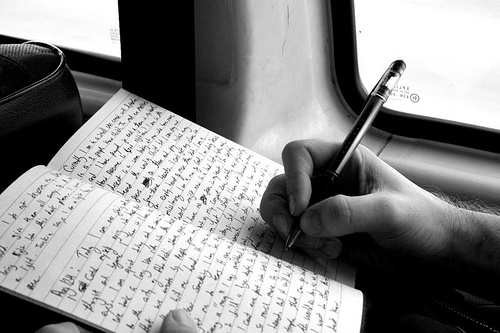
Journaling. I used to do a lot of it, but the demands of the past few years and my own shifting priorities have caused me to stop keeping such a detailed and in situ account of my daily life. So it was kind of a familiar novelty (to coin a term) to find myself keeping a daily journal again. Journal writing is liberating in that the pressure to have finished and connected thoughts is erased — at least for me. In this case, I was writing on a particular theme: my social interactions and the way those interactions did or did not actively engage my gender identity and sexual orientation. Yet I still felt that I could keep notes that were in bullet-point format, with sentence fragments and open-ended observations.

via

What were some of those observations?

I spend more time thinking and talking about sexuality than I do sexual orientation. A significant portion of the notations that I made in my journal had to do with conversations I had with friends, family, my therapist, my colleagues, people online, with authors (via reading their work), about human sexuality. I spend a significant portion of my waking time thinking about human sexuality because it’s one of those things that makes me happy to ponder. I did this before I found language to articulate my own sexual identity as such, and before I was in a sexually intimate relationship with anyone. I love that I move in circles where sexuality is part of casual conversation, and that our conversations are often intellectually stimulating, enthusiastic, and joyful rather than full of shame and angst. Yes, we all have emotional and physical struggles that sometimes need conversation to work through — but I’m grateful that that is only part of the discourse surrounding sexuality that I am a part of.

I don’t feel in physical or emotional jeopardy in the spaces I live, work, and move through around Boston. This is a complicated one with lots of layers of class, race, gender presentation, and the rest tangled up in it (as I observed in my first thoughts post). But keeping my journal these past three weeks reinforced the fact that there are no spaces in my daily life where I feel the need to self-censor the fact I’m in a lesbian relationship. My colleagues know, my family knows, our friends know, our bank knows, our doctors know. We hold hands on the walk to work, we doze on each others’ shoulders on the T, kiss goodbye when parting at our favorite coffee shops. We’ve never experienced anything stronger than a glare from a random passer-by (and even then, perhaps they were just having a bad day?). I don’t know if it would be different if we lived in West Michigan. I know when we visited Holland last spring I felt comfortable behaving in public the same way we do in Boston — but Hanna points out that I have a talent for ignoring negative vibes. So perhaps if we lived there full-time, we’d have more run-ins with homophobic weirdos. Like I said, I don’t know all the factors at work here — but I’m glad that our social experience has been so positive.

A significant part of my social interactions, particularly around sexuality themes, take place through reading and blogging. There were a number of entries in my journal that began with phrases like, “Received and advance review copy of … on trans* sexuality today” or “Wrote a blog post about forthcoming collection of erotica …” or “Finished writing 3K words of lesbian erotica …”. Outside of my professional writing and reading, a significant portion of my intellectual exploration right now has to do with sexuality — and a lot of that takes place in conversation (see observation one, above) and through reading articles, books, and blog posts, listening to podcasts, and engaging in discussion in comment threads. A lot of this is mutually reinforcing, since the more I read and review work in this area the more likely I am to get offers of advance review copies, virtual book tour requests, and other quasi-professional offers in a similar vein. I welcome these engagements with open arms because it’s stuff I love to talk and think about. I do think it’s note-worthy that I feel comfortable making this a quasi-professional part of my life, and that I feel comfortable pursuing it online in ways that are tied directly and openly to my actual identity.

And, as something that came to me toward the end of my journaling (though I’ve thought about it before), I get something out of existing on the margins of heteronormative society. That is, there are material ways, obviously, that Hanna and I (and our other non-straight friends) experience discrimination based on our sexuality, or relationships, and our gender expression. And I didn’t, obviously, choose to be attracted to Hanna because being in a lesbian relationship would be transgressive. I just desired her. But I made choices about following through on that desire, about building a life with another woman, and part of the reason is that I like living on the cultural* margins. I feel comfortable and energized here. I feel less claustrophobic. I feel like choosing to live my life in some basic, categorical ways that disqualify me from the norm give me freedom from other peoples’ expectations that I will conform to mainstream expectations of femininity, or American middle-class ambition, or heterosexuality. I think (and this is a very tentative hypothesis) that perhaps growing up home-educated, in an era when that was far from mainstream, primed me for feeling most at home in spaces that folks around me considered “weird.” And so I think I gravitate toward people who are willing to think and live outside the boxes. It feels familiar and it feels good to exist in that space.

I think that’s counter-intuitive for a lot of folks, who assume that non-normative relationships and/or a “weird” sexual identity would be cause for anxiety and stress. I remember the transition being somewhat stressful — going from thinking of myself as “mostly straight” to thinking of myself as bi/fluid/lesbian/queer. But it was actually an incredible relief in a lot of ways to feel I had legitimate feelings of attraction that would support moving into queer spaces and identifying that way socially. Because those spaces called out to me as welcoming psycho-social spaces for years before I felt I had enough evidence of my own sexual desire to claim them as my own. I know this sounds kinda backward to many folks for whom sexual orientation/identity works differently or more decisively. But for me, that seems to be path I needed to take.

I meet with Holly this evening to do a follow-up interview, based on my observations in the journal. If any new insights crop up during our conversation I’ll be back with “third thoughts” on this process.


*And I choose the word “cultural” deliberately here because I realize that the aspects of my self and my values which are marginal to the mainstream are largely self-chosen rather than imposed upon me. In terms of my race, my able-bodiedness, my socioeconomic status, etc., I’m far from existing on the material margins of American society.

booknotes: see me naked

30 Wednesday Nov 2011

Posted by Anna Clutterbuck-Cook in book reviews

≈ Leave a comment

Tags

gender and sexuality, religion, the body, thesis

One of the books I consulted for my thesis was Amy Frykholm’s Rapture Culture: Left Behind in Evangelical America (Oxford U.P., 2004). In Rapture, Frykholm traveled around the nation interviewing readers of Tim LaHaye’s Left Behind series, exploring the effect of rapture narratives in Evangelical culture. Frykholm — who grew up Evangelical and now attends an Episcopal church — studies her former subculture with a keen and empathetic eye. In her latest book, See Me Naked: Stories of Sexual Exile in American Christianity (Beacon Press, 2011), Frykholm turns to personal narratives of sexuality, embodiment, and Christian spirituality. The slim volume contains nine profiles of Protestant Christians struggling in various ways to integrate their physical, sexual selves with their concepts of Christian “purity” or righteousness.

As much as possible, Frykholm backs away from any larger-scale analysis in the interest of allowing her subjects to make meaning of their own lives. However, it seems clear that all of her interviewees have struggled to integrate their sexual selves with their theological beliefs. Some because they experience same-sex desires, some because they’re struggling to live up to demanding Christian ideologies of chastity or modesty, some because anything associated with bodily desires became the enemy.

One of my favorite essays was less about sexual activity or relationships, per se, than it was about our sense of embodiment and the sensual experience of being and expressing oneself in flesh. “Monica” recounts her experience of attending a life-drawing class while studying abroad — an experience that challenged her understanding of propriety and ultimately helped her re-evaluate her expectations of what beautiful bodies should look like and how women’s bodies should behave. At first repulsed by the normal-looking nude model (to the point where she almost dropped the class), Monica perseveres and eventually exhibits her drawings in the college library upon returning to her home campus:

Monica heard two things in the comments [about her art show]. She heard the same fear and revulsion that she had experienced in herself when first encountering the model. It was a disgust that human beings exist in this form … she also heard in the comments that Christianity and nakedness were incompatible — that somehow being clothed and being Christian were necessary to each other (84).

At that point in her own journey, Monica has grown enough to be critical of these assumptions, and by the end of the piece has challenged herself to volunteer as a nude model for community life drawing classes — an act of bravery that seems to be very intertwined with her developing sense of spiritual practice.

What I think may surprise non-Christian readers of these narratives is their familiarity: in many ways, the discomfort with embodiment is a malaise that is more American than Christian, though obviously practicing Christians will express their struggles in theological language. The individuals here struggle with unrealistic beauty standards, with the commercialization of sexuality, with questions of attraction and desire and what their bodies want versus what they’re being taught they should want by their parents, youth leaders, peers. The process of coming into one’s own bodily self and finding a voice for our desires is rarely an easy one, regardless of the faith tradition we’re raised in.

On the other hand, See Me Naked does put those struggles in a particularly Christian theological and social context, and illuminate some of the ways Christian language — particularly theology which seeks to construct rigid definitions of “right” and “wrong” sexual expression — fails believers. Reading stories about young women starving themselves to the brink of death in the name of “modesty” and young men told their interest in pornography was sinful, brought to mind the recent post, How Modesty Made Me Fat, by Sierra of No Longer Quivering in which she writes:

Modesty made me “fat” because it defined my relationship with my body in terms of appearance. Not action. Not gratitude. Not the joy of movement. Just appearance. It also defined my relationship with men as one of predator and prey. It was my job to hide from men so that their sex drive would lie dormant, like a sleeping wolf. But if that wolf ever awakened, it was not because it had been sleeping for a long time and its circadian rhythm kicked in, or it was just naturally hungry. It was my fault because I had done something to “bait” the wolf. Just by being visibly female, or by moving in “unladylike” ways. You cannot consider women full human beings unless you recognize that their lives do not revolve around the male sex drive. Modesty is a philosophy that dehumanizes. It incites constant fear and vigilance in one sex while excusing the other of all responsibility. It’s immoral.”

See Me Naked offers similar examples of the way in which our religious language falls perilously short in its ostensible effort to increase well-being for all. Naked tells stories of women starving themselves close to death for the sake of being pure, stories of women and men who feel lost when faced with the task of integrating queer attractions with their Christian faith, and stories of men who are taught to hate and fear their feelings of sexual desires as something inherently impure or incompatible with living a righteous life.

At the very end of See Me Naked, Frykholm does offer some reflections on an alternative ethic of sexuality, one that I think is worth contemplating whether or not you’re interested in the explicitly Christian language in which she couches her suggestions. “True, deep, real pleasure is an avenue to the Holy,” Frykholm writes. “Through discernment, wonder, and aliveness we will know what real pleasure is … and when we sense true pleasure, we will trust it and be able to act bodily in it and with it.” She recounts the counsel of a parent to her soon-to-be adolescent daughter, “Your body will know more pleasure than you can even now imagine. You are going through a period when your body is going to learn to feel pleasure, and you will be amazed” (176)  While I’d argue that children, too, have the bodily capacity to feel pleasure — though of a different kind than adults — I like this invitation to an emerging teenager to embrace that part of her growing-up. Too often, we’re quick to associate teenage embodiment with danger, not pleasure. As Frykholm says, “We all know that puberty, adolescence, adulthood are not solely about pleasure … But pain we know well. Pleasure we sometimes need help attending to” (177). Such an invitation crosses the boundaries of faith traditions and is a reminder to us all how much better we could be, as a culture, at living embodied and joyful lives.

Cross-posted at the oregon extension oral history project blog.

harpy fortnight: season of thanks

27 Sunday Nov 2011

Posted by Anna Clutterbuck-Cook in linkspam

≈ Leave a comment

Tags

harpyness

via

I’m finally getting around to posting a round-up of Harpyness posts for the first time since October 2nd. Sorry folks! But it’s actually been kinda a slow season for everyone over at TPoH, so the links haven’t been accumulating too fast. Here’s what I got for y’all:

  • I finished up live-blogging Jessica Yee’s Feminism For Real anthology with the following installments:
    • My Secret (a poem)
    • Mistakes I Didn’t Know I Was Making
    • My Journey to Indigenous Feminism
    • This Shit is Real
    • Finding Our Voice in the Mainstream Media Madness
    • and On Learning How Not to be an Asshole Academic Feminist
  • I wrote about travel yearning and nostalgia for place when hunting around in my photograph files made me unexpectedly miss living in Aberdeen with a vengeance.
  • I read and reviewed Tristan Taormino’s latest erotica anthology, Take Me There, which features trans* and genderqueer characters. I used the post to muse about the what I look for in my erotic fiction.
  • I invited folks to join me for National Novel-Writing Month and asked what other creative endeavors they enjoyed during their leisure time.
  • I shared the audio of NPR’s Talk of the Nation discussion of sexuality education.
  • I posted Jay Smooth’s TEDx talk on how to have constructive conversations about race and racism.
  • and I had a small rant about why folks who hate on social media as time-wasting activity are letting new technologies blind them to the way that people are continuing to connect with one another over the same everyday things we human beings probably always have.
I think blogging will likely continue to be sedate through the holiday season, as we all balance our personal, professional, and online priorities. As always, you’re welcome to hop on over to Harpyness to check out all the conversation in situ there.

thank yous: thesis edition

24 Thursday Nov 2011

Posted by Anna Clutterbuck-Cook in my historian hat

≈ Leave a comment

Tags

holidays, thesis

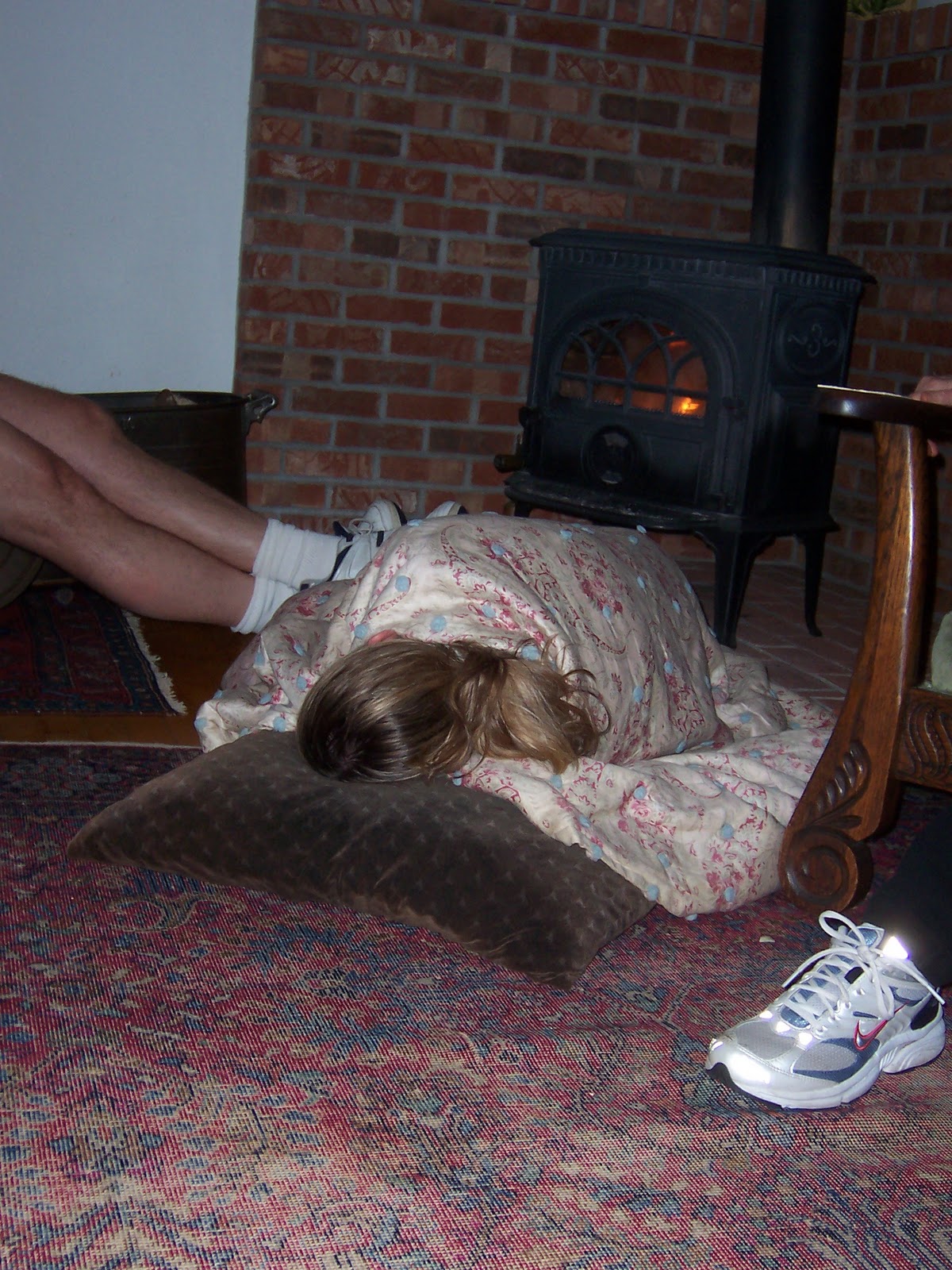
Maggie + wood stove (October 2004)
photograph by Anna

One of the most enjoyable parts of writing my Master’s thesis was pulling together the acknowledgments. Since it’s unlikely everyone who appears therein will read the thesis in full [PDF], I’m reproducing the acknowledgments here. 

It should go without saying this is far from everything I have to be thankful for this year, but it’s a damn good starting place. 

May your holiday weekend be peaceful and content, wherever and with whomever you may be.

As a reader, I often turn first to the acknowledgments when evaluating a book.  It is here that one gets a true sense of the solitary author working in a densely-woven web of social and intellectual relationships, one that often fades into the background with an author’s solitary byline.  For while it is accurate to say that I crafted this thesis myself, and that the analysis herein is my own, the thinking and writing I have done over the past three years would not have been possible without the myriad conversations, generous support, timely encouragement, articles and books shared by my friends, family, and colleagues. As my partner, Hanna, points out, “alone” is not the same as “lonely,” and although I have written this work alone, many, many people deserve the credit for making sure that I seldom felt lonely or worked in intellectual isolation.

O.E. class of  ’75

Without my oral historical narrators, of course, I would have no primary source material to analyze and thus no story to tell.  My gratitude belongs first and foremost, then, to Sam and Pat Alvord, Randy Balmer, Doug and Marj Frank, Mark Evans, Anne Foley, Alison and Phil Kling, Rebecca McCurdy, Sogn Mill-Scout, Paul Norton, Jim Titus, and Randy Wright for sharing their memories of the Oregon Extension and the contents of their personal archives.  Particular thanks are due to the folks at Lincoln for hosting me during my research trip in March, 2010, when we recorded the majority of our oral history interviews. Thank you also to Doug Frank and Sam Alvord giving me access to administrative records and personal papers from the early years of the program; to alumni Phil Kling, for sharing notes, papers, and other ephemera from his student days; and to Alison Kling and Jim Titus for generously sharing their photographs from the early years.

My thesis advisers, Laura Prieto and Sarah Leonard, have been invaluable and professional support throughout the research and writing process. It was my [admissions] interview with Laura back in July 2006 that convinced me I would be able to complete the research I had in mind under the auspices of Simmons’ History Department. She has been unfailingly supportive throughout my tenure at Simmons, giving my research notes and early drafts careful and insightful readings.  Any remaining weaknesses in my thinking and writing are, needless to say, my own responsibility. Sarah, meanwhile, deserves particular thanks for allowing me to hijack her seminar in Modern European History in order to write a paper on American psychologist Carl Rogers, one of the influential educational philosophers whose work inspired the Oregon Extension’s founders.  Her passion for intellectual history and the dedication with which she approaches her vocation are almost enough to make me reconsider the teaching profession.

Boston skyline across the Fenway Gardens
(December 2007)

I would like to remember the late Allen Smith who developed and taught a course in oral history at Simmons Graduate School of Information and Library Science, and whom I was privileged to study under during his final semester of teaching. His work at Simmons College paved my way with the Institutional Review Board, whose familiarity with oral history research saved me the anxiety and frustration many oral historians face when applying to do human subject research. I also wish to thank Gail Matthews DeNatale, oral historian and former faculty member at Simmons, whose experience and advice helped to shape my thesis proposal in its early stages.

Reaching backward in time to my undergraduate years at Hope College, I wish to recognize my colleagues on the Aradia Research Project, as well as the Aradians themselves, who served as my hands-on introduction to feminist-minded oral history and ethnographic research and who encouraged my enduring interest in the experience of those who live in intentional community.

The outstanding faculty of my alma mater, Hope College, were in many ways responsible for taking the enthusiastic autodidact I was at age seventeen and encouraging me to direct and hone that passion into something I could honestly consider a craft and a vocation. Poet and creative writing teacher Jackie Bartley first opened the door to creative nonfiction to me, suggesting that dedicated research and analytical writing could use the power of the particular to connect us to the universal.  It was Jackie who first suggested I consider attending the Oregon Extension. Thanks is also due to Lynn Japinga for introducing me to oral history methods during a summer spent transcribing her oral history interviews with Reformed Church clergy, as well her determination to offer classes in feminist theology in an often-hostile academic environment. Without her introduction to religious history, I might not have paid such close attention to the nuances of
religious thought and practice at Lincoln. My undergraduate adviser, historian Jeanne Petit, taught my first history class (20th Century American Women’s History) and was the first to suggest I consider graduate school. She has since become a colleague and a friend. I must also extend my gratitude to Natalie Dykstra for her friendship and enthusiasm, for her love of Boston, and for teaching a course on autobiography that was – hands down – one of the most electrifying intellectual experiences of my college career. Her training in the interpretation of personal narratives has stood me in good stead throughout the research and writing of this thesis.

Former colleague Jeremy Dibbell
(December 2007)

I must recognize my colleagues at the Massachusetts Historical Society, particularly past and present members of the Library Reader Services department, who have been unblinking in their support of my research – including covering for me while I spent two weeks out West doing fieldwork. It is impossible to say how grateful I have been these past four years to work at an institution that recognizes my labor as an historian as well as a reference librarian.

I would like to thank colleague Aiden Graham for offering to loan me recording equipment, and for timely technical advice including helping me figure out how to wiretap my phone for long-distance interviews. Thanks, also, to Linnea Johnson and the GSLIS Tech Lab for the loan of a netbook that would otherwise have cost me hundreds of dollars this poor graduate student didn’t have.  The Simmons College Student Research Fund, likewise, awarded me a travel grant that helped alleviate the financial burden of my fieldwork in Oregon. Valerie Beaudrault’s assistance in the Office of Sponsored Programs ensured that my application for funds was complete and submitted in a timely fashion.

My father and mapmaker extraordinaire, Mark Cook, is responsible for the beautiful customcreated maps that grace the pages of this thesis: without him, my visual representations of the Oregon Extension as a geographic place would have been awkward and, in all likelihood, inaccurate. My mother, too, has my undying gratitude for first introducing me to the work of John Holt, Ivan Illich, A.S. Neill, and other activists in the free school movement of the 1960s and 1970s, as well as to the history of intentional communities and their intersection with child-rearing and educational practice. Moral and intellectual support and good-humored camaraderie came in full measure from two founding members of the Secret Feminist Cabal, Ashley Minerva LeClerc and Laura Cutter, and from fellow oral historian, kick-ass librarian Diana Wakimoto. Y’all rock.

A slightly different form of support came from Geraldine, the feline member of our household, who took a keen interest in my work and sat on my notes, on the keyboard, and occasionally on my hands in order to ensure that work never took precedence over chin-scratching and the dispensing of kitty treats.

Finally, a few words for Hanna, who stoically endures my mania for American countercultures, Christian subcultures, and the history of utopian thought. Thanks for flying solo for two weeks while I was off collecting interviews in Southern Oregon, for taping useful PBS documentaries, for forwarding promising book reviews, for teasing me about garish 1970s cover art. Thanks for the proof-reading, the cheer-leading, the bottomless supplies of tea, wine, and baked goods. Thank you for letting me cry on your shoulder and for pointing out (quite rightly) that if I didn’t finish this project I would always wonder.

Thanks for helping me keep it all in perspective.

I moved to Boston in 2007 to write this thesis, not fall in love. I found you here, sweetheart, so in the end I did both.

nano update: week three

22 Tuesday Nov 2011

Posted by Anna Clutterbuck-Cook in fandom

≈ Leave a comment

Tags

fanfic, writing

I’m closing in on my own personal goal of 25,000 words for the month of November, folks! On this Tuesday before Thanksgiving, my official count is 18,444 and the only thing standing between me and completion is the complete sixth season of Doctor Who (I KNOW) and a Tofurky with orange-cranberry relish.

I had Hanna beta the impromptu Breakfast in Bed Challenge from last week and posted that to AO3 on Friday night, so you can go read All That the Garish Week Hath Scattered Wide if you want canoodling and nakedness and a pesky cat.

The five-times-plus-one fic is done but for the second half of the sixth part, which Hanna said on the walk to work yesterday was much to complicated a math problem for early in the morning. With the NaNo word-count whip behind me, it’s by far the lengthiest installment of my Sybil/Gwen series to-date. But I also happen to be rather fond of it, and the plottish bit finally, finally gets them to London which is definitely where I wanted the series to take them.

Hanna has requested that I create Branson a boyfriend, since I’ve taken Sybil away from him. So that will obviously have to be done at some point. My first foray into m/m erotica? We’ll find out the limits of my smut-writing abilities!

chai rose water cookies

19 Saturday Nov 2011

Posted by Anna Clutterbuck-Cook in our family

≈ Leave a comment

Tags

domesticity, food, michigan

Last May when Hanna and I were in Holland (Mich.) I ordered a drink at lemonjello’s that was a chai latte with a shot of rose flavoring. Heaven on earth. The problem is, rose flavoring is a rare offering at coffee shops and not the sort of thing that’s easy to find at grocery stores, even a number of our favorite specialty shops here in Boston. But this morning Hanna and I were in Harvard Square for coffee and window shopping + actual shopping and I found rose water at the fabulous Cardullo’s. So tonight we decided to make cookies using rose water, and found the following recipe on the Food Network website. We followed it with slight tweaks, so here is the altered version:

Ingredients

2 cups all-purpose flour
2 teaspoons ground ginger
2 teaspoons baking soda
3/4 teaspoon ground cardamom
3/4 teaspoon ground cinnamon
1/4 teaspoon freshly ground black pepper
1/2 teaspoon salt
1 cup packed dark brown sugar
1/2 cup (1 stick) unsalted butter, room temperature
1/4 cup canola oil
1 tablespoon rosewater

Instructions


Pre-heat oven to 350 degrees Fahrenheit

1) Combine flour and spices in a bowl and set aside.

2) Cream butter and oil and brown sugar, mix in rose water.

3) Add dry ingredients 1/2 cup at a time until fully incorporated. Cookie dough will be crumbly, like a dry pie crust dough.

4) Use hands to form walnut-sized balls of dough and place on a cookie sheet roughly 2 inches apart.

5) Bake for 15 minutes and use spatula to transfer cookies to wire rack for cooling.

Serve with warm milk and/or chai tea.

congratulations doctor jay!

18 Friday Nov 2011

Posted by Anna Clutterbuck-Cook in our family

≈ 1 Comment

Tags

education, friends, holidays

Joseph Tychonievich, Ph.D.
(taken May 2005, wearing my hat)

Earlier today, my friend Joseph successfully defended his PhD dissertation in horticulture, plant breeding, and plant genetics before his advisory committee at Michigan State University. We’re drinking a fine zinfandel tonight in his honor. Congratulations!

Verbena bonariensis with bronze fennel
photo by Joseph
← Older posts
Newer posts →
"the past is a wild party; check your preconceptions at the door." ~ Emma Donoghue

Recent Posts

  • medical update 11.11.22
  • medical update 6.4.22
  • medical update 1.16.2022
  • medical update 10.13.2021
  • medical update 8.17.2021

Archives

Categories

Creative Commons License

This work by Anna J. Clutterbuck-Cook is licensed under a Creative Commons Attribution 3.0 Unported License

Meta

  • Create account
  • Log in
  • Entries feed
  • Comments feed
  • WordPress.com

Create a free website or blog at WordPress.com.

  • Subscribe Subscribed
    • the feminist librarian
    • Join 37 other subscribers
    • Already have a WordPress.com account? Log in now.
    • the feminist librarian
    • Subscribe Subscribed
    • Sign up
    • Log in
    • Report this content
    • View site in Reader
    • Manage subscriptions
    • Collapse this bar