• anna j. clutterbuck-cook
  • contact
  • curriculum vitae
  • find me elsewhere
  • marilyn ross memorial book prize

the feminist librarian

the feminist librarian

Author Archives: Anna Clutterbuck-Cook

30 @ 30: on vacation [#11]

19 Wednesday Oct 2011

Posted by Anna Clutterbuck-Cook in life writing

≈ Leave a comment

Tags

thirty at thirty, travel, work-life balance

So last week Hanna and I took a few days vacation around the long Columbus Day weekend. Back when I asked for the time off from work — I think sometime in mid-June — I had the vague idea we might have the energy and disposable income to spend a few days in Vermont, just the two of us. We like Vermont. But hotels are expensive, and car rentals are expensive, and someone has to look after the cat, and even if none of that had been an obstacle what it turned out we both kinda sorta really wanted to do with our five days of not working was stay at home and do nothing.
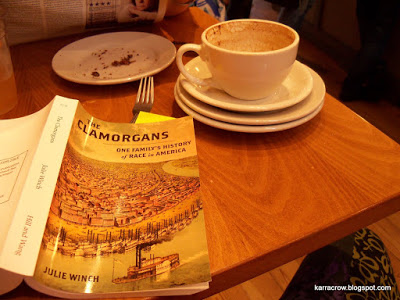
Breakfast at Crema Cafe (Harvard Square, Cambride, Mass.), July 2011,
photo by Anna.

Well, not nothing. We spent a lot of time being cosmopolitan and sitting in coffee shops reading and drinking espresso and cafe au lait and eating brioche.

We were brave and tried walking somewhere new — out to Mount Auburn Cemetery in Cambridge — which is the first landscaped cemetery in America, consecrated 1831, and had fun taking pictures of headstones.

Anna checks the map in Mt. Auburn Cemetery, October 2011,
photo by Hanna.

We read about Charles Darwin and Hillbilly Patriots and biopolitics.

We applied (and were accepted!) to become reviewers for Library Journal.

We wrote fan fiction about Dean Winchester and Castiel and about Sybil Crawley and Gwen.

We had a friend over to watch (a disappointing installment of) Inspector Lewis and baked a pumpkin pie.

Apple pie and beer, October 2011,
photo by Anna

We stayed up until midnight and slept in until quarter of nine in the morning.

We took afternoon naps on the living room couch.

When I returned to work on Thursday my colleagues asked how the vacation was and did we go to Maine. “Actually,” I confessed, “We stayed at home and made no plans and that was exactly what we needed.” My co-workers were totally on board with this idea.

What struck me last week as I was thinking about our approach to this latest vacation is how it is the complete opposite of how I understood vacations as a child. When I was young, the above activities (except for naps, since I was not a nap-taker) would basically have described my everyday life. Stay up late reading, wake up to muffins or pancakes around ten, do more reading, maybe go for a walk or a bike ride, ram around outside with siblings or friends for a few hours, go back to reading, maybe some food at some point, a trip to the library.

Pippi Longstocking and Mister Nielsen
via

There’s a great story in one of the Pippi Longstocking collections in which Pippi (in my child’s mind possibly the ur-homeschooler) becomes jealous of her friends Tommy and Annika because they get summer holidays and Christmas vacation at school. She figures if she attends school then she, too, will get the holidays that her friends seem to enjoy. Obviously her attempt to become a “normal” child is short-lived and the moral of the story is that she’s really better off living her own kind of life and doing what she wants to do rather than trying to be someone she’s not. As a kid, I thought this story was hilarious because it was obvious (to me) that not going to school meant that you could have “vacation” (that is, school-free days) all the time.

Storm clouds over the horizon (Bend, Oregon), March 2007
Photo by Anna

As a child, vacation-vacation meant travel. We went on vacation every spring to a tiny cinder block cottage on the shore of Lake Michigan, where we got to sleep in bunkbeds (!), toast marshmallows over the bonfire (!!), spend all day wet and sandy on the beach, and poke at antlion sand traps with twigs.

As a child, vacation-vacation meant flying to Bend, Oregon, for a month to stay with my grandparents and explore the high desert. It meant taking the overnight train from Bend to San Francisco to visit our aunt and ride the trolley cars. It meant my first solo trip by airplane to spend a month of summer with a friend of mine who grew up on Vancouver Island, British Columbia.

As a child, vacation meant, in the immortal words of Toad, “The open road, the dusty highway, the heath, the common, the hedgerows, the rolling downs! Camps, villages, towns, cities! Here to-day, up and off to somewhere else to-morrow! Travel, change, interest, excitement!”

Vacation sometimes still means travel, now that I’m an adult, but of course travel now requires effort in a way that it didn’t when I was small. As a child, I remember being responsible for, you know, creating a travel journal and some sort of packing list. Preparation for trips meant reading novels set in the locations where we’d be traveling, and saving up spending money for souvenirs. I didn’t have to worry about such pesky details as driving routes, airplane tickets, hotel reservations, and train schedules.

Drover’s Inn, West Highlands, Scotland, May 2004
Photo by Mark Cook

Not that trip planning can’t be fun — sometimes planning travel (as Alain de Botton once observed) is more than half the fun. I remember the thrill of being in my teens and developing enough independence that I could plan and execute solo vacations (perhaps the topic of another “thirty at thirty” post). But I find, as an adult, that travel is no longer synonymous with vacation the way it once was. Instead, the two have developed along often-overlapping yet distinct pathways in the geography of my (our) life.

Travel usually must take place during vacation, but is not the whole of it.

I think in my thirties I would like to develop more fully the art of non-travel vacation time. I don’t want to be one of those people who needs to go off to the White Mountains with no laptop or cell phone in order to stop checking my work email. And I don’t want to fight the persistent, nagging feeling that I had during graduate school that time spent not working should translate into time spent doing other “productive” activities, the sort of activities that “count” in whatever complex internal matrices of value I have constructed for myself.

I think my parents, what with the home education and through continuous personal example, have given me some good tools for this. The experience of home education really blew open the myth that unstructured time isn’t worthwhile, and similarly gave me the distance from mainstream expectations needed to respond to all assertions of value or non-value with an interrogative “why?” So doing nothing in lazy? Why? So in order to be a valuable citizen you need to be “productive”? Why? What is productive? Who says? Why should I believe them? Convince me.

Take your time off from the “have tos” of daily adult life seriously, people. I know some of us have more luxury to do this than others — believe me, I never realized how amazing paid vacation  can be until I started earning it — but I hope that everyone in our productivity-obsessed culture can learn to appreciate the art of down time a little bit more. In ourselves, and in others.


multimedia monday: "but mary his mother she nurses him / and baby jesus fell back to sleep"

17 Monday Oct 2011

Posted by Anna Clutterbuck-Cook in media

≈ Leave a comment

Tags

breastfeeding, children, moral panic, multimedia monday, television, web video

When we were small, my mother sang us an alternate version of the Christmas carol “Away in a Manger” because we were upset by the factual error of a baby who supposedly didn’t cry (being the eldest of three, I knew what a lie this was). In our version, Away in a Manger went like this:

Away in a manger,
No crib for His bed
The little Lord Jesus
Laid down His sweet head
The stars in the bright sky
Looked down where He lay
The little Lord Jesus
Asleep on the hay
The cattle are lowing
The poor Baby wakes
And little Lord Jesus
What crying he makes
But Mary his mother
She nurses him
And baby Jesus
Falls back to sleep
Needless to say when I joined the Holland Area Youth Chorale as a teenager and tried to insist on singing the song my way it didn’t go over so well. Not just because it was “non-traditional” but because there was nursing! And probably some blasphemous implications that baby Jesus wasn’t a perfectly angelic being.  But also nursing! (This was the same youth chorale that had issues with the word “breast” in a song about a robin. As in the bird.)

Our contemporary, American culture is so freaked by breastfeeding and I don’t really get it. I’ve known enough folks for whom nursing didn’t work that I know better than to be all “breastfeeding is the only responsible way to feed your infant” about it. But I also don’t understand the politics of disgust and outage that surround nursing in public places.  What is particularly fascinating is to realize how recent a development this is (or rather, how recently the pendulum has swung back from the free-to-be-you-and-me 1970s). Gwen Sharp @ Sociological Images posted clips from Seseme Street recently that depicted women matter-of-factly nursing infants on screen. Here’s one of them:

hip hip hooray for the birthday girl!

14 Friday Oct 2011

Posted by Anna Clutterbuck-Cook in our family

≈ Leave a comment

Tags

family, holidays

Coming out of self-imposed radio silence to wish my kid sister a Happy 24th Birthday today! I have it on good authority (er, her own) that she will be celebrating at one of these three tasty-sounding restaurants down in Austin, Texas.

Maggie (November 2008)

Many happy returns of the day and, yes, your birthday present is, actually, on its way through by pony express. You should see it out there on the frontier sometime before Christmas.

Love, your sister,
Anna

on vacation [back next week]

09 Sunday Oct 2011

Posted by Anna Clutterbuck-Cook in our family

≈ Leave a comment

Tags

blogging, domesticity, hanna, work-life balance

Hanna and I are taking some time off this week to enjoy autumn and make space for a stay-at-home vacation for just the two of us. So I won’t be posting my regular round of posts this week, but never fear! I’ll be back on the 17th and up to my usual shenanigans.


Middlesex Fells Reservation (October 2007)

 I’ll be back with news of this year’s NaNoWriMo, book reviews, more installments of thirty at thirty and silly cat pictures per the usual. Until then, hope you all have a lovely Columbus Day weekend and week ahead.

happy adoption day!

08 Saturday Oct 2011

Posted by Anna Clutterbuck-Cook in our family

≈ Leave a comment

Tags

cat blogging, domesticity, holidays

One year ago today, Geraldine came to stay with us. This was the first thing she did after recovering from the car ride by peeing under the bed:

It’s still one of my favorite kitty photographs, and one of Geraldine’s favorite lookout spots.

Over the passed year Gerry has gone from being a cranky and standoffish cat to being a cranky and invasive-of-personal-space cat. She’s still only grudgingly a lap cat — and even then only for very short periods of time — but nevertheless manages to be very present in our lives whether it’s underfoot while we’re making human food in the kitchen (you never know when kitty food might fall from the sky!) or hogging half the couch (it might be a three-cushion couch, but is clearly only made for one human + cat) or announcing her desire for breakfast at two in the morning by climbing onto my chest and delicately pressing her claws into the hollow between my breasts.


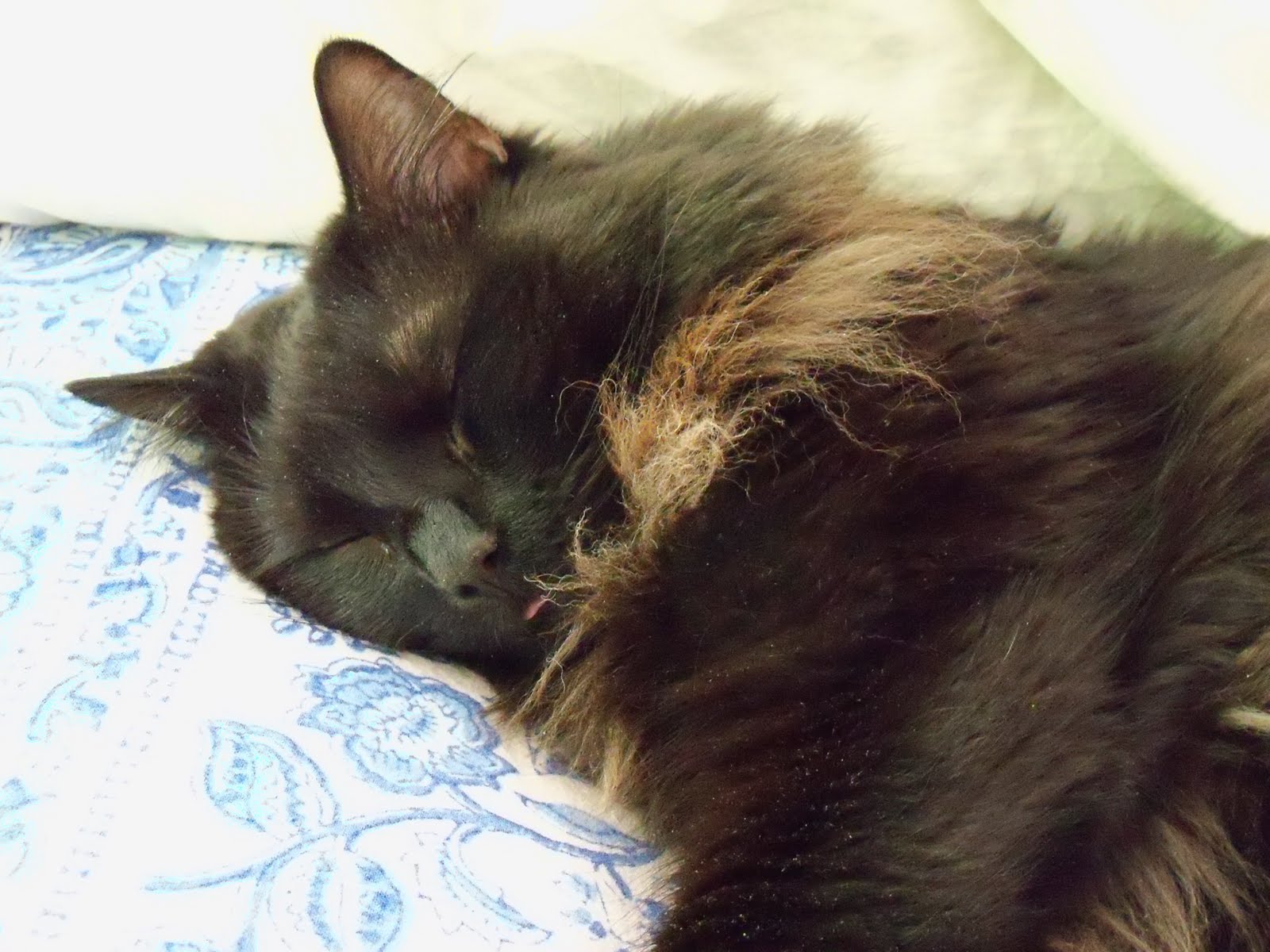
sleepy kitty (photo by Hanna)

 There are times — usually during said 2am “feed me! play with me!” sessions — that I feel having a three-year-old cat is much closer to having a human three-year-old than Hanna ever thought we’d be. Albeit a three-year-old that doesn’t need us to be able to afford childcare or a stay-at-home parent! But (much like, I imagine, like parenting … though obviously to a lesser degree) she’s become an integral part of the family. We’re ever so glad she came to stay.

ficnotes: in the beginning there was the word [massive fic round-up]

07 Friday Oct 2011

Posted by Anna Clutterbuck-Cook in fandom

≈ Leave a comment

Tags

fanfic, links list

I started this post a few weeks ago, when Hanna found a Mycroft/Lestrade fic written entirely in fictional texts. One word: Adorable. This got me thinking about a number of other fics (“Mystrade” and otherwise) that have used love letters, texts, electronic communications, poetry, and the old-fashioned love-letter as means for their characters to finally, finally connect the dots.

So as my gift to you for this three-day weekend, here’s my round-up of fic that uses text-based communication as the wooing-method-of-choice. I threw in a few biblio-centric fics because, well, how could I not?

via

Title: Told In Texts
Author: et_cetera55
Pairing: Mycroft/Lestrade
Rating: PG-13
Why should you bother?: This is the fic Hanna found — the rare story told entirely in dialog (er, text messages).

Title: TBA
Author: blooms84
Pairing: Mycroft/Lestrade
Rating: Gen
Why should you bother?: Notebook!porn is all I’m sayin’.

Title: In which Anthea is helpful and Sherlock discovers the truth
Author: blooms84
Pairing: Mycroft/Lestrade
Rating: Gen
Why should you bother?: Part of the “Anthea Takes Control” series, which is enjoyable in its own right. I’m growing to enjoy the subgenre of “Sherlock reaction” fics that belong to the Mycroft/Lestrade fandom. Plus Anthea-is-a-ninja is always a joy to behold.

Title: Please Confirm You Are a Human Below
Author: mesmiranda
Pairing: Mycroft/Lestrade
Rating: PG
Why should you bother?: Mycroft courts Lestrade by taking control of various technological interfaces and also competes for attention from the DI with Lestrade’s cat.

via

Title: and stand there at the edge of my affection
Author: coloredink
Pairing: Sherlock/John
Rating: Gen
Why should you bother?: Sherlock thinks asking John to help him write a love letter is the logical solution.

Title: Pieces of Eight
Author: sheffiesharpe
Pairing: Sherlock/John
Rating: Explicit
Why should you bother?: Sherlock doesn’t understand why John enjoys re-reading Treasure Island and tries to get John to explain. Things take a turn for the decidedly-less-literary. It’s still bibliophile porn, though.

via

Title: Doing Things the Old Fashioned Way
Author: Sarren
Pairing: Lewis/Hathaway
Rating: Mature
Why should you bother?: Hathaway helps Lewis set up an online dating profile which leads to questions of sexual orientation and, well, other things. “Well, I guess they could fill out two profiles,” Hathaway said, his voice oddly neutral. “Is that what they want me to do for them?”

Title: Punctuation Series
Author: dogpoet
Pairing: Lewis/Hathaway
Rating: Gen, Explicit (six parts)
Why should you bother?: The summary for the first fic reads, “He’d never even noticed apostrophes before he met Hathaway.”

via

Title: Texts From Last Night: A Ridiculous SPN Text Comedy
Author: Xela
Pairing: Dean/Cas
Rating: Mature
Why should you bother?: A series of drunk texts from Dean leads Sam on a morning-after hunt for his brother and Castiel …

Title: Comment Fics: “Untitled Dean/Cas” and “Wrong Number”
Author: twfftw
Pairing: Dean/Castiel
Rating: PG-13
Why should you bother?: twfftw’s fics are hilarious, usually Dean/Castiel relationship fics from the point of view of a long-suffering Sam. In “Untitled Dean/Cas” Sam and Gabriel text back and forth about how clueless Dean and Cas are about their desire for one another. In “Wrong Number,” Dean sends a text to Sam that seems meant for someone else …

Title: Things Dean Winchester Loves
Author: everysecondtuesday
Pairing: Dean/Castiel
Rating: R
What should you bother?: Because of Castiel’s indecision re: whether Dean loves the Impala or pie more, and how Dean answers the question when he finally finds the list and adds his own commentary.

Title: Four Things Not to Do With a Cell Phone
Author: the_trepverter
Pairing: Dean/Castiel
Rating: PG
Why should you bother?: “Technology is so very frustrating to Cas.”

Title: Bible Study
Author: Misachan
Pairing: Dean/Castiel
Rating: Explicit
Why should you bother?: Um … it’s Castiel seducing Dean over the phone using the Song of Songs. What’s not to like?

Title: The (Mostly) Accidental Courtship of Dean Winchester
Author: everysecondtuesday
Pairing: Dean/Castiel
Rating: R
Why should you bother?: Okay, so I cheated a little with this one in that it’s not exactly text-based communication. But Cas tries to communicate with Dean via translating angel texts for him. It’s not his fault that Dean doesn’t get the hint, is it?

via

Title: Paper Monsters [work-in-progress]
Author: Clocks
Pairing: Charles Xavier/Erik Lehnsherr
Rating: Explicit
Why should you bother?: Because Charles gets fucked in the library up against the selected works of H.P. Lovecraft.

Title: Perfection
Author: orange-crushed
Pairing: Charles Xavier/Erik Lehnsherr
Rating: PG
Why should you bother?: When Erik struggles with nightmares, Charles reads him Origin of Species to soothe the night terrors away.

there is no femslash on this list (argh!)
but I promise to write some about these two soon!

And if fic is your thing, a reminder that Hanna and I — along with our other fic-loving friends — have our fanfic tumblr everything is gay and nothing hurts up and running. This week’s theme was kittens! So if you want regular fanfic recommendations, please stroll on over and join the party.

our bodies, ourselves @ forty (+ me!)

05 Wednesday Oct 2011

Posted by Anna Clutterbuck-Cook in my historian hat

≈ 5 Comments

Tags

being the change, gender and sexuality, history, human rights, the body, whoniverse

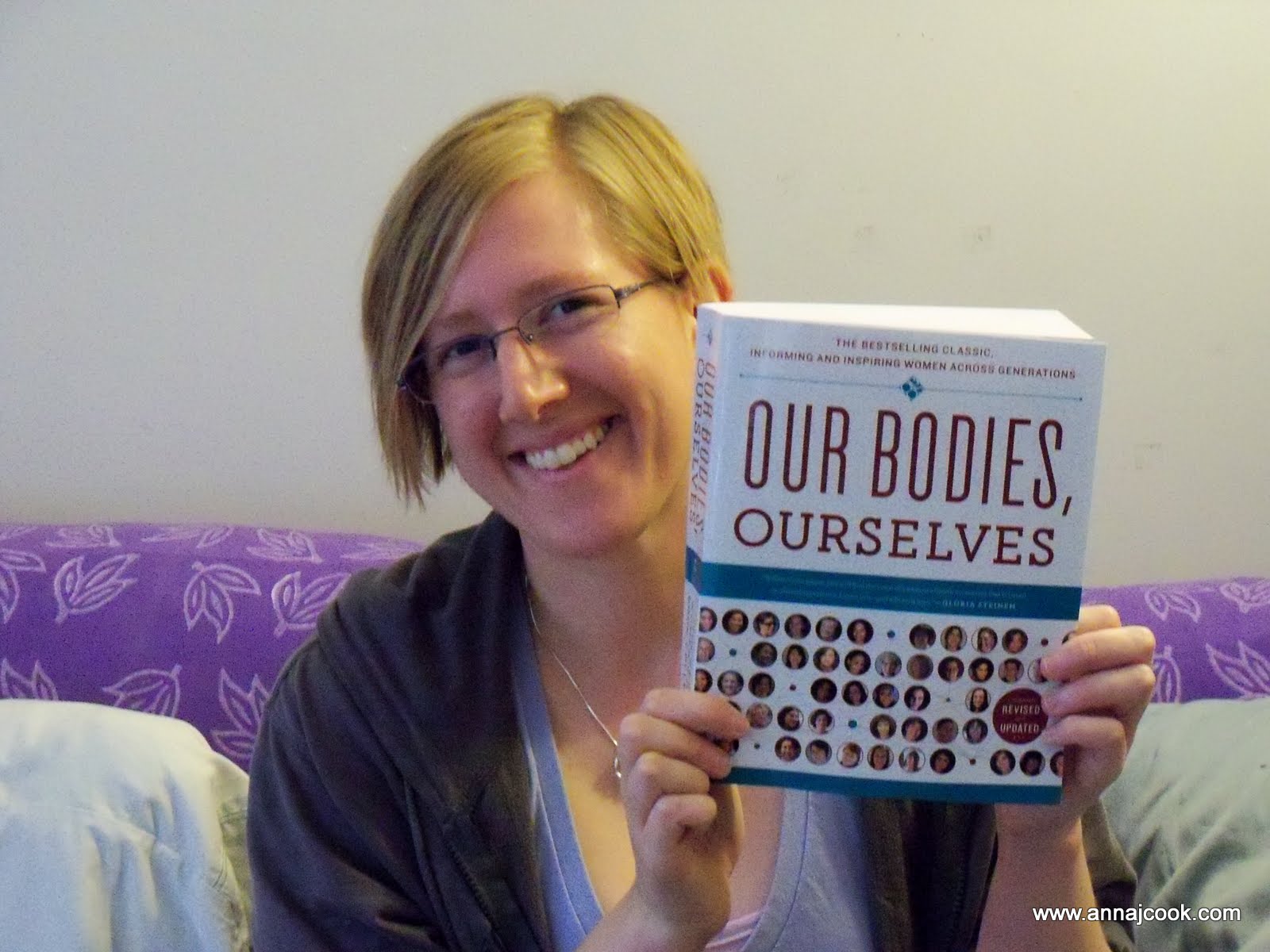
(photo by Hanna)

The feminist classic, Our Bodies, Ourselves, turns forty this year and has just been issued in a revised edition that was multiple years in the making. How do I know this? Because I got to be a part of the process! Long-time readers might remember when I posted a call for participants in the revision process back in January 2010. Well, in addition to broadcasting the call I also submitted my own name to the editors and was invited to join them in a virtual focus group discussion on intimate relationships. This conversation eventually turned into the “Relationships” chapter in the new edition, and many of the passages that didn’t make it into that chapter have been used in other sections — I found bits and pieces from my contributions in the chapters on sexual orientation and on sexuality, for example.*

my contributor’s copy, signed by the editorial team!
(photo by Hanna)

I don’t think I can adequately convey to you how proud I am to be a part of the OBOS project. My mother’s battered copy of Our Bodies, Ourselves was my constant companion through adolescence and, among other things, was my first exposure to explicitly feminist analysis, my first exposure to the idea of same-sex relationships, and my introduction to masturbation and how to do it. One of the first things I did when I moved out to Boston in 2007 was to visit the Schlesinger library at Radcliffe and browse the records of the Boston Women’s Health Book Collective — the group that put together the first mimeographed edition of OBOS back in 1970. It’s an incredible honor to have had the opportunity to add my perspective to the myriad other voices that have been part of this international endeavor throughout the past forty years.

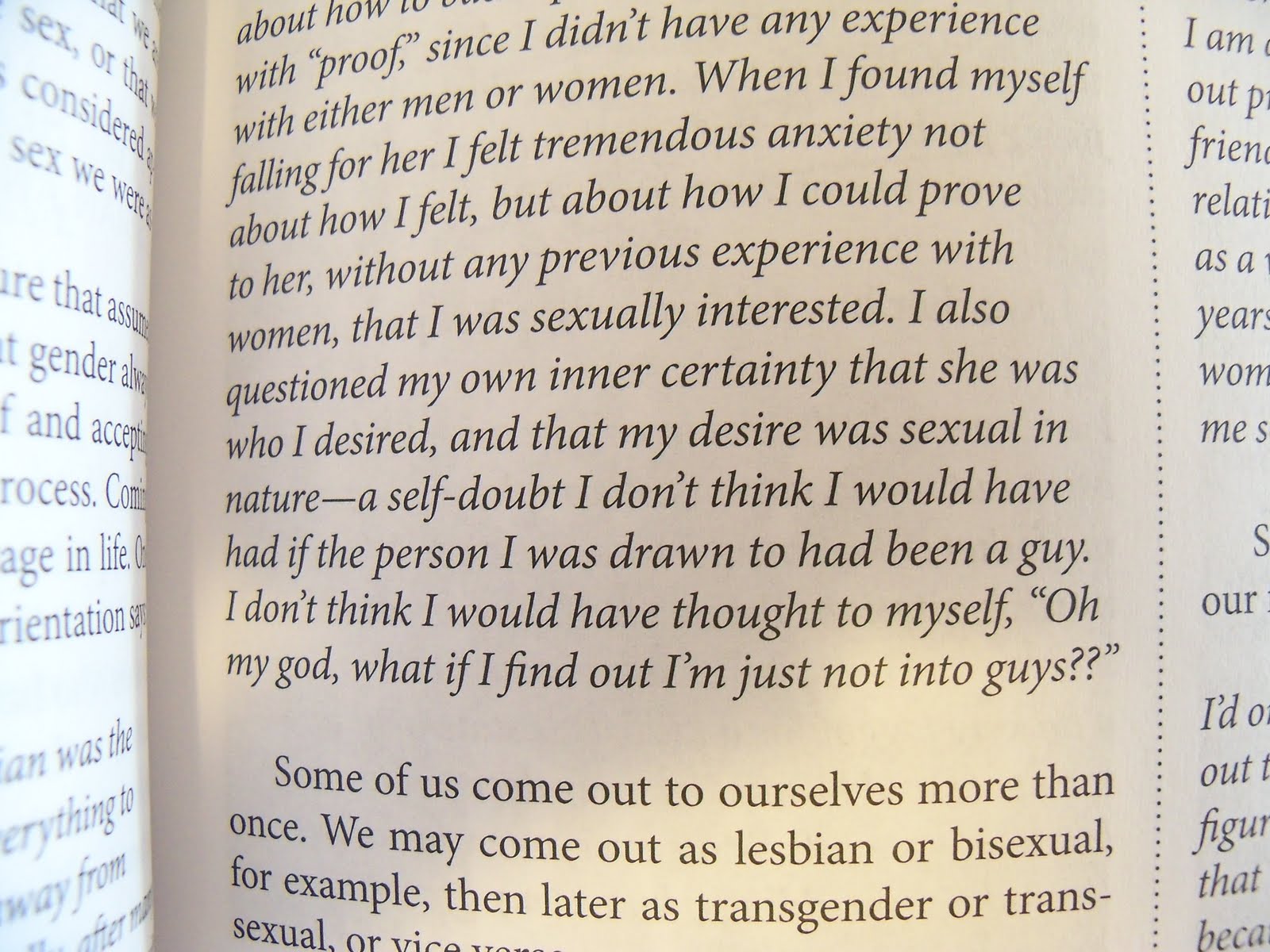
It’s so strange to see your own words on the printed page…

This past Saturday, women from around the globe gathered here at Boston University for a symposium in honor of the new edition. I wasn’t able to make the gathering because of a scheduling conflict (and, frankly, because it sounded like a long day with too many new people to make small talk with!) … but I’m looking forward to checking out the web video of the talks once those go up online. If/when they become available, I’ll be sure to post a link here!

Here’s hoping that OBOS (and I!) will be around in another forty years to celebrate eighty incredible years of women teaching and learning one another about their bodies, their sexuality, their relationships, their values, and their lives.

Update: Thanks to OBOS for mentioning this post in their introduction to the Relationships chapter online! Welcome to anyone who’s come to visit the feminist librarian via their link. You are most welcome.

*It’s standard OBOS practice to keep all of the in-text quotations anonymous in order to protect contributors’ privacy. For the “Relationships” chapter we all chose pseudonyms; if you know me and you care to figure it out you’ll be able to identify me through my bio at the beginning of the chapter.

from the neighborhood: shirley moves to maine

03 Monday Oct 2011

Posted by Anna Clutterbuck-Cook in our family

≈ Leave a comment

Tags

from the neighborhood, maine, outdoors, photos, travel

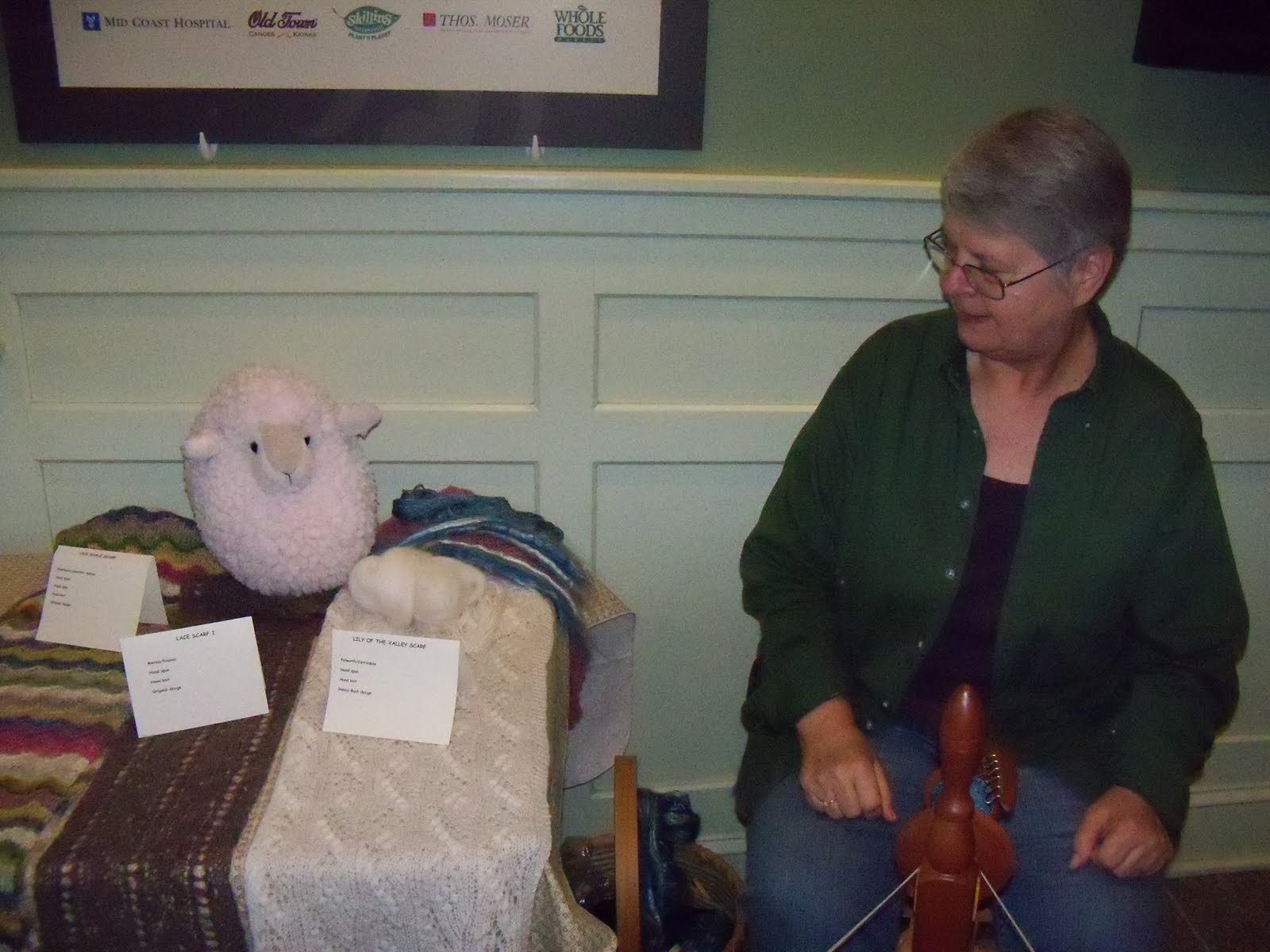
This passed Saturday, Hanna and I drove up to the Coastal Maine Botanical Gardens to visit with her mom and dad. Linda was exhibiting at the Maine Fiber Arts Showcase. It was a rainy afternoon, but luckily the fiber arts event was inside the visitor’s center.

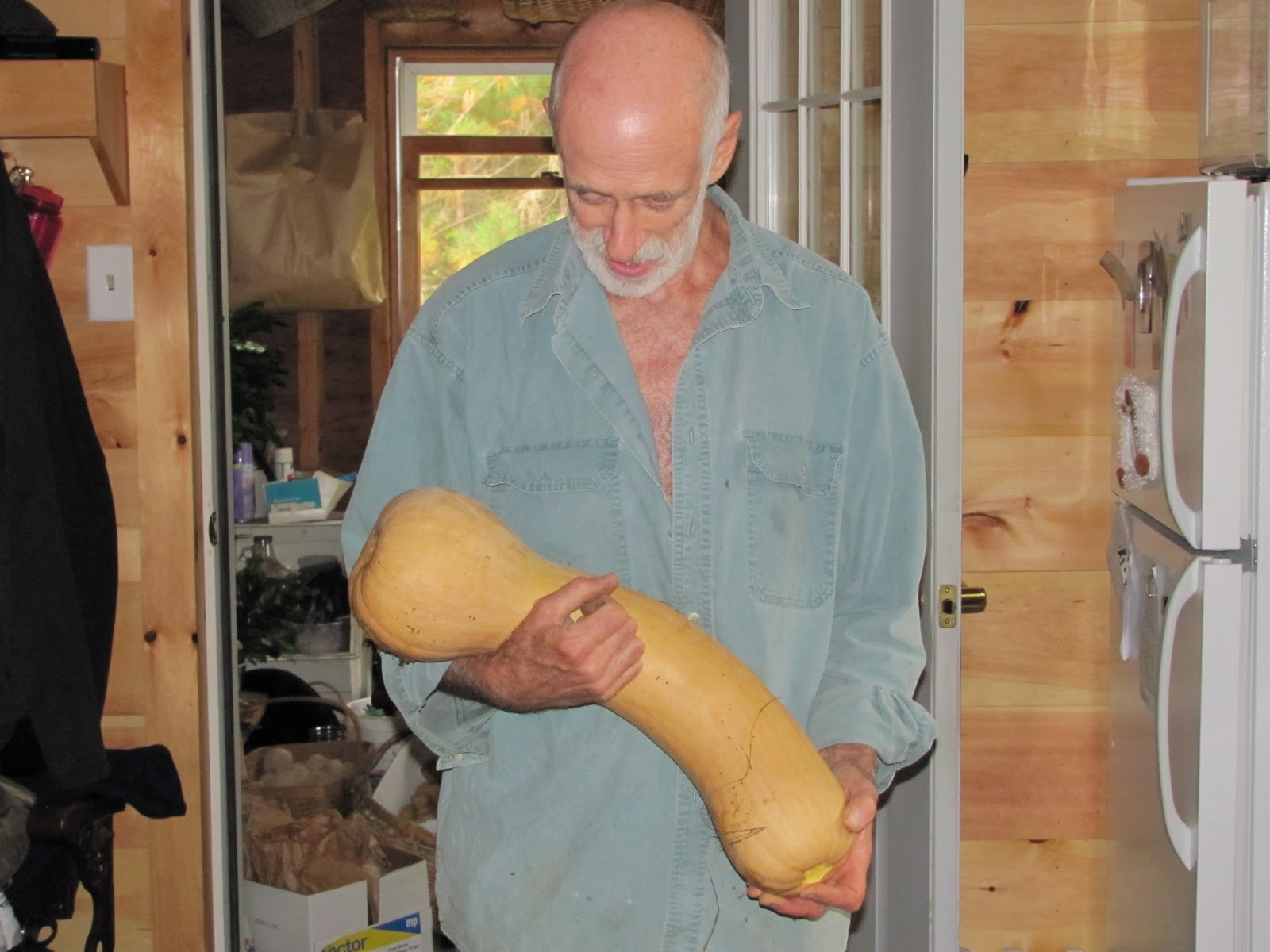
As usually happens when we visit with Hanna’s parents, we drove north with things to give/return to them and they met us with more things for us to take south again … a new sweater for Hanna, the tam that Linda knit me for Christmas and finally blocked, and what Hanna has termed “the rudest thing ever”:

Kevin with the rude squash (photo by Linda)

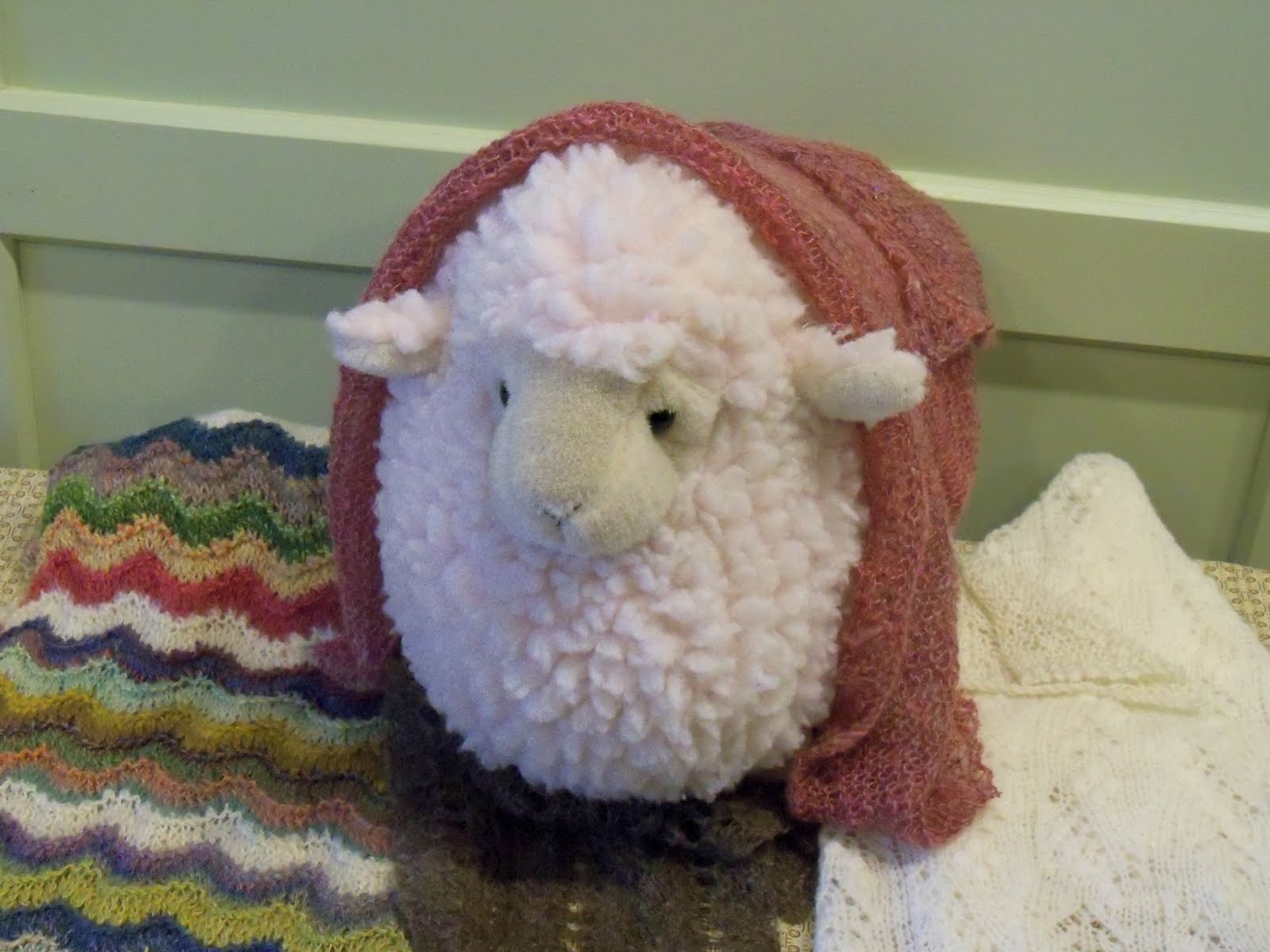
In exchange, we finally allowed Shirley — the stuffed sheep from Michigan that we gave Linda for her birthday in July — to move to her forever home in Maine.

Shirley and Linda at Linda’s display booth (photo by Anna)

The garden is impressive in size and scope, although we didn’t get a chance to see much of it in the rain. One section is the fairy house village. I think this is where these magical creations were headed:

fairy houses in the garden library (photo by Anna)
a fairy castle? tree house? (photo by Anna)
Shirley got a bit chilled (photo by Anna)

When we got home, Geraldine was pissy because we had left her alone all Saturday — but she was somewhat mollified by the four new rag rugs we brought home, courtesy of Linda. Rag rugs are clearly for kitties to sleep on, not for humans to place their feet.

enigmatic cat is enigmatic (photo by Hanna)

Cross-posted at …fly over me, evil angel….

harpy fortnight: not-back-to-school edition

02 Sunday Oct 2011

Posted by Anna Clutterbuck-Cook in linkspam

≈ Leave a comment

Tags

harpyness

steampunk wings by lachwen

Anyone else psyched it’s October? Autumn leaves! Apple sauce! Hot cocoa! Acorn squash!

*cough*cough*

In any event, here’s what we were up to during September over at The Pursuit of Harpyness.

I continued my series on Jessica Yee’s Feminism For Real which several folks have encouragingly told me is thought-provoking and useful to them. This month we covered:

  • 2011-09-06: So What if We Didn’t Call it “Feminism”?!
  • 2011-09-15: Two Poems by D. Cole Ossandon
  • 2011-09-20: Fuck the Glass Ceiling!
  • 2011-09-27: Feminism and Eating Disorders

I also wrote, as usual, on other related and not-so-related topics:

  • 2011-09-08: Help Me Harpies! Alternative Living in the City
  • 2011-09-13: Reader’s Choice: Ms. Magazine’s Best Feminist Nonfiction
  • 2011-09-14: Quick Hit: Yes to Gay YA
  • 2011-09-22: Quick Hit: Julia Serano Blogging Again!
  • 2011-09-29: What’s Missing From Sex Education?

Other Harpies have written about the abortion story arc in Grey’s Anatomy, the anxieties of self-promotion (or self-advocacy), reflections on the Racialicious roundtables on interracial dating, and an ode to a CEO who understands the delicate balancing act of work and family life.

As always, hop on over to Harpyness to join us in the conversation(s).

booknotes: premarital sex in america

30 Friday Sep 2011

Posted by Anna Clutterbuck-Cook in book reviews

≈ 6 Comments

Tags

books, gender and sexuality, sociology

It’s not that I had terribly high expectations for a book titled Premarital Sex in America: How Young Americans Meet, Mate, and Think About Marrying (New York: Oxford University Press, 2011). Because seriously: “premarital”? Particularly when the authors — sociologists Mark Regnerus and Jeremy Uecker — acknowledge in their introduction that by “premarital sex” they actually mean sexual activities undertaken by an “emerging adult” (ages 18-23) who is not married, and that by “young Americans” they actually mean people who are cisgendered and straight. In other words, the very framing of this book-length study by the title alone suggest that what readers will get is a familiar story re-packaged as a ground-breaking assessment of how “contemporary shifts in [sexual] market forces … have dramatically altered how [heterosexual] relationships are conducted” (as the jacket copy claims). As I said: not that I had terribly high expectations going in.

The thing is, this book could have been a successful and insightful analysis of 18-to-23-year-old heterosexual attractions, identities, and practices. With a mixture of quantitative and qualitative analysis (national data collection and 40 in-depth interviews), the authors could have offered new ways of understanding heterosexual sexual practices in young adulthood. They could of provided us with an in-depth exploration of the individual and cultural values, social pressures, and practical concerns that lead to those practices. They could have taken the opportunity to counter moral panic about changing sexual mores with data that show, for example, that college sexual cultures are much more relationship-based than a freewheeling marketplace of hook-ups. In fact, occasionally, Premarital Sex in America seems poised to take on this role of reality-check for media moralizing: marriage doesn’t mean the end of one’s sexual happiness (p. 174: “marriage tends to be good for emotional intimacy as well as sexual intimacy”) and the so-called hook-up culture (p. 106: “casual sex from hook-ups is rare by comparison, suggesting that popular perceptions of the depravity of the ‘hook-up culture’ may be somewhat overstated”). So despite initial trepidation, I was ready to give this book a reasonable change to prove my pre-conceptions wrong.
The problem can be boiled down to two systemic (and, I would argue, inter-related) issues. First, the persistence of the authors in leaning heavily on unexamined assumptions about what is “just a fact” or “inescapable” (they actually use both on p. 22) as well as the use of terms without specific definition — they never indicate, for example, how they determined the sexual orientation of their interviewees (identity? practice? desires?), and later in the book divide respondents into “reds”/conservatives and “blues”/liberals without detailing the criteria by which they sorted these groups (political affiliation? beliefs about sex? upbringing? religious practices?). They “explain” many of the assumptions I found problematic by relying heavily on shakey theories of innate gender difference (see here, here, here, and here) and the perennially popular theory of “sexual economics” in which men are the lustful consumers of sex which women “sell” for relationships. 
I obviously don’t have any first-hand experience in this heterosexual “marketplace” in which we ladies are selling the sex we don’t want for the emotional intimacy men reluctantly give in exchange for booty … but can I just say, on behalf of the many women and men I know who swing that way: EW. Not only is this theory an impoverished way of thinking about human sexuality, it has absolutely no explanatory power for peoples’ motivations to get into sexual relationships. Because if dudes are all about getting it off, hello: you have two hands and lots of (supposedly equally horny) fellow dudes who could help you out. If sex is just sex and the relational context in which it happens is meaningless, then what benefit would men have in seeking out women to be sexually intimate with? Zilch. The authors of this book actually say this at one point, when discussing pornography: “If porn-and-masturbation increasingly satisfies some of the male demand for intercourse, it reduces the value of intercourse, access to which women control” (246). You can only capture and keep a man by bartering sex in exchange for intimacy — if your fella has access to sex all on his ownsome, then tough. In turn, if women aren’t that into sex and want emotional intimacy — why bother with the work of selling sex in exchange for (presumably reluctantly-expressed or faux) emotional intimacy or relational stability when you could meet your emotional needs elsewhere — say with family members or close friends? — and avoid the trouble of putting out?
So basically, you could bother to describe heterosexual interactions in terms of economic transactions, but it’s not going to help you explain why men and women continue to seek each other out for long-term intimate relationships. In fact, the theory of sexual economy these authors put forward argues against hetero sex being at all rational as a way of meeting our emotional and physical needs — unless you happen to want to procreate (something they barely touch on within the text). It’s irritating and unsatisfying and, aside from everything else, makes me wonder why anyone who believes hetero sex works like this enjoys being heterosexual. 
I’d point out that another gaping hole in the theory of sexual economics these authors put forward is that they argue it’s just the way humanity operates … except they fail to take into account queer folks relationships, which are also part of humanity and are an interesting control group for the power of their pet theory. For example: if women barter sex for relational intimacy, then what happens when two women are in a relationship? Why hello, “lesbian bed death” the theory that will never die! Except … plenty of women in same-sex relationships are getting it on together … are we selling each other sex (that we don’t want) in exchange for emotional intimacy (that we already have?). You can see how it starts to get ridiculous damn fast.
Obviously, once someone’s overall framework for analysis fails to impress, the little shit begins to grate on one’s nerves. So for the sake of relieving my spleen I’m going to bullet-point the smaller issues I had with how the data was presented and analyzed:
  • The use of “virgin” to mean “person who hasn’t had vaginal intercourse.” First, I’m skeptical that all of the studies from which the authors drew data defined “virgin” in exactly this way, and second … really book? really? We’re going to reinforce the idea that sex = tab A into slot B one more frickin’ time? Particularly when in the same breath, practically, you go on to talk about “virgins” who’ve engaged in oral and anal sex?
  • Lack of transparency in data. So I realize I’m hypercritical of data because, well, I’m suspicious and I’ve been trained by good friends and colleagues that way. But when you start telling me things like what the average number of sexual partners for X group over X period of years is … and then tell me you’re relying on self-reporting … I’m tempted to throw out the data. Unless you’re going to tell me how you asked study participants to define “sex” and “partner” and whether you asked them to keep track over a period of months or years, or whether this was data based on recollection, etc. 
  • Describing people as “attractive” without qualification. Especially when you’re two men describing your college-age study participants as “attractive 20-year-old women.” Just: EW. But beyond that, the assumption that attractiveness is some sort of objective, measurable quality and that it exists on a static scale rather than being deeply subjective and situational. 
  • Suggesting sexual “mystery” is better than reality in relationships. Again, a symptom of seeing sex as transactional: men, it seems, are most interested in sex they think they desire but must pursue. So the “easier” women are to fuck, the quicker the relationship is to “age” and grow stale. Additional negative points for working in sentences like: “It’s a classic tale that characterizes billions of sexual relationships in human history” (80). Naturalizing something by making it seem historically inevitable = no cookies for you!
  • Failing to define “pornography.” Yeah, it becomes clear that they (like so many other critics) mean commercially-produced videos and photographs. But that’s no excuse for laziness in reporting. Since they seem to have assumed everyone was on the same page about what pornography was, they accepted the reporting on their interviewees concerning the effect “porn” had on their relationships and sexual desires. A much more interesting conversation could have been had if they had probed a little more deeply into their subjects engagement with erotic materials on a broader scale (I bet at least some of the young women they interviewed are writers and readers of slash fan-fiction, for example). Instead, we just got the tired scare story about how mainstream video pornography is creating unrealistic expectations in men concerning women’s bodies and sexuality.
  • Failing to delve beyond the most obvious analysis of their data. This happens repeatedly, so I’m just going to give one example. In a section on negotiating unwanted sexual practices, the authors report that the top “unwanted sexual request made by men of women is for anal sex” (the top unwanted request by women of men is for cunnilingus). It becomes clear that what they mean is men are requesting penis-in-anus sex, though they don’t articulate this. No mention is made whether they asked the men (or women) about penetrative anal sex to stimulate the prostate, which is something I don’t think they count as “sex” because they suggest that “there is no biological basis for preferring anal sex to vaginal sex” … a statement that would only make sense if they were thinking about stimulation of a penis. They go on to argue that men are only asking to perform anal sex because they’ve learned it’s part of the sexual script from watching pornographic films. They also accept without further analysis women’s self-reporting that they just don’t like anal sex, full stop, without exploring in what contexts it was tried (i.e. did the partners have lube? did they prep adequately? was there coercion? did they try a second time, with better results?). Precision counts people!
  • “Intercourse is more satisfying than masturbation” (157). Written in a section headed “Semen: An Antidepressant?” So … yeah. I just want to point out — AGAIN — that reducing sex to penis-in-vagina intercourse is a big problem in this book. I also think there is something deeply troubling about the idea that solitary sexual activity is and unsatisfactory substitute for relational sex. Not because it isn’t for many people (though I’m going to go out on a limb and say that for some it likely is) but because masturbation isn’t a substitute activity. It’s a parallel or complementary sexual activity. We do it, and enjoy it. We get different things out of it than we get out of partnered sex. Many women in The Hite Report and Our Bodies, Ourselves, among other texts, report very distinct types of orgasms (both pleasurable) from self-stimulation and partnered stimulation. 
  • Characterizing a relationship that ends as a relationship that “failed.” Relationships can be formed for many reasons, and as long as they were mutually-satisfying for all the people involved for the duration of the relationship, there’s no reason why the fact the relationship ended means the relationship failed. It’s true that many relationships do come to an end because one member or both stops being satisfied. But “end” doesn’t automatically mean “fail.”
  • Emotional health is a woman thing. Again: seriously? Yeah … they’re serious. Not only do they bring up the correlation between abortion and depression (without clarifying it’s a correlation and not necessarily causation), as well as a throw-away mention of the correlation between same-sex activity and poor mental health outcomes, but they out-and-out argue that women’s emotional health is the only story that matters: “the central story about sex and emotional health is how powerful the empirical association is for women–and how weak it is among men” (138). They explain this using the theory of “natural” gender differences which, since the data to support this theory is shite, isn’t really an explanation at all. 

By way of a conclusion, Renerus and Uecker offer to dispel “ten myths about sex and relationships” for which the evidence “just isn’t there” (242). Some of these are fairly value-neutral — for example the first one is the myth that “long-term exclusivity is a fiction,” when in fact only about 12-13% of American adults followed in a longitudinal study reported cheating on their partners. But others are off-the-wall wacky, such as the assertion that “to call the sexual double standard wrong is a little like asserting that rainy days are wrong” (243), or their suggestion that women control men’s sexual impulses by playing hard to get: “If the average price for sex should rise, men’s sexual behavior could become subject to more constraints” (245). Their sexual economics lens for viewing human relationships, oddly enough, leads them to espouse a deeply conservative and moralizing tone when it comes to suggesting how we can effect change in sexual interactions.

Finally, as I argued above, the theory of a (hetero)sexual economy that pervades the analysis in this book is deceptively simplistic in its power to “explain” human interactions. Instead, it could more aptly be understood as a compelling set of metaphors for a specific type of sexual scene — say a fraternity party or a singles bar. Because, as reviewer Evan Hughes notes, “shaky when you examine it closely, the sexual economics theory in its broad outline seems almost trivially true: it describes what we know but does little to explain what we do not understand.” Because the economy is so compelling as a metaphor (at least to Regnerus and Uecker), they fail to ask any new questions of their material, instead regurgitating outdated gender stereotypes in place of fresh insight.

Cross-posted at The Pursuit of Harpyness.

← Older posts
Newer posts →
"the past is a wild party; check your preconceptions at the door." ~ Emma Donoghue

Recent Posts

  • medical update 11.11.22
  • medical update 6.4.22
  • medical update 1.16.2022
  • medical update 10.13.2021
  • medical update 8.17.2021

Archives

Categories

Creative Commons License

This work by Anna J. Clutterbuck-Cook is licensed under a Creative Commons Attribution 3.0 Unported License

Meta

  • Register
  • Log in
  • Entries feed
  • Comments feed
  • WordPress.com

Create a free website or blog at WordPress.com.

  • Follow Following
    • the feminist librarian
    • Join 36 other followers
    • Already have a WordPress.com account? Log in now.
    • the feminist librarian
    • Customize
    • Follow Following
    • Sign up
    • Log in
    • Report this content
    • View site in Reader
    • Manage subscriptions
    • Collapse this bar